This piece originally ran on the Obsessed by Kevin Fallon Substack. Subscribe for even more coverage.
The word “catharsis” is used often in the movie Run Amok, which just debuted at the Sundance Film Festival.
The film uses it in a meta sense, describing one character’s complicated goal in the movie, but also uses it so incessantly as to somewhat hypnotize the audience: What you’re watching may be difficult, confusing, or strange, but we are telling that you that it is going to make you feel an emotional relief…just in case you were doubting it based on what you were watching.
What you were watching—or at least what several thousand Sundance attendees and I on Saturday were watching—was a pseudo-musical comedy about a school shooting.
Run Amok is just about as ambitious and, often, as baffling as it sounds.
Given the news not just this past horrifying weekend, but over the last years (and years) of mass shootings, it’s a timely topic. And, in its huge tonal big swings—musical comedy about a school shooting—Run Amok is certainly confrontational.
That might explain the understandably polarized response to the debut screenings: a standing ovation by a large swath of the audience, mixed with a shell-shocked, head-shaking, befuddled viewers—several people I talked to even said they were offended—wondering: What the hell was that?
The plot description of Run Amok on Sundance’s official schedule seemed purposefully vague, referencing only that it “wades into the thorny aftermath of a school tragedy.”
This is 2026 America; the assumption is that the tragedy would be a mass shooting. Perhaps the filmmakers wanted to keep that detail close to the vest, lest it scare off potential viewers, and instead promote the film’s unexpected “tonal miracles.” (I wish I had recorded the intro to the movie, because I swear there was a repeated insistence that we were all about to have a fun time.)
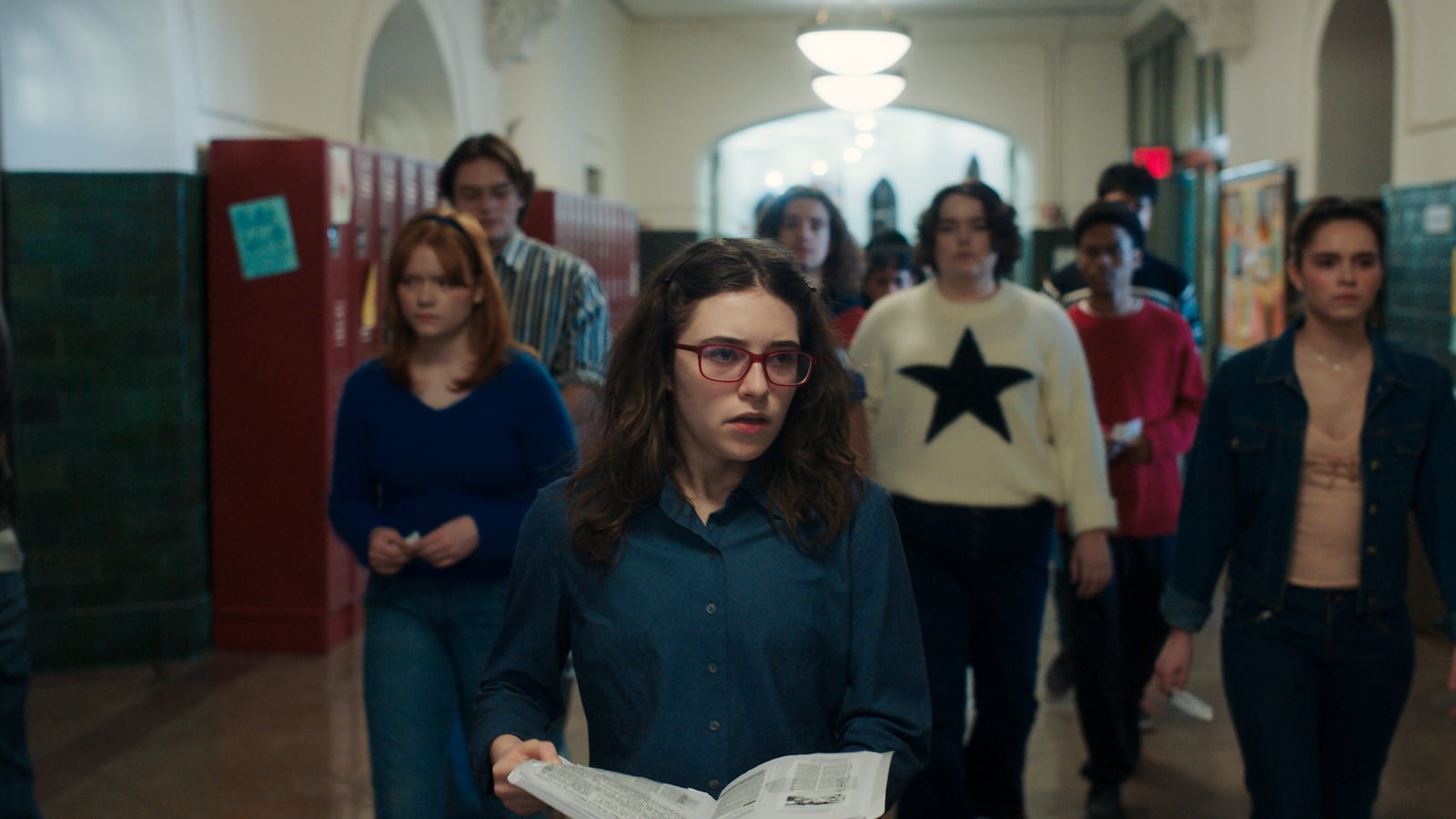
The film introduces Meg, played Alyssa Marvin, delivering a, regardless of how one feels about the film, sensational, subtle, and incessantly captivating performance. Meg is a student at a school that, 10 years prior, suffered a mass shooting. Devastatingly, Meg’s mother, who was an art teacher at the school, was one of the fatalities.
A commemoration is being planned for the anniversary, and Meg, somewhat of an outcast but a precociously inquisitive student and talented harpist, like her mother, wants to participate.
The goal to heal the community and bring about—here’s that word—catharsis is complicated by Meg’s intense personal connection to the event, but also by the culture’s escalating gun and shooting paranoia.
Not only are teachers armed with guns that shoot rubber bullets, which they brandish to patrol like SWAT members when there’s an active shooter drill, but the PTA insists on arming volunteer parents as well. Guns are going off constantly in the school, in reaction to almost Stooge-like hijinks that are played for laughs in the film, and all the more harrowing for it.
Meg decides her contribution to the commemoration will be an original musical, in which she recreates the shooter’s six-minute killing spree, with her mother as the central character, all set to song and dance.
You don’t so much as get whiplash from the tonal swings as your head spins around like a horrified owl. The heightened comedy of Meg’s ridiculous art piece is rivaled by a jaw-dropping reenactment of the murders and the emotional breakdowns of a still-traumatized family.
Sundance, with its celebration of indie film and renegade artists, is arguably the most hospitable ground for a movie as staggeringly wild as Run Amok. As The Wrap wrote in its review, the “mordantly offbeat teen comedy pushes limits in proud festival fashion.”
Still, and especially given the subject matter, audience members do have those limits.
“Run Amok - Um wow (derogatory). Rushmore + Theater Camp-esque indie comedy but about school shootings,” Alex Billington of FirstShowing.net posted. “Incredibly ambitious concept for a film but boy it does not work... Feels so forced & performative with extremely surface level commentary. Nope this def ain’t it.”
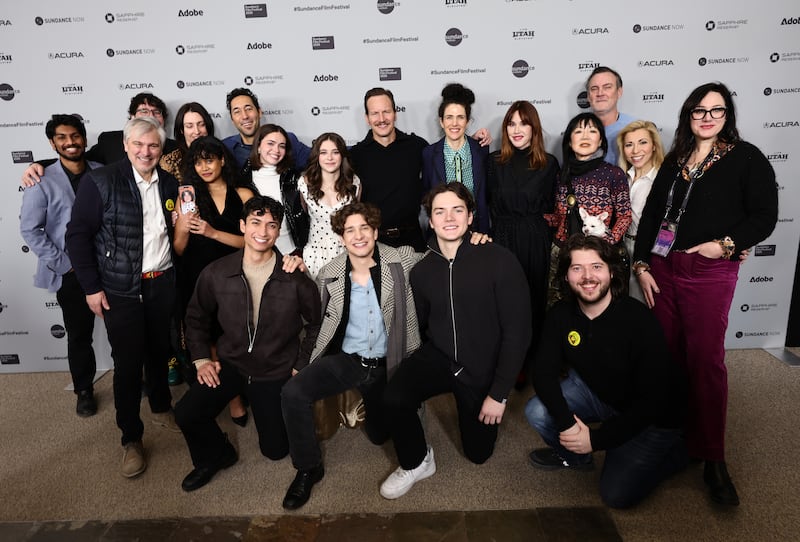
The post-screening Q&A included a lot of discussion of drama therapy, as well as the tonal shock of the massacre creation with the young actors.
Patrick Wilson, who co-stars and produces the film, raised an important point about how this is a time when the teen generation being affected by the epidemic of shootings should be sharing their perspective. He pointed out how different this moment is from when his co-star, Molly Ringwald, was making coming-of-age movies; the very real current fear for a young person is not getting to come of age.
It’s noble and provocative, arguably, to accost an audience with as much fun as Run Amok attempts to have. It’s also, inarguably, deeply upsetting, especially right now, to spend two hours watching a musical comedy about a school shooting where guns are constantly going off in hallways.
It’s complicated. I don’t know if that’s good or bad. The most generous I can be is to say that maybe that is the point.