Welcome to UNMISSABLE, the Daily Beast’s Obsessed’s guide to the one thing you need to watch today. Whether it’s the most gripping streaming show, the most hilarious comedy, the movie which you’ll never forget, or the deliciously catty reality TV meltdown, we bring you the real must-see of the day—every day. Sign up for our daily UNMISSABLE newsletter now.
It’s tough for a comedy to tackle adulthood with genuine humor and heart, and tougher still for it to maintain its pitch-perfect tone over the course of multiple seasons.
The Four Seasons is that unique creation, its sophomore outing an even more charming look at the ups and downs of middle age. With Colman Domingo and Tina Fey at the forefront of an excellent cast whose expert chemistry is stronger than before, it’s a TV winner about, and for, grown-ups of an older (if not yet over-the-hill) age.
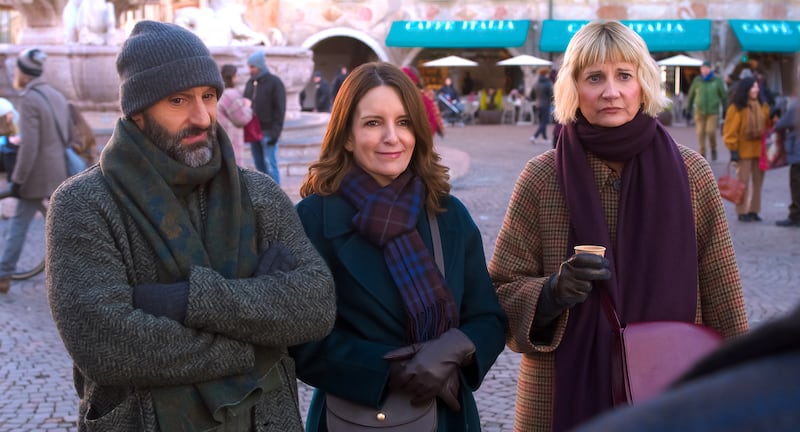
Once again divided into four seasons (and the joint vacations taken by its characters), The Four Seasons (May 28 on Netflix) picks up in spring in the aftermath of last year’s shocking death of Nick (Steve Carell), whose departure looms large over their get-together in upstate New York.
The plan, concocted by Jack (Will Forte), is to spread Nick’s ashes at the top of the mountain he used to visit as a kid. However, that’s easier said than done, since impediments quickly mount, including the unexpected presence of a Brownies troupe and an escaped convict who forces them to shelter in place in their remote motel.
No one is happy about this situation, both because of lingering grief and because this locale is less than cozy. In one of his many top-notch one-liners, Danny (Domingo) describes it as “the town that Tracy Chapman sped away from.”
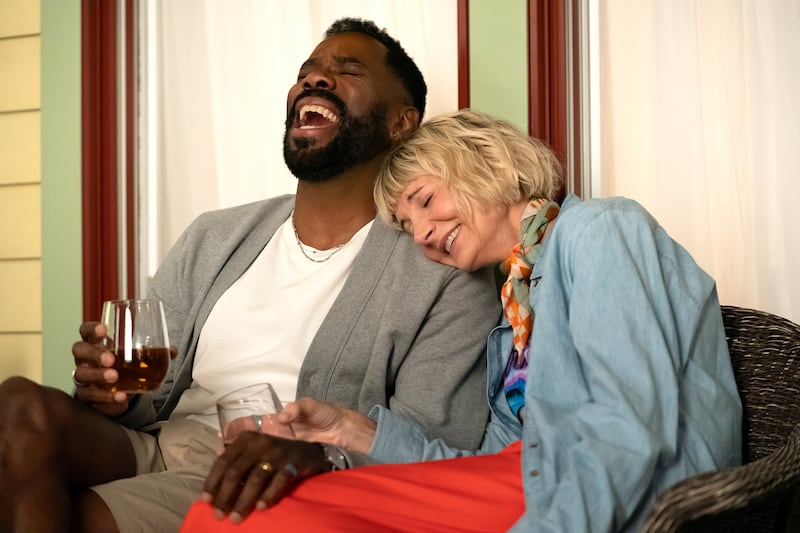
This time around, Domingo is the funniest member of The Four Seasons’ crew by a considerable margin, thanks to the generosity of his writers (who grant him the best quips) and to a storyline which provides ample opportunities for witty fretting. Danny believes that his Italian spouse, Claude (Marco Calvani), never wanted children, while Claude thinks it was Danny who had no interest in having kids, and that disagreement sparks an extended debate about their hopes and dreams—in terms of offspring and, to a greater degree, their vision for their future.
The Four Seasons is adept at mining such big picture concerns for laughs, as evidenced by Anne’s (Kerri Kenney-Silver) frustration with the group inviting Ginny (Erika Henningsen)—the girlfriend of Anne’s deceased ex-husband Nick—on their trips. Compounding this situation is Ginny’s about-to-pop pregnancy, and the discord between Anne and Ginny over the money Nick left the former.
Tensions are high between the two, and yet, as is regularly the case with the series (created by Fey, Lang Fisher, and Tracey Wigfield, and inspired by Alan Alda’s 1981 film of the same name), things develop in an unexpected fashion, with new layers revealed about the duo’s anger, anxiety, and need.
Rounding out the show’s primary cast are Forte’s Jack and Fey’s Kate, whose cheeriness is laced with undercurrents of unhappiness. The source of their malaise is difficult to pinpoint at the start of The Four Seasons, for both them and viewers. But Fey and Forte’s rapport is so comfortable and finely tuned that their every scene together is a joy, regardless of whether they’re trying to have sex in a collapsing bed or bickering about their growing alienation from each other. Through them, the series pointedly grapples with the means by which couples uphold (and fortify) long-term relationships, and Fey and Forte’s natural and amusing back-and-forths make even their lowest and testiest moments a pleasure.
The Four Seasons’ jokes are aimed at the over-40 crowd, and they’re consistently on target, be it Jack admitting that he preemptively apologizes to Kate for every supposed infraction, including “me cheating in a dream,” or Kate confessing that she only Googles her old boyfriend because he’s now ugly and she likes that.
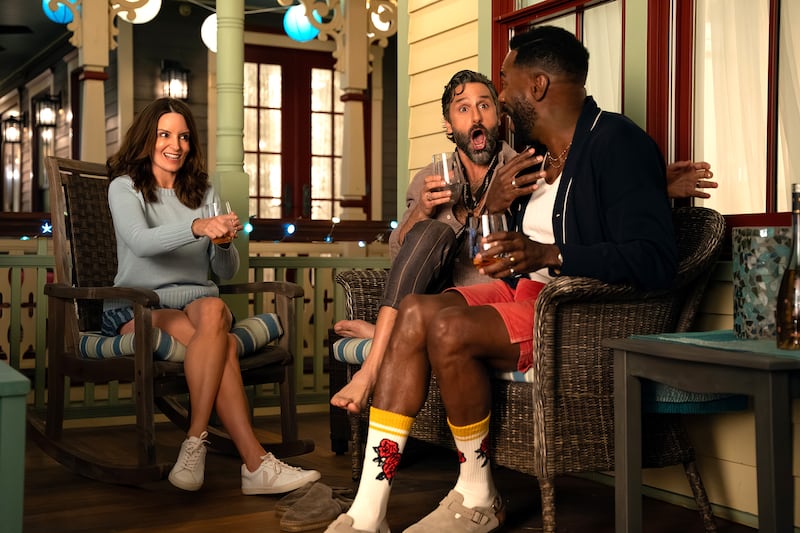
Choice bon mots abound, with Domingo the prime beneficiary, whether his Danny is chiding Kate for being “violent,” making him talk about “guy stuff” like Andor, or arguing that real couples have nothing in common. It just feels that way when they’re first dating because both participants want sex.
The desire to be—or at least feel—young courses throughout The Four Seasons, highlighted by a summer vacation at the Jersey Shore, where bumper car rides, boardwalk games, and stuffed animal prizes allow everyone to tap into their yesteryear selves.
Far from a maudlin nostalgia-fest, though, Fey, Fisher, and Wigfield’s series instead maturely recognizes and faces the unavoidable and complicated doubts, regrets, and terrors of growing old—and the intricacies of love, marriage, parenthood, friendship, and being alone and with others—while simultaneously mining those topics for goofy comedy.

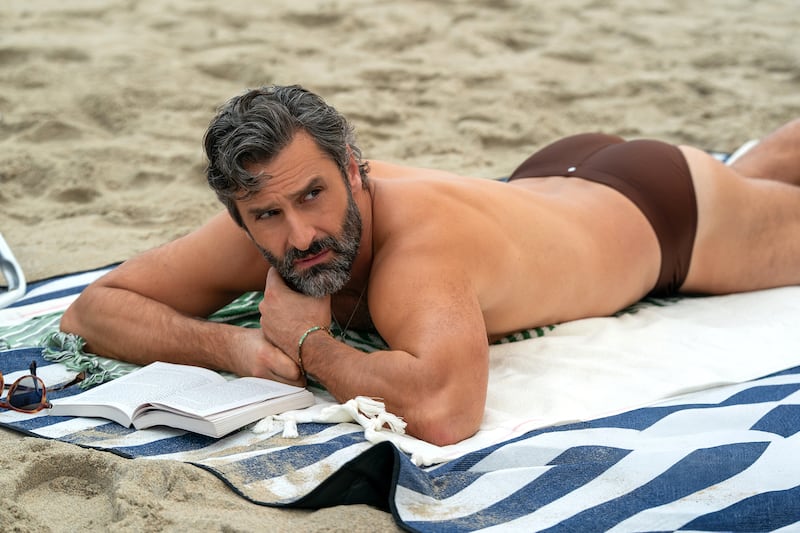
From Forte’s hilarious embodiment of a corny fiftysomething dad whose upbeat façade masks sadness and rage, to Kenney-Silver’s likable turn as a mother and widow at a personal, romantic, and sexual crossroads, The Four Seasons thrives thanks to its stars, and when it introduces new players into its mix—such as Mark Brett (Steven Pasquale), who becomes Jack’s beach BFF—its mood never falters.
By confronting death, infirmity, and infidelity, the show boasts an authenticity that’s almost as refreshing as its honesty about the challenges people face once their kids grow up and move out, their careers reach their pinnacles, and the road ahead no longer looks longer than the road already traversed.
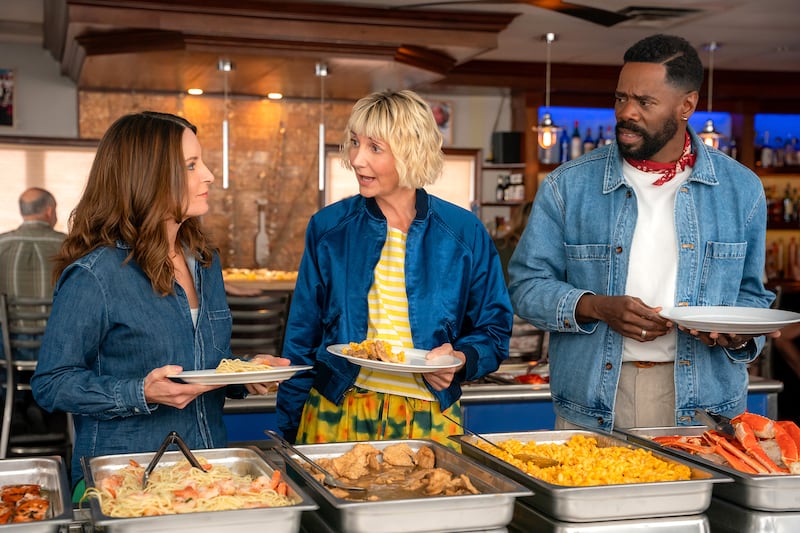
There are occasional shades of 30 Rock in Kate’s offhand comments (as when she riffs randomly about the size of Anya Taylor-Joy’s eyes in The Queen’s Gambit). The Four Seasons, however, is a more earnest small-screen affair, and its greatest strength is its ability to make one care about and want to spend time with each of its protagonists.
No matter their marital or interpersonal issues, they’re all three-dimensional characters capable of being moving one moment and uproarious the next, and that balance holds true to the conclusion of this follow-up run. That the action is also peppered with a few welcome cameos merely adds to the convivial vibe, as does the show’s foundational belief that truthfulness, compassion, and communication are the bedrocks of any lasting relationship.
Culminating with just the right measure of open-ended promise, The Four Seasons remains so captivating that it’s a shame it only lasts eight episodes. Here’s hoping, then, that its return proves as inevitable as the changing of the seasons.