0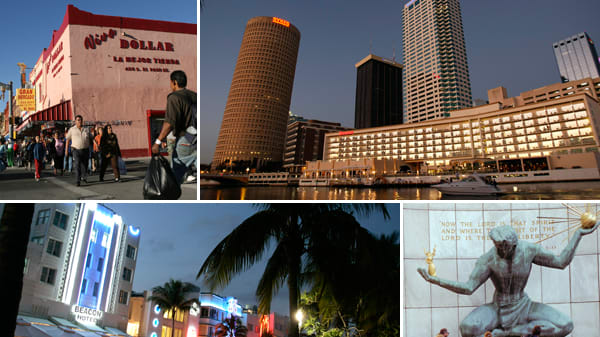
The 30 Brokest Cities in America, from Detroit to Miami
The Daily Beast finds the 30 poorest cities—from Detroit to Miami—in the country.


#30, Las Vegas, Nev.
AP Photo

#29, Orlando, Fla.
Phelan M. Ebenhack / AP Photo

#28, Miami, Fla.
AP Photo

#27, Jacksonville, Fla.
AP Photo

#26, Flint, Mich.
Paul Sancya / AP Photo

#25, Savannah, Ga.
David Goldman / AP Photo

#24, Ft. Myers, Fla.
AP Photo

#23, Birmingham, Ala.
Dennis Lathem / AP Photo

#22, Charleston, S.C.
AP Photo

#21, Tyler, Texas
AP Photo

#20, El Paso, Texas
AP Photo

#19, Montgomery, Ala.
Dave Martin / AP Photo

#18, Detroit, Mich.
AP Photo

#17, Wilmington, N.C.
Logan Mock-Bunting / AP Photo

#16, Greensboro, N.C.
Lynn Hey / AP Photo

#15, Reno, Nev.
AP Photo

#14, Macon, Ga.
Moses Robinson

#13, Waco, Texas
Ronald Martinez / AP Photo

#12, Yakima, Wash.
Shannon Dininny / AP Photo

#11, Toledo, Ohio
Paul Sancya / AP Photo

#10, Augusta, Ga.
Rob Carr / AP Photo

#9, Chico, Calif.
AP Photo

#8, Tampa, Fla.
AP Photo

#7, Mobile, Ala.
AP Photo

#6, Bakersfield, Calif.
AP Photo

#5, Medford, Ore.
Jeff Barnard / AP Photo

#4, Greenville, N.C.
AP Photo

#3, Beaumont, Texas
Pat Sullivan / AP Photo

#2, Harlingen, Texas
AP Photo
