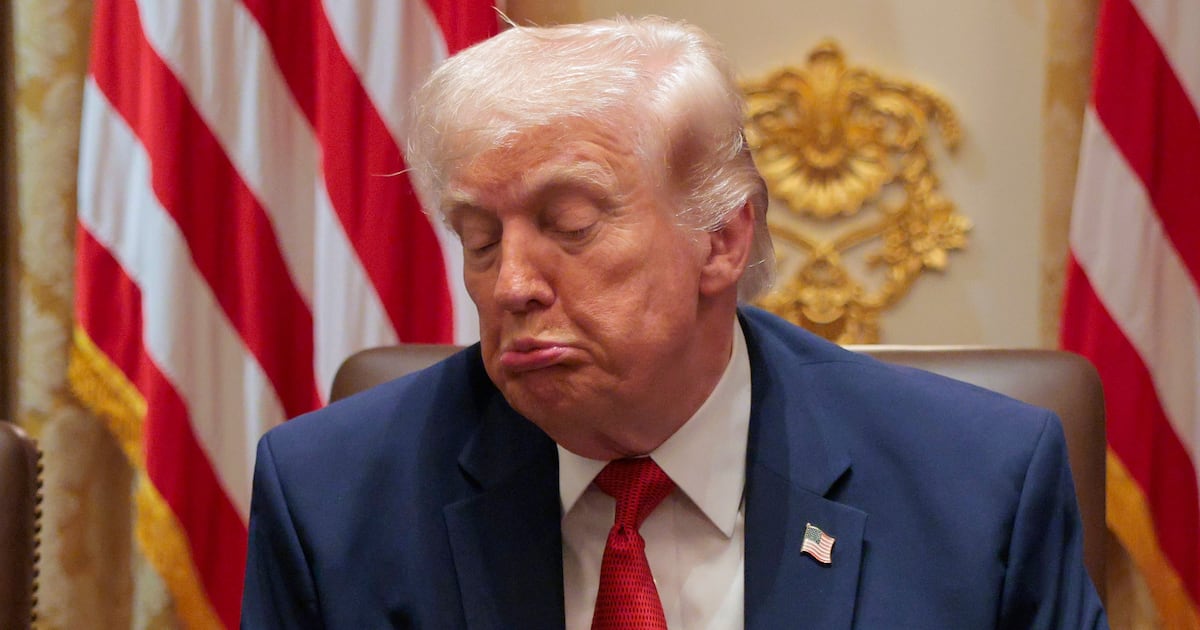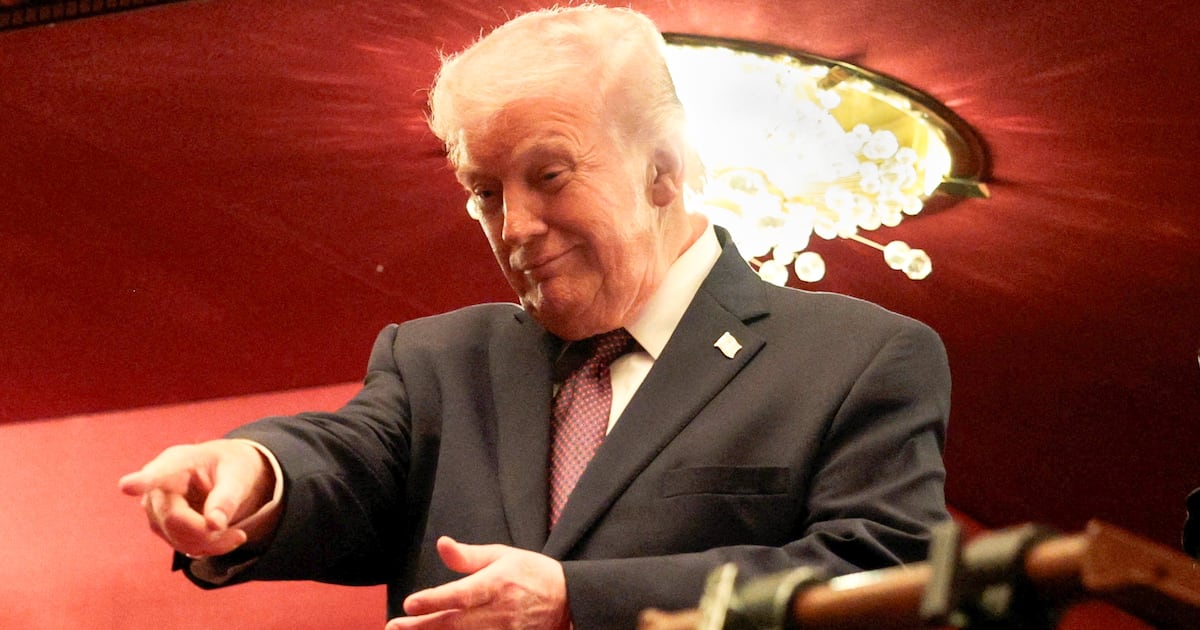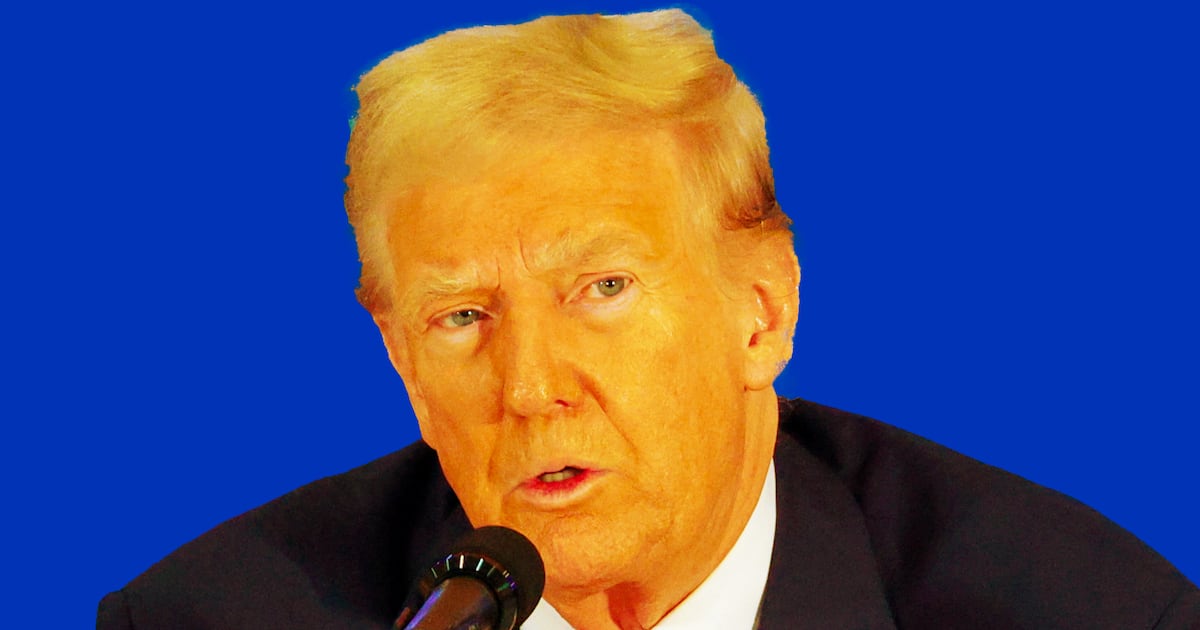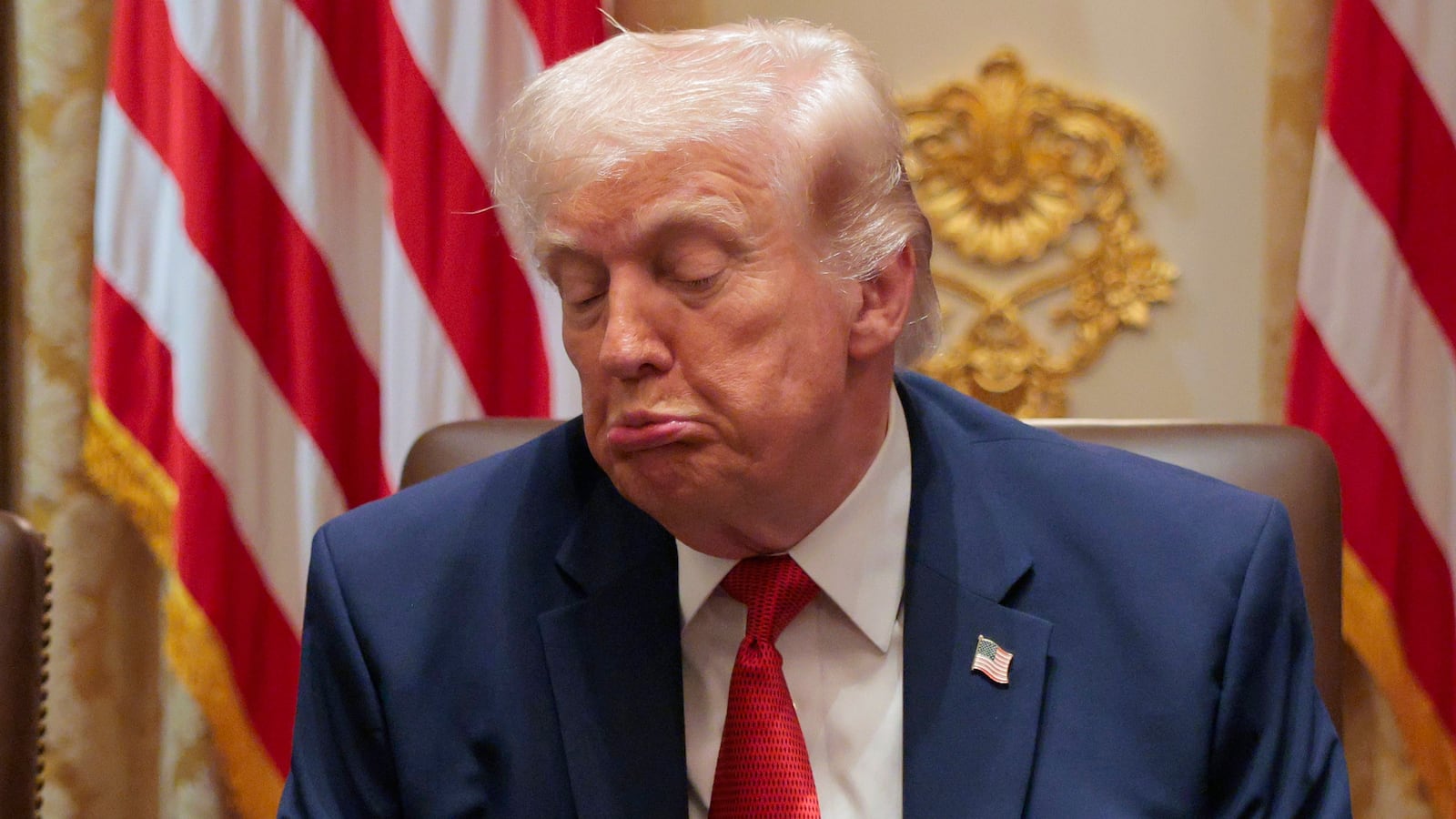
Major U.S. allies have dropped alarming clues about what lies ahead as President Donald Trump prepares to deliver a prime-time address on the situation in Iran.
Trump will speak to the nation at 9 p.m. Eastern, and the White House has offered few details on what he might say.

But an ominous clue came as British Prime Minister Sir Keir Starmer spoke from Downing Street on Wednesday morning. Starmer, the target of frequent attacks from Trump, reiterated his stance that the U.K. will not be drawn into Trump’s war.
He then moved on to the economy. In a sign of things to come, he said, “I do have to level with people, this will not be easy.”
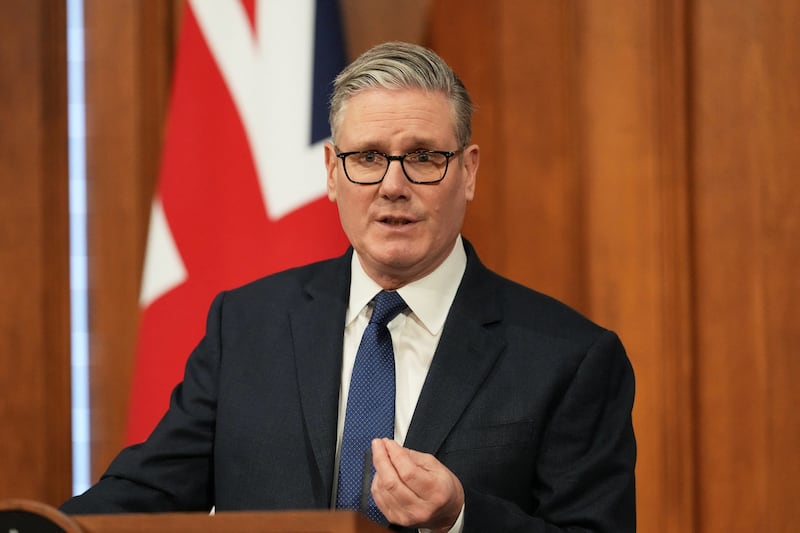
And, just minutes before The Telegraph published an exclusive interview with Trump in which he said he was considering pulling out of NATO, Starmer all but confirmed the beginning of the end of the “special relationship” between the U.S. and the U.K..
He said it is “increasingly clear” that the U.K.’s “long-term national interest requires closer partnership with our allies in Europe and with the European Union.”
Australia’s Prime Minister Anthony Albanese also addressed his nation on Wednesday morning. Australians, like Brits, have been affected by the energy crisis created by the blockage of the Strait of Hormuz, the narrow shipping lane that connects the Gulf and its energy sources to the rest of the world.
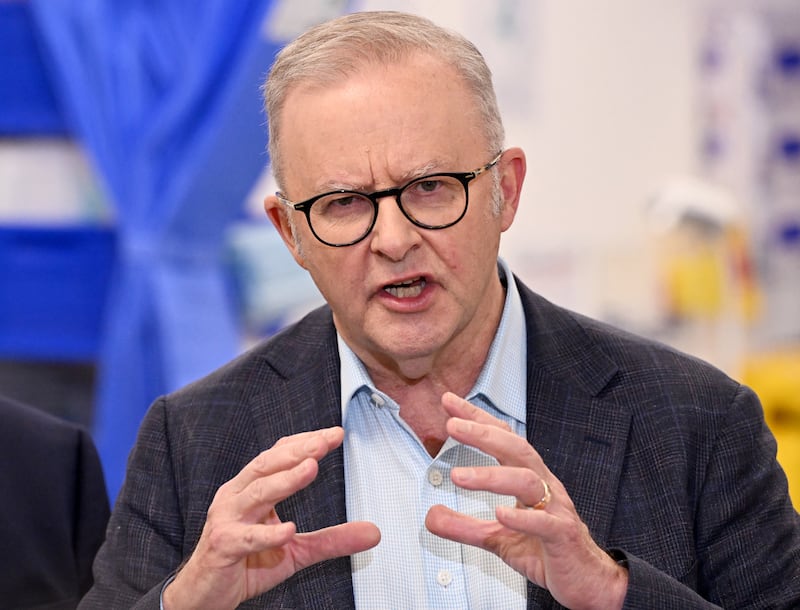
He appealed to Australians to “do their bit” and not use more fuel than necessary, and, if possible, switch to using public transport.
The messaging from Starmer and Albanese reads as if they are trying to prepare their nations for a deepening energy crisis, creating a sense of foreboding ahead of Trump’s address later on Wednesday.
Oil prices fell 3 percent to just above $100 a barrel after the 79-year-old announced on Tuesday night that an end to the war was nigh. He said the U.S. was preparing to leave Iran “very soon,” and that military action could end in two or three weeks.
However, it shot back up to $101 with the announcement of the mystery address.
Then on Wednesday morning, Trump claimed on Truth Social that Iran’s “new regime president” had asked for a ceasefire.
He claimed that the country’s new leader was “much less Radicalized and far more intelligent than his predecessors” and “has just asked the United States of America for a CEASEFIRE!” It’s not clear who he was referring to, as Iran still has the same president as it did before, Masoud Pezeshkian.
Trump added: “We will consider when Hormuz Strait is open, free, and clear. Until then, we are blasting Iran into oblivion or, as they say, back to the Stone Ages!!! President DJT”
Trump has developed a habit of breaking big developments on the war just before the markets open. The last instance of this not-so-cunning ploy came on Monday, when he posted at 7:30 a.m. about “serious discussions” over a peace agreement.