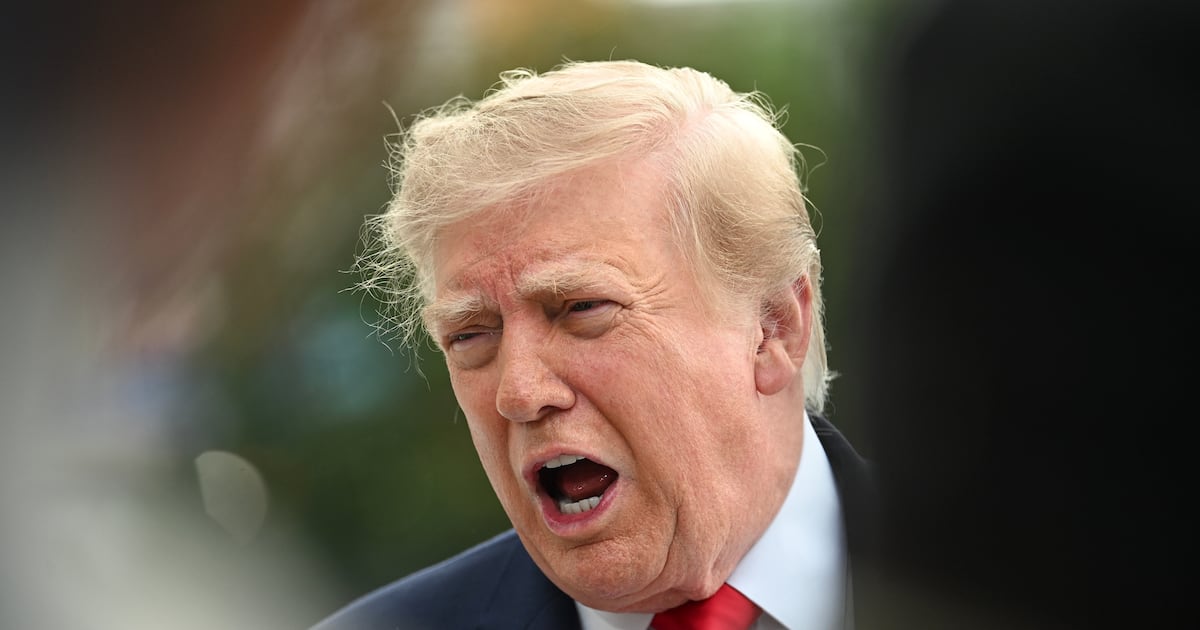

Americans are losing faith in their retirement plans under President Donald Trump, 79.
The Employee Benefit Research Institute has carried out its Retirement Confidence Survey since 1990, but this year’s numbers, released on Tuesday, suggest people are feeling worse about the future than they have in years gone by.
After this decade’s high of 72 percent in 2021, this year’s results were down 11 points to 61 percent, six points lower than last year, at 67 percent.


It was the lowest result in nearly 10 years. The Wall Street Journal reported this was due primarily to concerns about the health of entitlement programs and rising costs.
The White House, menwhile, told the Daily Beast that no president has done more for folks’ retirement than Trump.
The institute’s director of wealth benefits research, Craig Copeland, said that inflation was a major worry for respondents. The war in Iran, however, is not reflected in the data because responses were gathered in January.
Retirees felt better about their prospects than those still in the workforce, with 73 percent saying they were either somewhat or very confident about their financial situation, down from 78 percent the year before.
Both groups expressed concerns about Medicare and Social Security benefits.
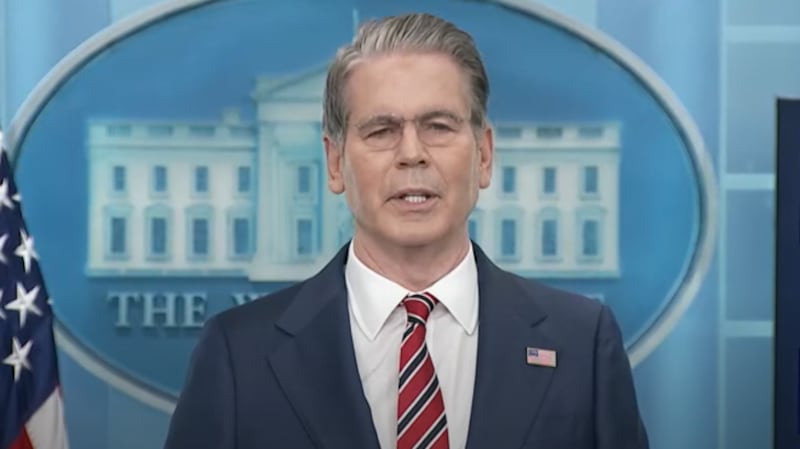
Meanwhile, U.S. Treasury Secretary Scott Bessent has tried to allay fears about the war, telling the BBC last week that “I wonder what the hit to global GDP would be if a nuclear weapon hit London... I am saying that I am less concerned about short-term forecasts, for long-term security.”
He added that a “small bit of economic pain” was worth it for long-term international security.
It comes as the University of Michigan Consumer Sentiment survey hit a new low in its 70-plus-year history, at 47.6 percent, according to the Journal. This data set does include the war.
The Journal reported at the time of the survey’s mid-April release that it reflected consumer concern about the war’s impact.
The survey’s director, Joanne Hsu, said, “Many consumers blame the Iran conflict for unfavorable changes to the economy.”
Those numbers were gathered prior to the ceasefire, which is holding. If it can be maintained and a peace deal reached, Hsu thinks, “Economic expectations will likely improve after consumers gain confidence that the supply disruptions stemming from the Iran conflict have ended and gas prices have moderated.”
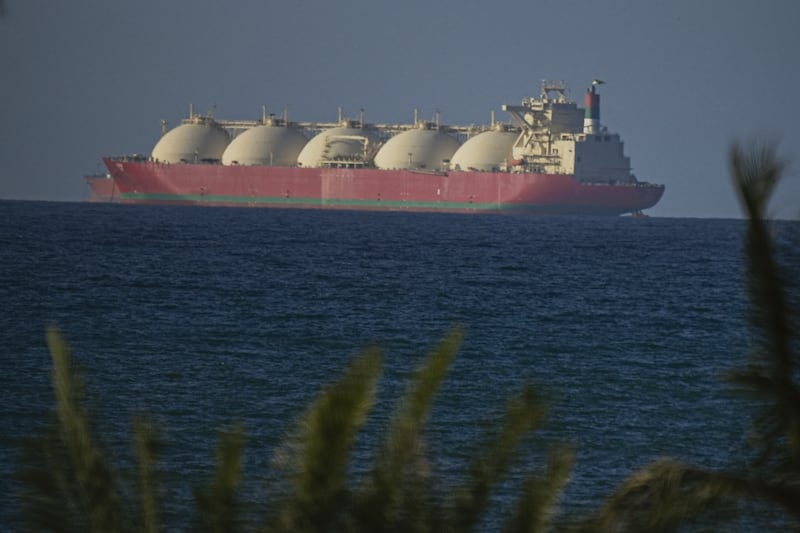
The war in Iran has had ripple effects across the global economy, with gas prices spiking due to the disruption of oil flows through the Strait of Hormuz and uncertainty as hopes for a peace deal remain in the balance.
Even before the war, Americans were feeling the pinch due to the cost of living, with key areas such as groceries staying high despite the president’s constant promises to make ordinary people better off.
In a statement to the Daily Beast, White House spokesman Kush Desai said: “From creating Trump Accounts to expanding retirement investment options to enhancing federal savings programs to slashing taxes on Social Security to presiding over multiple stock market all-time highs, no president has done more in modern history to help Americans enjoy retirement than President Trump.”