

Supreme Court Justice Samuel Alito has reportedly made up to $2.9 million from fossil fuel interests as he prepares to vote on whether oil companies should pay for the impacts of climate change.
A new analysis of financial disclosures shows that even at the lowest range of estimates, the Supreme Court justice earned nearly $400,000 from oil and gas interests between 2005 and 2024.
The review comes as the high court prepares for a case that will decide how much power states have in holding oil companies accountable for the effects of climate change.
Oil companies Suncor Energy and Exxon are seeking a ruling that would shield fossil fuel producers from climate-related lawsuits brought by state and local governments.
While Supreme Court ethics rules require justices to recuse themselves from cases involving companies they hold stock in, Alito will not be required to recuse himself because his holdings do not specifically include Suncor and Exxon.
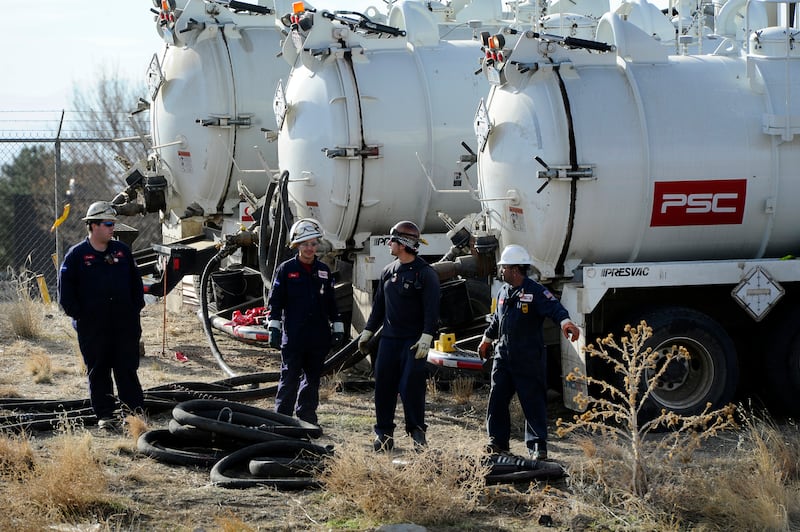
Lisa Graves, co-founder of Court Accountability who authored the new analysis, questions whether Alito will be able to remain impartial on this case and others involving fossil fuel.
“You might have real appreciation for how that industry has helped make it possible for you to perhaps buy a second home on the water, or live a [certain] lifestyle,” she said.
The Trump administration has voiced its support for the oil companies.

Alito has previously voted in favor of fossil fuel interests. He recently joined the majority in overturning the Chevron doctrine, which makes it harder for agencies to defend environmental regulations. In 2007, he argued greenhouse gas emissions could not be regulated under the Clean Air Act in Massachusetts v Environmental Protection Agency.
Alito’s net worth grew significantly during his time on the Court, from around $1.1 million in 2005 to somewhere between $3.4 million and $8.4 million by 2024. A chunk of that growth—between $390,000 and $2.9 million—came specifically from oil and gas holdings, according to the watchdog Court Accountability. Most of that money traces back to a mineral interest his wife, Martha-Ann, holds on a property in Grady County, Oklahoma.

“A reasonable person would think if you’re invested in the industry that could benefit from the outcome of a lawsuit, then you could personally stand to benefit from the outcome, even if you don’t hold the stock in the specific company that happens to be the named plaintiff,” Graves told The Guardian.
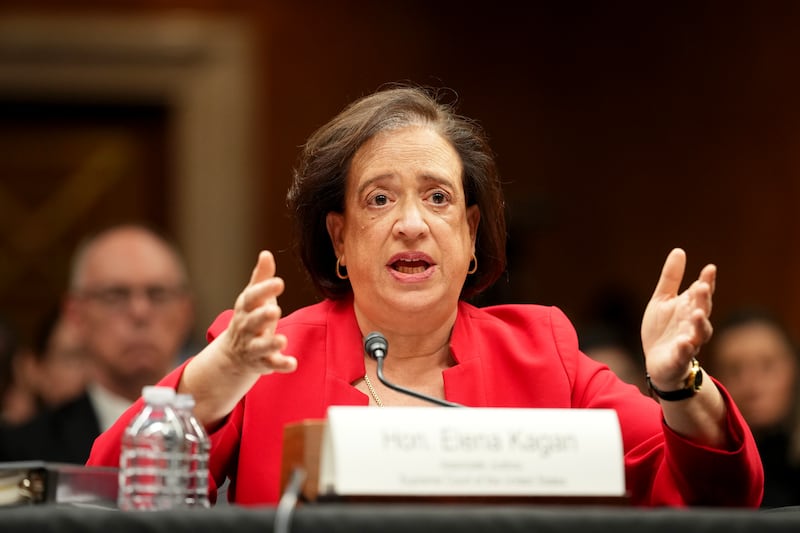
Alito is not the only judge being called on to recuse himself. Conservative advocates have taken issue with Justice Elena Kagan over a foreword she authored for a science reference manual that contained a chapter on climate change. Kagan, like Alito, has made no signs she will excuse herself.
The nation’s top court will begin hearing arguments on October 5.