
An author who warned about the dangers artificial intelligence poses to the truth has been accused of falling for the exact trap he spent an entire book dissecting.
Steven Rosenbaum’s new book, The Future of Truth, bills itself as an examination of how A.I. is reshaping reality, trust, and public discourse. Instead, the book includes fabricated and misattributed quotes seemingly produced by the same kinds of chatbot tools it warns readers about, according to a report from The New York Times.
Rosenbaum acknowledged to the outlet that the book contained “a handful of improperly attributed or synthetic quotes” and said he had opened an internal investigation into how they made it into the final manuscript.
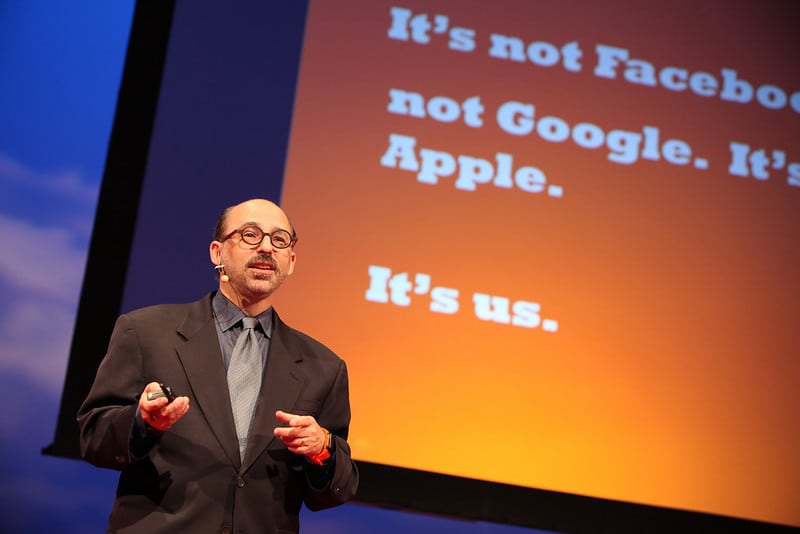
“As I disclosed in the book’s acknowledgments, I used A.I. tools ChatGPT and Claude during the research, writing and editing process,” Rosenbaum said in a statement to the outlet. “That does not excuse these errors, of which I take full responsibility.”
He added that future editions would be corrected after a full review of the text.
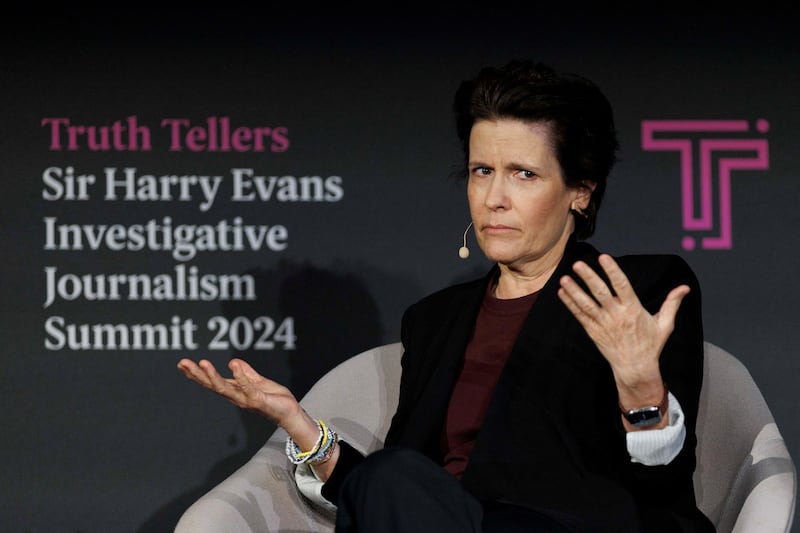
One chapter focused on the dangers of A.I.-generated falsehoods included a quote attributed to tech journalist Kara Swisher that she says she never uttered, according to the Times.
“The most sophisticated A.I. language model is like a mirror,” the book claimed Swisher said. “It reflects our own morality back at us, polished and articulate, but ultimately empty behind the surface.”
Swisher flatly denied ever saying it.
“Never said that,” she told the Times, before joking that the fabricated quote made her sound unbearably pretentious. “I also sound like I have a stick up my butt, according to ChatGPT.”
Another section examining fabricated videos and social media misinformation attributed multiple quotes to neuroscientist Lisa Feldman Barrett and her book How Emotions Are Made: The Secret Life of the Brain.
One supposed quote read: “Emotions aren’t just reactions to truth—they’re how we construct truth.”
Barrett told the Times the quotes “don’t appear in the book and they are also wrong,” adding they were statements she “would never say.”
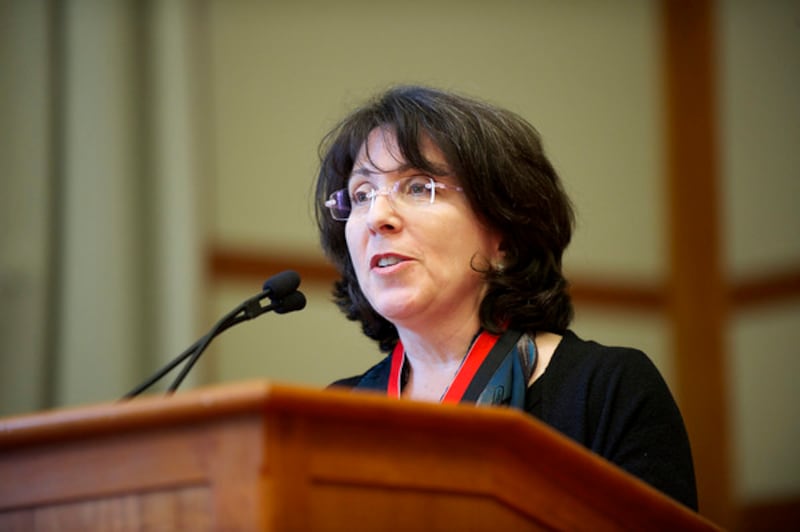
She picked apart the substance of the fake remarks, saying emotions are not “reactions” and that she tends to avoid the word “truth” in scientific contexts because it is complicated.
Barrett also took issue with the book’s references to “emotional and social signals,” which she said was not terminology she uses.
Other attribution problems appear to have stemmed from A.I. tools mixing up sources rather than fully fabricating them, the Times reports.
One passage cites author Meredith Broussard and her book Artificial Unintelligence. But while the quote itself was real, Broussard apparently never wrote it in the book Rosenbaum cited. The line instead came from a 2023 radio interview with Marketplace Tech.
Rosenbaum attempted to frame the fiasco as evidence of the very dangers his book was trying to highlight.
“These A.I. errors do not, in fact, diminish the larger questions that the book raises about truth, trust and A.I.,” he said, arguing the mistakes underscored the risks of relying on automated systems for research and verification.
The Daily Beast has reached out to Rosenbaum’s team for comment.
The publishing embarrassment follows a growing list of A.I. scandals involving people who were supposedly paying close attention to the technology’s pitfalls.
Last May, the Chicago Sun-Times released a summer reading recommendations list to help readers discover legitimate titles to buy for vacation reading. That was until readers realized some of the books literally did not exist, but were actually fake titles generated by AI.