
Vladimir Putin has vowed revenge after Ukraine humiliated the Russian dictator with a new drone attack on a major oil hub.
A barrage of long-range drones on Tuesday left the vast Ust-Luga fuel terminal in flames. The terminal, on the Baltic Sea near St. Petersburg, can process 700,000 barrels of crude oil a day.
It was the latest attack on Russia’s energy infrastructure as Kyiv focuses on economic targets four years into Putin’s war—a strategy that appears to be taking a toll on the 73-year-old president.

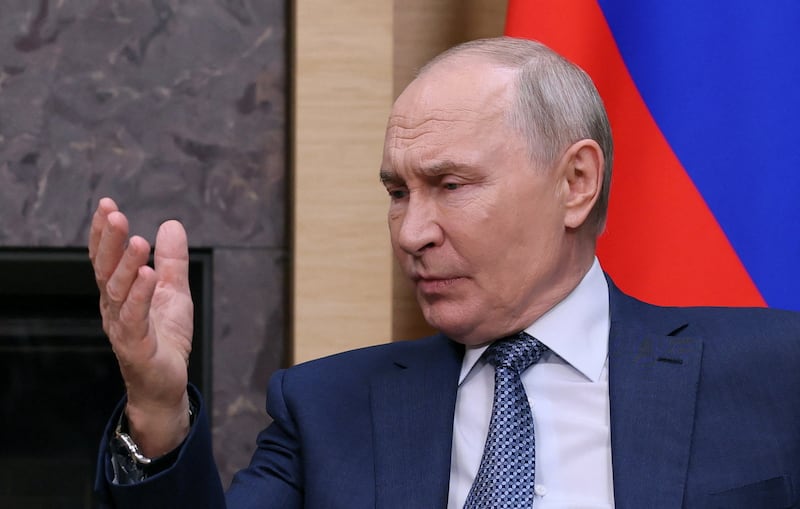
Putin told reporters on Tuesday he had ordered his military to prepare and launch large-scale strikes against Ukrainian energy facilities.
“They battered our people, and they will get a response,” Putin warned, in what amounted to a public admission that Ukraine’s attacks are inflicting real damage on his country.
Ukraine struck Russian oil refineries at least 21 times last month, the highest number recorded in a single month, according to a Bloomberg analysis.
The attacks have meant Russia has struggled to produce enough fuel to meet domestic demand, despite being the world’s third-largest oil producer, accounting for more than 12 percent of global crude oil production.
Wholesale fuel prices have soared, authorities have introduced rationing in several regions, and videos circulating on social media have shown motorists waiting in long lines to refuel in Moscow.
Oil exports and the broader energy sector account for roughly 30 percent of Russia’s budget revenues and remain critical to financing Moscow’s war effort.
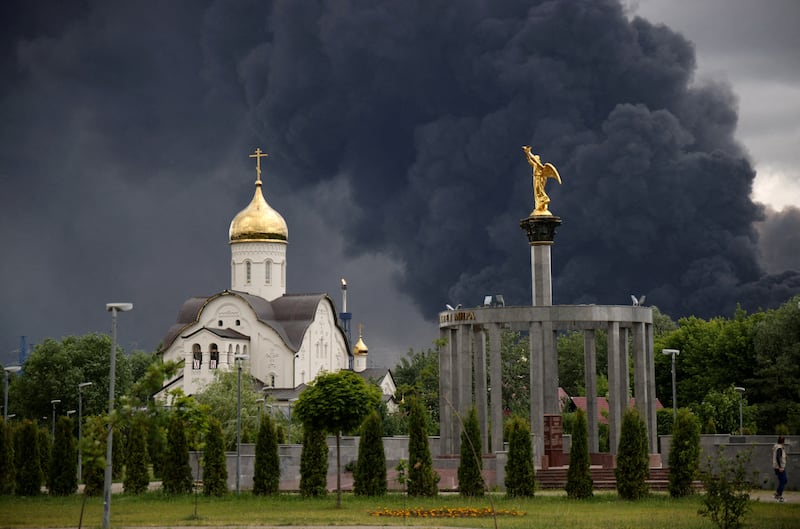
The Ust-Luga terminal targeted on Tuesday is Russia’s second-largest shipping terminal, behind Novorossiysk in southern Russia, which has also been hit by Ukrainian drones.
“Damage and fire were recorded in the Ust-Luga port area as a result of the drone attack,” Alexander Drozdenko, governor of the Leningrad region, said on Telegram.
Putin has attempted to ease public frustration over the fuel crunch, with lengthy lines returning to gas stations and major fuel suppliers reimposing limits on gasoline purchases.

“The situation will gradually improve,” Putin said in mid-July, weeks after admitting that Ukraine’s attacks on his oil refineries have resulted in Russia facing a “certain shortage” of fuel.
On Tuesday, the Russian president also claimed that Russia had repaired 90 percent of the oil refineries damaged in Ukrainian attacks.
“We have only 10 percent of our refineries left to repair, but it wasn’t enough to prevent another strike on the ones that had already been repaired,” Putin told reporters. “Just last night, there was another attempt to strike three oil refineries. It didn’t work because they’re already protected.”
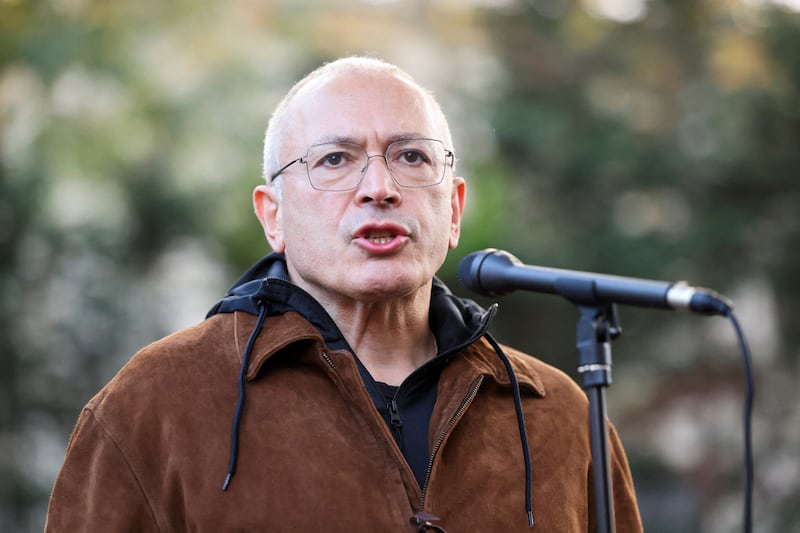
But one of Putin’s most prominent foes warned last month that Ukraine’s relentless drone campaign is pushing Russia’s battered oil industry toward a potentially catastrophic “breaking point.”
Mikhail Khodorkovsky, 63, the self-exiled former oligarch who headed the oil giant Yukos, suggested that Ukraine’s repeated strikes on oil refineries had caused damage that Moscow could no longer properly repair while keeping the facilities running, contradicting Putin’s remarks this week.
“No one can name the day when the patches give out—not in Kyiv, not in Washington, and not in Moscow,” Khodorkovsky wrote in a blog post. “But the question is no longer whether Ukraine’s campaign is working, it’s what happens as the breaking point approaches.”