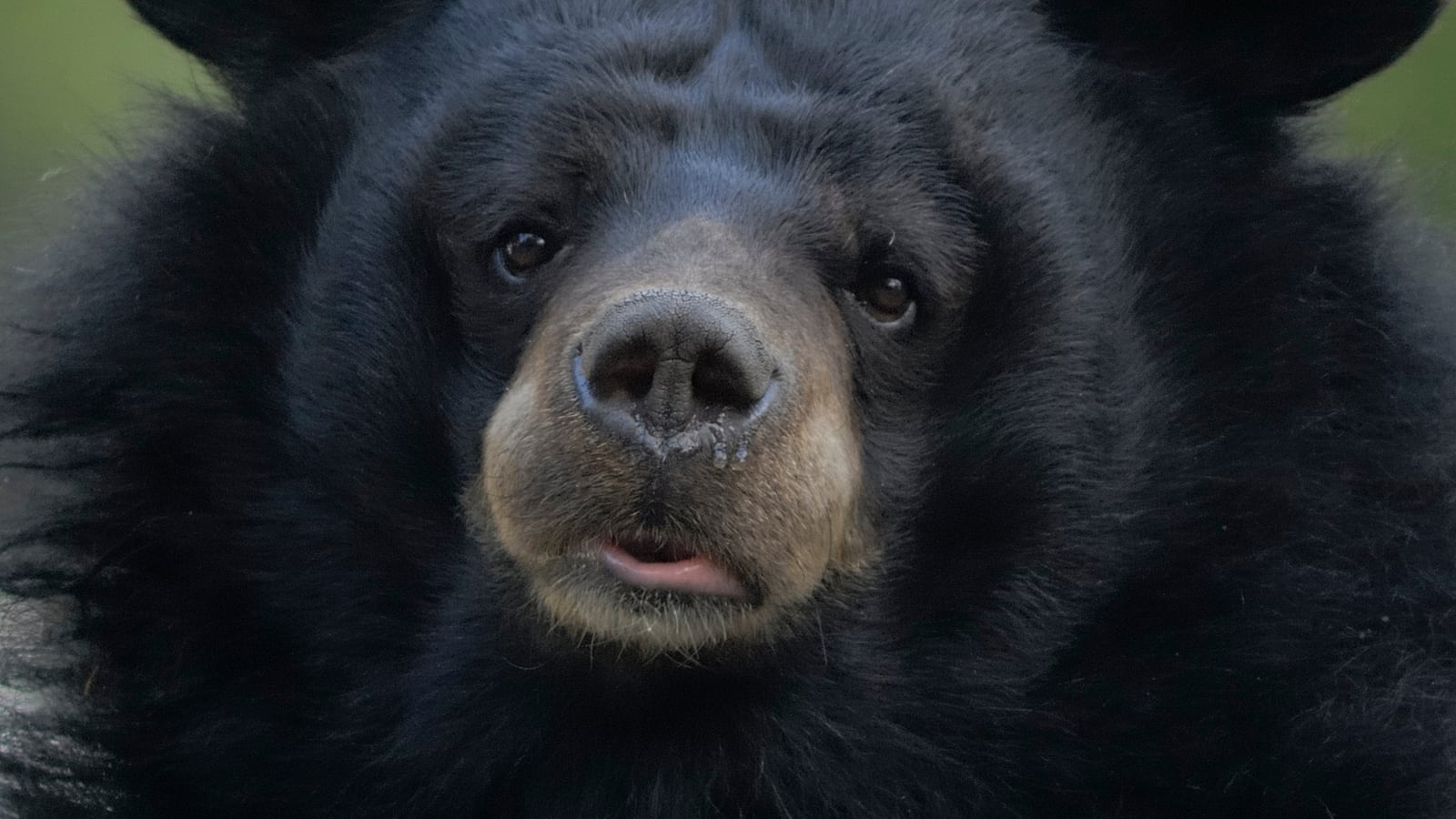
A safari park worker was attacked in front of the bear he’d trained since it was a cub twice in front of spectators. The incident on Saturday in China saw multiple members of the park’s staff rush to save trainer Zhou Jiazhen from the animal, named Xiong Er, during a live show. One could be seen holding a basketball hoop at Hangzhou Safari Park, another a piece of bamboo, and a third carried a parrot. When Jiazhen managed to break free, he then reapproached the bear. Again, the bear lunged towards him. Despite the scare, Xiong Er’s trainer claims that it wasn’t fueled by aggression but greed, and that the bear wanted his bag of carrots. Trainers managed to get the bear backstage, although the remainder of the show was canceled. “If it really wanted to attack, I wouldn’t be standing here now,” Jiazhen said. He is understood to have been bitten during the incident but the park said later that neither he nor Xiong Er was hurt. Xiong Er has been moved to a different location and won’t be doing any more shows. People report Jiazhen still regularly visits Xiong Er.
Read it at People