Scouted selects products independently. If you purchase something from our posts, we may earn a small commission.
From facial masks that target fine lines and scarring to full-body mats designed to aid recovery, red light therapy (also known as low-level light therapy) is more accessible than ever—and emerging research suggests its benefits may extend beyond aesthetics and fitness. In fact, there is significant research that suggests that red light therapy (RLT) can be a helpful tool for a wide variety of conditions, from improving anxiety and depression and combating hair loss to helping to alleviate chronic pain. To get the lowdown on the many wellness benefits of red light therapy, I spoke with a few experts to help get the most out of the multifaceted wellness modality in-office and at home.
The history and evolution of red light therapy research
Although red light therapy has recently become a rising star in the wellness zeitgeist (at least for non-biohackers and dermatologists), it’s been thoroughly studied for decades. Red light therapy dates back to the 1960s when it was first discovered by Dr. Endre Mester, a Hungarian researcher.
“While conducting experiments on wound healing in mice, Mester found that low-level laser light could stimulate tissue repair and promote faster healing,” says Dr. Zulia Frost, MD. “This was a breakthrough, as it demonstrated the biological effects of light on living tissue, particularly its ability to accelerate cellular regeneration. Over time, RLT expanded into various medical applications, including pain management, wound healing, and reducing inflammation.”
In the ’90s, NASA-funded studies examining the benefits of red light exposure in humans after several astronauts used the modality to test its effects on plant growth observed that small scratches and blemishes began to heal rapidly in space. “For decades, [light] has been researched by scientists who discovered that light in a narrow band of red and near-infrared can safely produce health benefits,” says Dr. Sarah de la Torre, MD, FACOG, DipABLM, MSCP, a double board-certified physician specializing in obstetrics and gynecology. “The authors of thousands of published peer-reviewed papers believe that this band of light stimulates the mitochondria in your cells to create the energy we need.”
The science behind red light therapy
There’s some pretty persuasive, basic science supporting these contentions: when mitochondria are in an excited state, they release adenosine triphosphate (ATP) and nitric oxide, which help fortify collagen, increase blood flow, and expedite tissue repair. “Red and near-infrared light penetrate the skin and are absorbed by mitochondria, specifically by an enzyme called cytochrome c oxidase,” says Melanie Abeyta, NP, longevity expert, and owner of Harmony Aesthetics Center in Los Angeles. “This interaction helps improve ATP production, which is the energy currency of the cell. When cells have more energy, they are better able to repair damage, reduce inflammation, and function optimally.”
From an aesthetic perspective, this translates to enhanced collagen production. “Red and near-infrared light support collagen production, improve skin tone and texture, and help reduce inflammation that contributes to premature aging,” Abeyta says. “Many patients notice improvements in skin clarity, firmness, and post-procedure recovery when red light therapy is used consistently.”
The integrative anti-aging specialist adds that, while the modality is used aesthetically for its collagen-boosting benefits, red light therapy also has anti-aging applications that span recovery, resilience, and overall cellular health. The bottom line? “Healthy cells need energy to repair, and red light helps restore that energy at the source. Red light therapy is one of the few non-invasive modalities that bridges aesthetics and wellness.”
Red light therapy benefits
Dr. Frost agrees, adding that, in addition to helping quell inflammation and support recovery, red light therapy may also improve sleep hygiene and sustain energy levels. “A key benefit of light therapy is its role in enhancing melatonin production, which helps regulate the circadian rhythm, promoting restful sleep and improving overall well-being,” Dr. Frost explains. “The combined effects of red, infrared, and amber light can help improve energy levels, reduce pain, and enhance the body’s natural healing processes.”
Dr. de la Torre also notes that red light therapy is now being leveraged in gynecology and obstetrics—especially when it comes to treating postpartum and menopause symptoms. “Light energy is now being used in various health applications—from wrinkle reduction, hair growth, and wound healing to a reduction of pain and inflammation, as well as an improvement in vaginal wellness and perineal recovery after childbirth,” she says.
Who can benefit from red light therapy?
While there are many uses for light therapy ranging from cosmetic to medical, Dr. de la Torre says that people suffering from sleep issues, depression, or anxiety, including athletes, menopausal women, and those suffering from chronic pain (especially arthritis or fibromyalgia), may stand to benefit the most from red light therapy.
The caveat is that red light therapy isn’t a one-time treatment—it requires consistency and commitment to reap its benefits. Fortunately, the recent expansion of at-home devices makes staying on track easier than ever before.
“In-office treatments allow for higher intensity and more targeted protocols, particularly after procedures or for pain and inflammation,” Abeyta says, but she also sees the value in at-home therapy for maintenance as well. “At-home devices, however, are incredibly valuable because they allow patients to be consistent, which is where much of the benefit comes from with light-based therapies. Red light therapy works best when it becomes part of a routine, not a one-time treatment,” she says.
Who should avoid red light therapy?
Red light therapy is generally considered safe for most people; however, the experts recommend consulting with your physician before starting any new treatment, including light therapy. “While red light therapy is generally safe for most people, there are some individuals who should avoid or take precautions with this therapy.” This is especially important if you have photosensitivity (or a history of seizures), open wounds, or are taking medications that can increase sensitivity to light.
Dr. Frost agrees, adding that “Red light therapy can trigger a detox process in the body, which may have unexpected effects for people with serious health conditions.”
The best at-home red light therapy devices
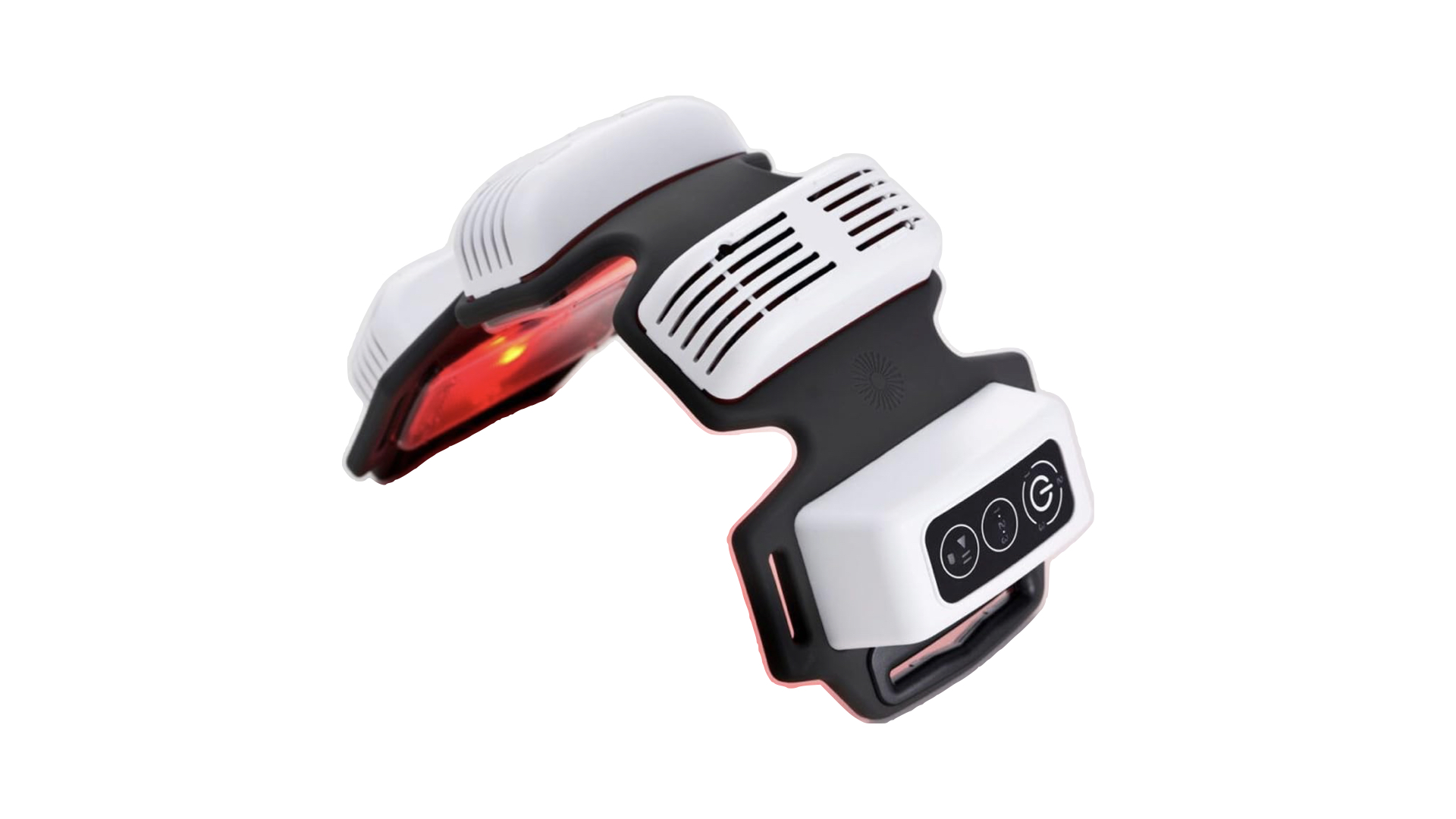
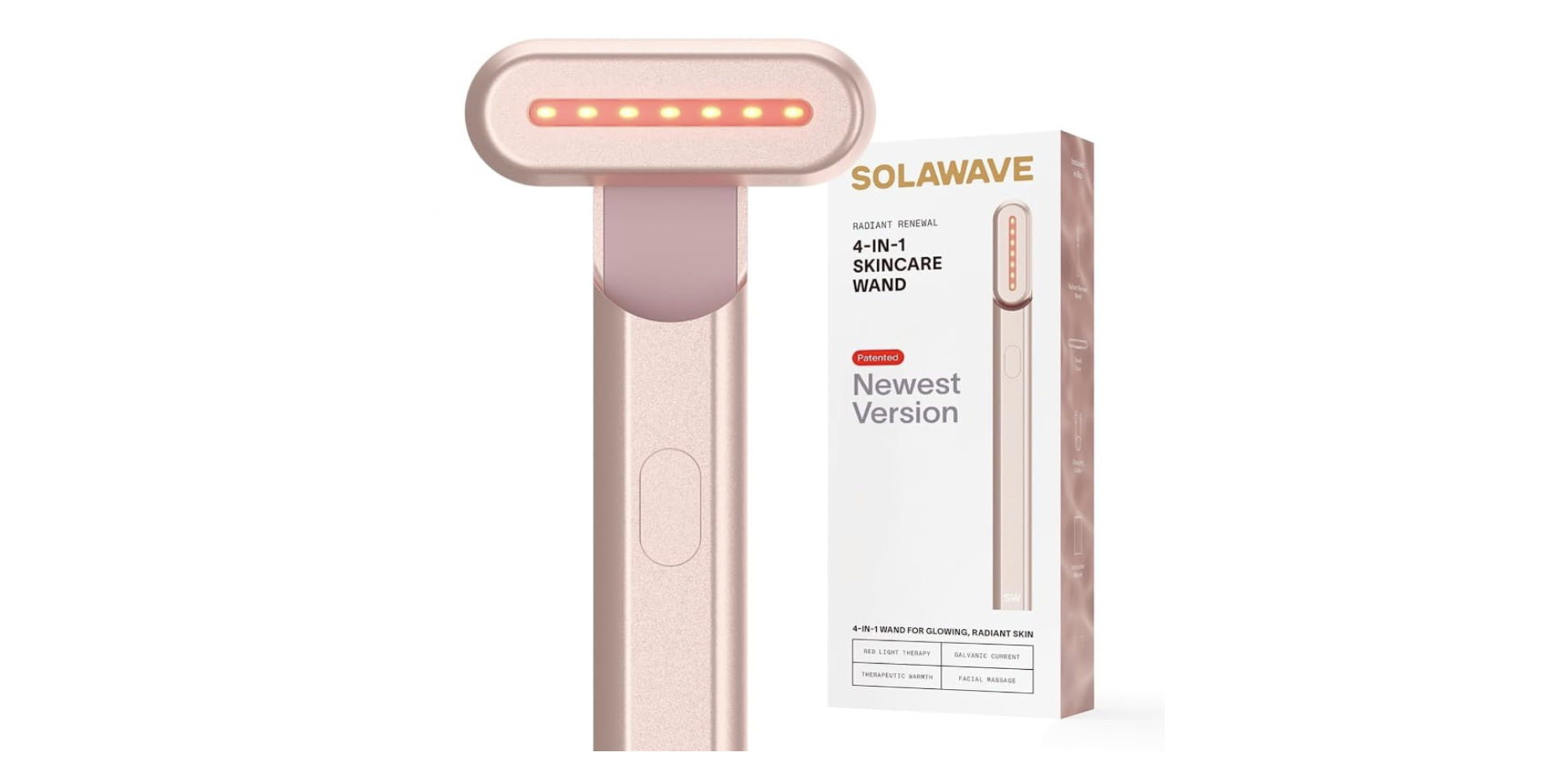
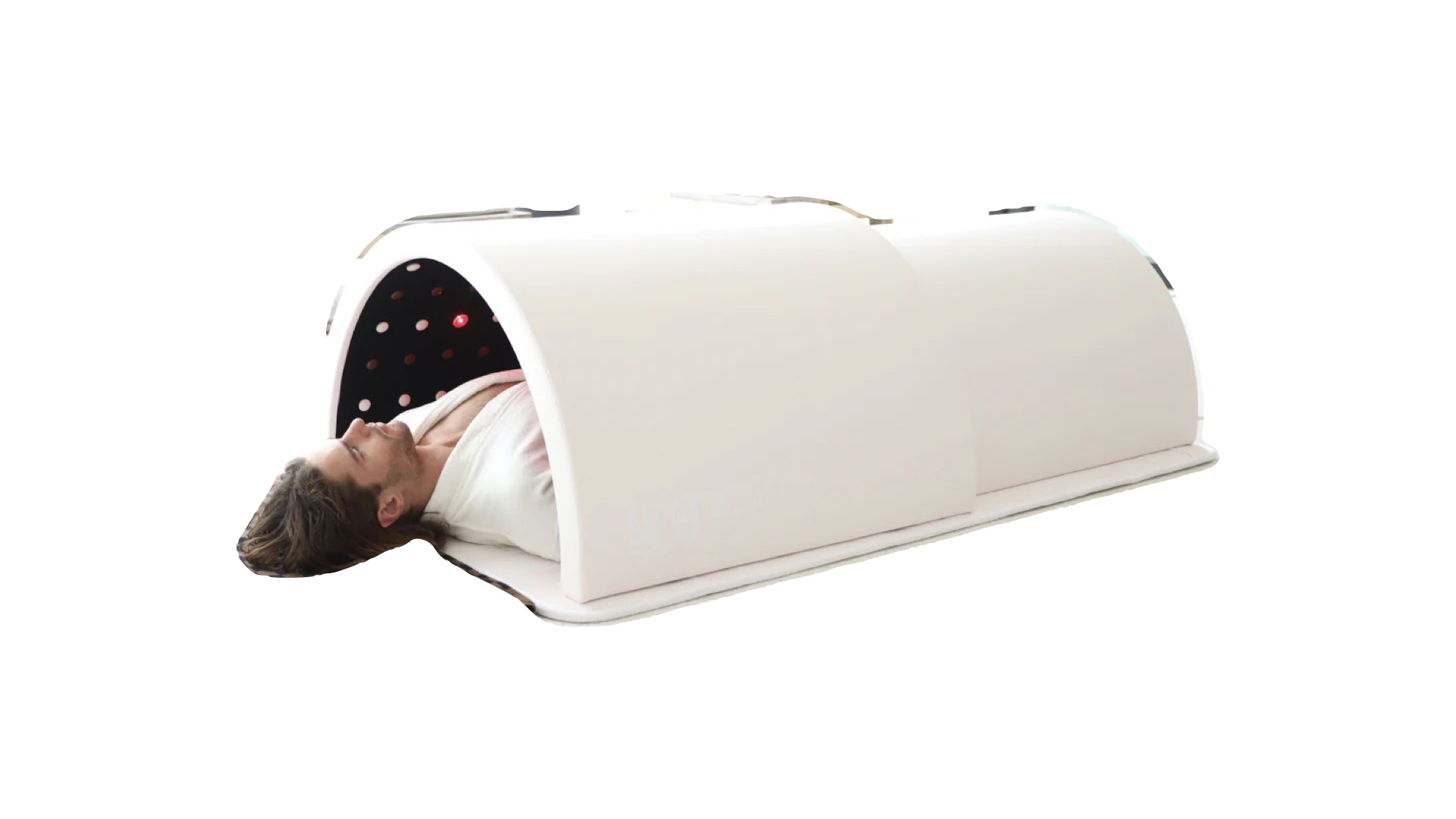
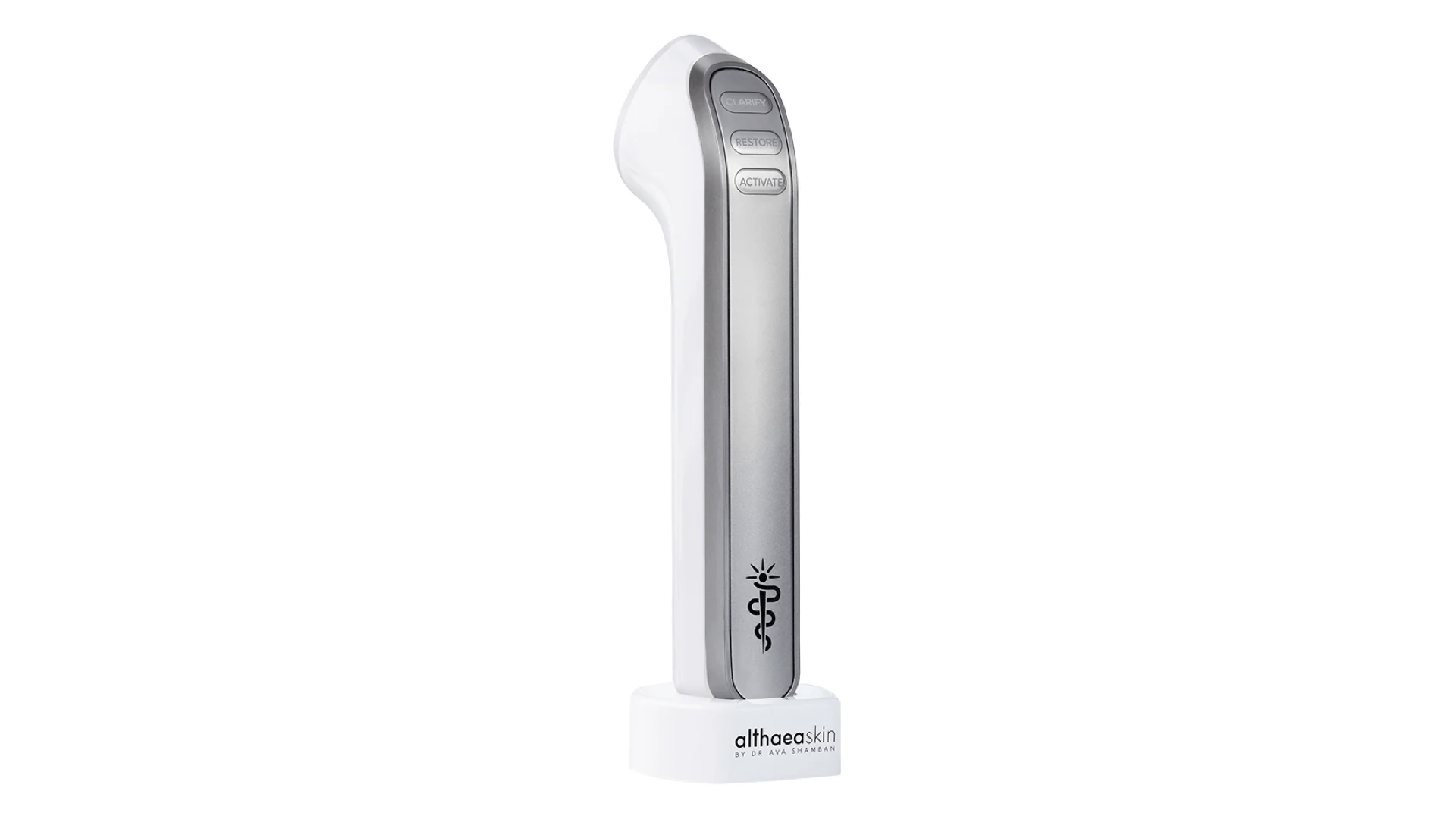
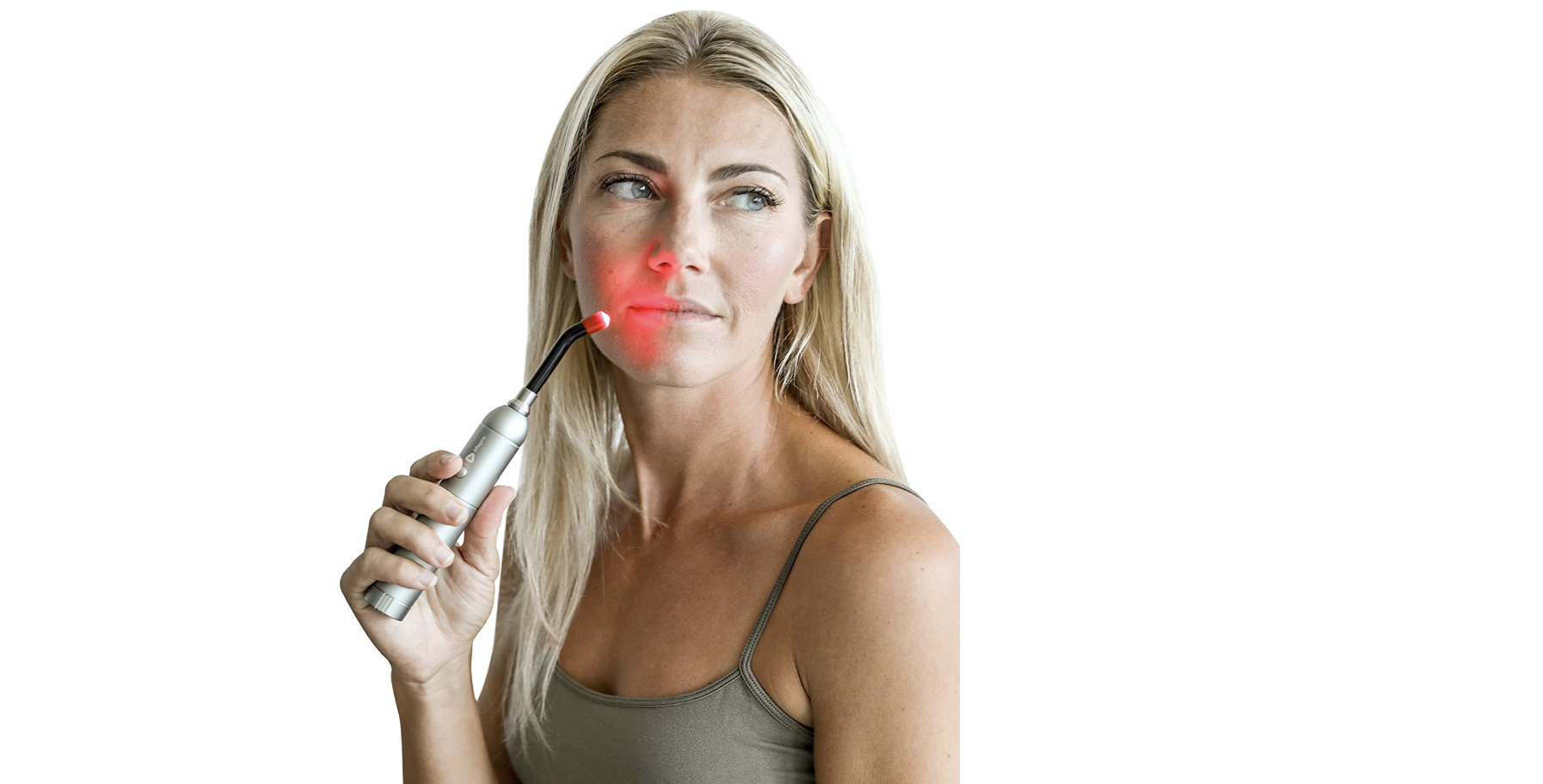
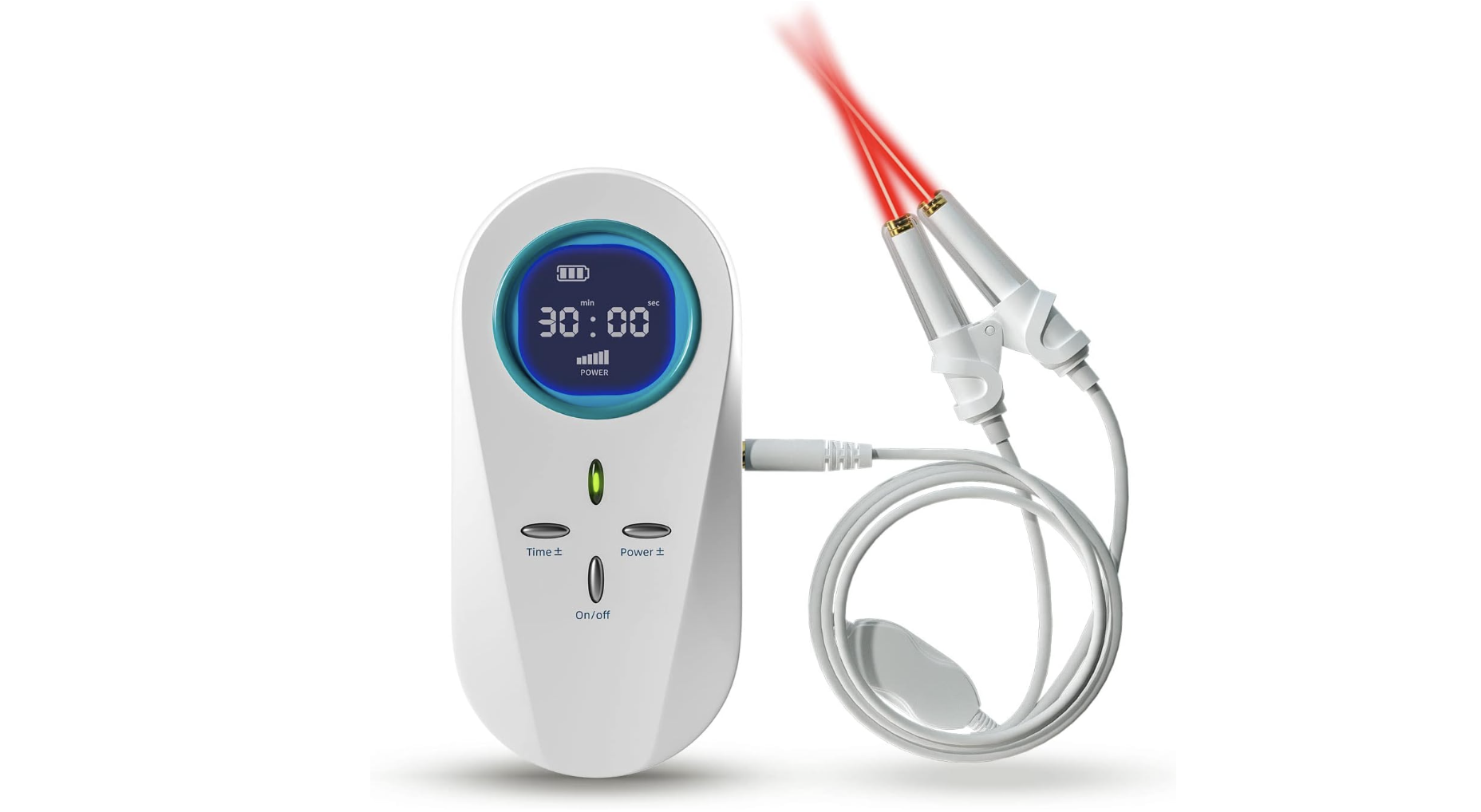
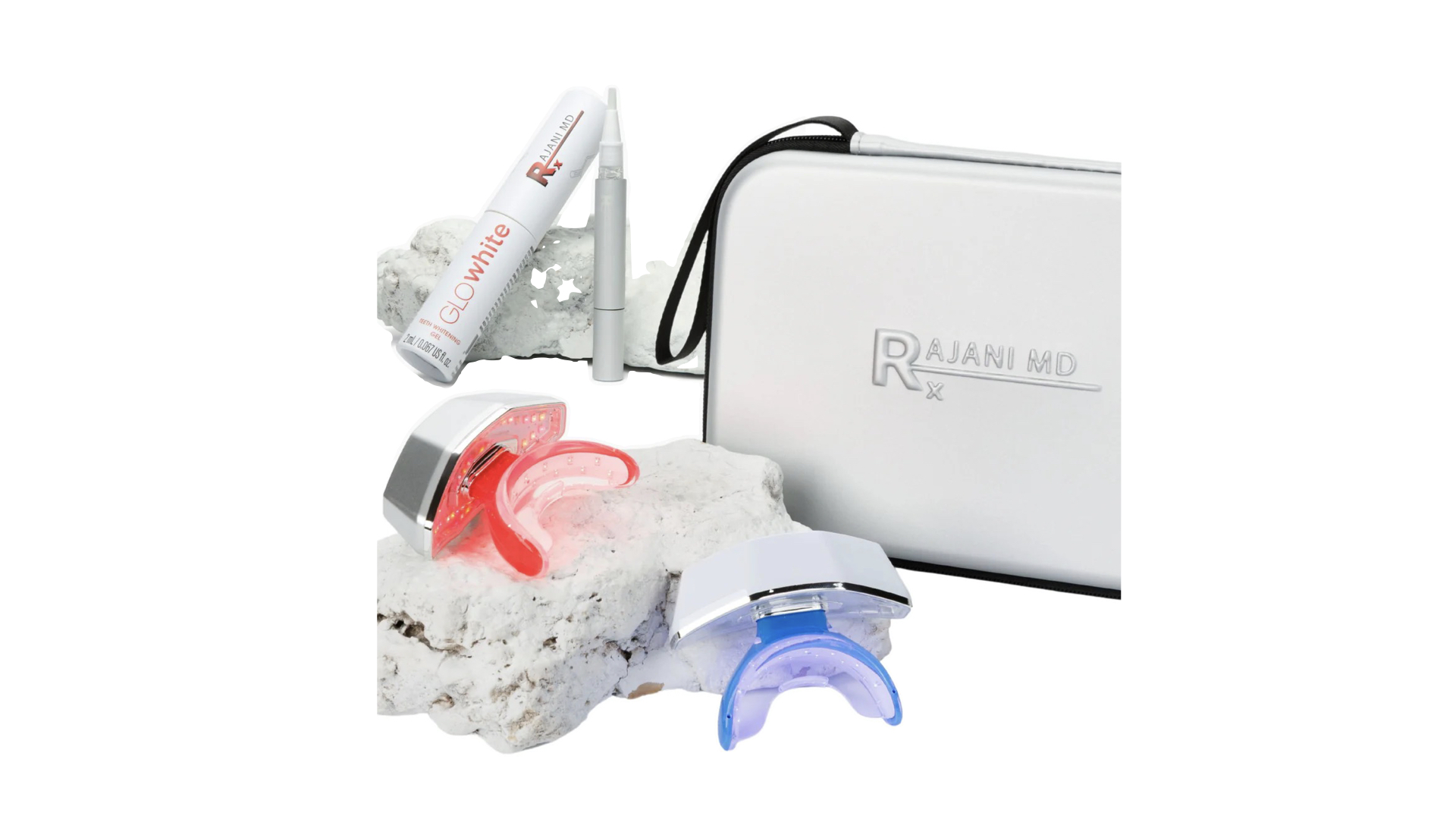
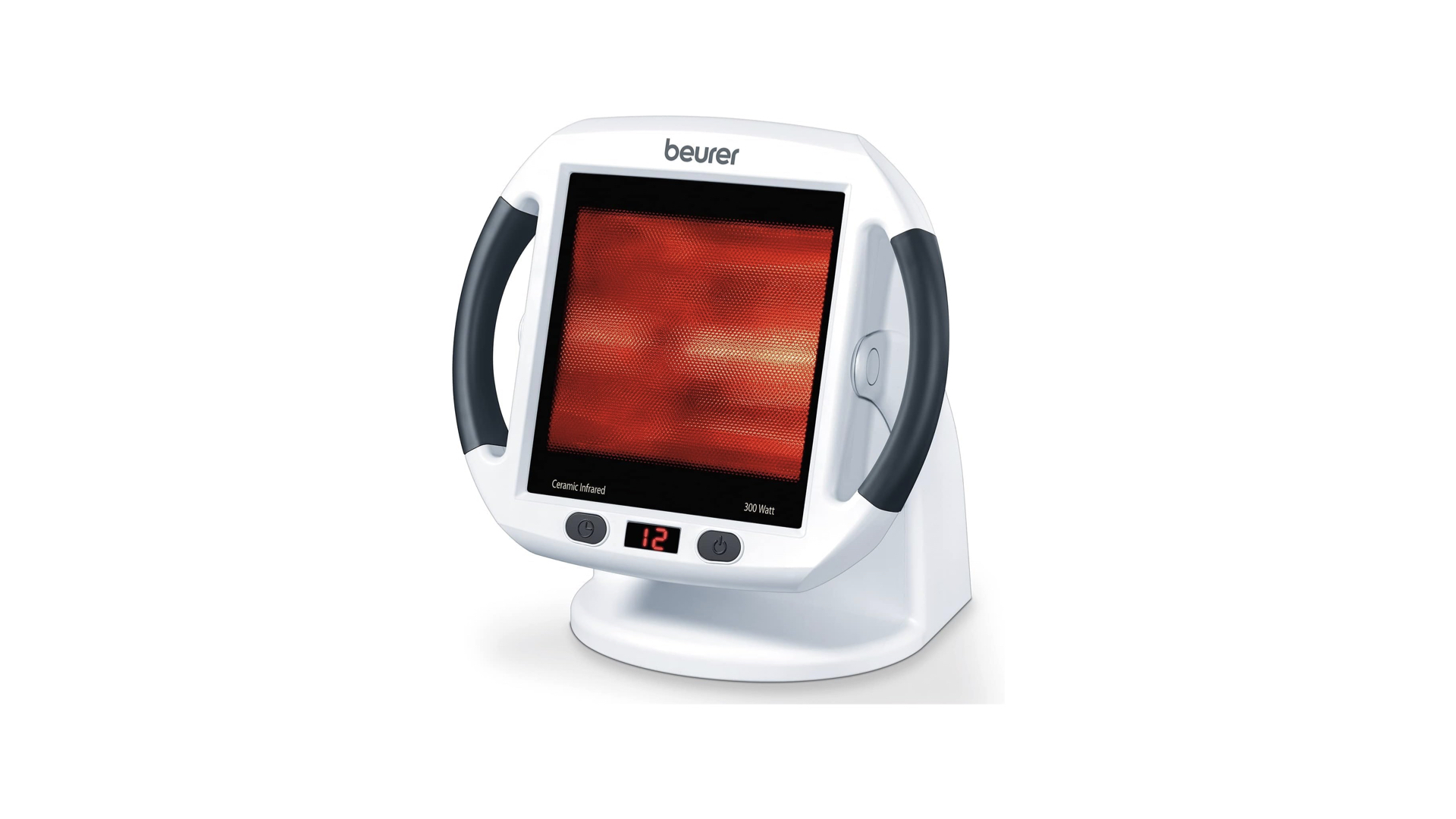
As Abeyta pointed out, you don’t have to join a wellness studio or spa to reap the benefits of red light therapy—there are plenty of doctor-approved devices for at-home use. Whether you’re a red light-curious novice or a veteran beneficiary of its power, recent progress in red light therapy devices puts the wellness modality well within reach.