
An author who’s written about the struggles that plague Appalachia is running for Congress in a rural House district. Sound familiar?
Beth Macy, author of Dopesick, announced her run for Virginia’s 6th Congressional district last month, and despite making a name for herself writing about rural Appalachia, she doesn’t want to be compared to Vice President JD Vance.
When asked by Politico if she could be a Vance-like figure for the left, she took a swipe at him.
“Except for I’m going back and engaging with people and talking to them, and then I’m talking to experts, and then I’m talking to real people on the ground, and I’m going back and forth. He’s just kind of pontificating,” Macy said in an interview published Monday.
“I wasn’t trying to launch a career,” she said. “I was just, like, doing my job.”

Despite similar career trajectories, their political trajectories are also vastly different. Whereas Vance, despite being a one-time strong critic of Trump, has become one of MAGA’s most prominent figures, Macy, 61, calls herself a progressive who believes Democratic values will bring meaningful change to the region.
Still, Macy faces an uphill battle running in a ruby red Virginia district where she worked for years as a reporter. The coal-country district, which is situated about 250 miles West of D.C., and includes Roanoke and Harrisonburg, hasn’t sent a Democrat to Washington since 1990, and in 2024, incumbent GOP Rep. Ben Cline beat the Democratic candidate by 29 points.
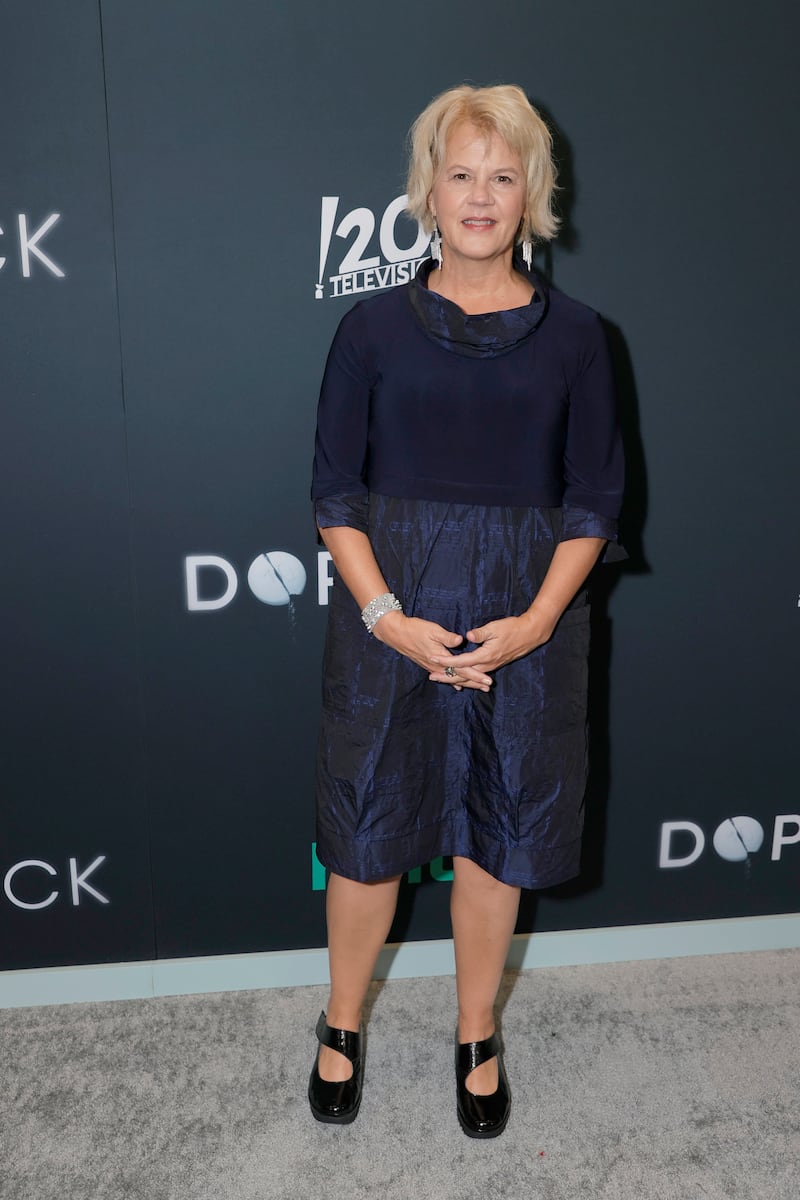
While both Vance and Macy are authors-turned-politicians, their commentary on Appalachia is vastly different.
As Macy writes about the history of the opioid epidemic, Dopesick features anecdotes from people in Appalachia impacted by the opioid epidemic. The book was later adapted into a TV series on Hulu. She’s written four other nonfiction books, including Factory Man, which focused on the globalization of industries across the U.S. and the impact on rural areas, and Paper Girl, a memoir about her childhood in small-town Ohio.

Vance’s Hillbilly Elegy, which made him a prominent name for writing about how Trump captured Appalachia’s vote, alleges that the struggles that white working-class people face are largely due to cultural and behavioral problems in that community.
Overall, Vance, in his book, attempts to blame cultural factors, not economic issues, for Appalachia’s decline, while Macy’s books emphasize the role that corporations and the lack of government support in rural areas had in the region’s decline.
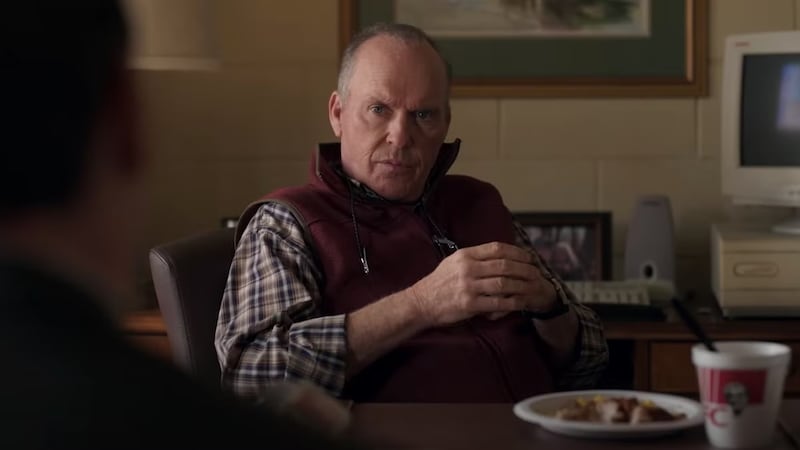
“She’s the opposite of JD Vance,” Appalachian writer Silas House told Politico.
“She is what JD Vance could have been,” Shannon Anderson, a sociologist at Roanoke College who is friends with Macy, told the outlet.
Vance has also claimed that he grew up in rural Appalachia. In reality, he spent most of his childhood in the mid-sized Ohio city of Middletown, which is not part of Appalachia. Macy, on the other hand, actually grew up in the small town of Urbana, Ohio, and moved to Appalachia after her childhood.

“The more time I spent back in my hometown, the more I recognized the unprecedented forces that were actively turning the community I loved into a poorer, sicker, angrier, and less educated place,” she wrote in Paper Girl.
The Daily Beast reached out to Vance for comment.
Macy has been very critical of Vance, whom she referred to as a “hillbilly huckster,” as he rose through the ranks of the Republican Party all the way to become President Trump’s right-hand man.

In 2024, she wrote an op-ed in the New York Times titled “I Grew Up Much Like JD Vance. How Did We End Up So Different?” In that, she wrote that Vance had “turned his back on the things that helped make him who he is — public schools, public college and Ivy League opportunities.”

Two years before that, she told the Times that Hillbilly Elegy “makes me angry every time I think about it” because Vance “blamed Appalachians’ woes on a crisis of masculinity and lack of thrift, overlooking the centuries of rapacious behavior on the part of out-of-state coal and pharma companies, and the bought-off politicians who failed to regulate them, and he took his stereotype-filled false narratives to the bank.”