CBS News is reportedly set to air the 60 Minutes segment abruptly yanked by its MAGA-curious editor-in-chief, Bari Weiss, after her attempts to make changes fell flat.
The “Inside CECOT” segment diving into the Trump administration’s deportation of Venezuelan nationals to an El Salvadoran megaprison is expected to hit the airwaves Sunday night, according to a CBS News release.
“CBS News leadership has always been committed to airing the ’60 Minutes’ CECOT piece as soon as it was ready,” it said in a statement. “Tonight, viewers get to see it, along with other important stories, all of which speak to CBS News’ independence and the power of our storytelling.”
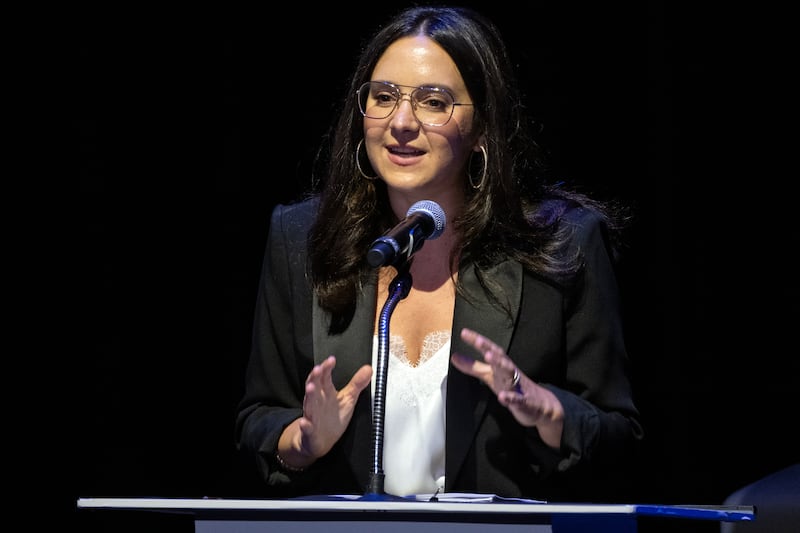

Last week, veteran correspondent Sharyn Alfonsi and 60 Minutes producers flew into Washington, D.C. after they were tasked with interviewing an administration official, such as Homeland Security Secretary Kristi Noem or border czar Tom Homan, sources told CNN. Weiss said she would personally book the sitdown, but it never happened, and the team reportedly left empty-handed.

The piece airing on Sunday will include three minutes of new reporting, an executive told Variety. The segment is now expected to include a statistic on the number of people who are deported from the U.S. due to their criminal history. It will also note that one of the interviewees has two tattoos linked to gangs or Nazis.
The story is also expected to include statements from various arms of the government—something that Weiss felt was missing from the original piece, the executive told the outlet.

Sources initially told Puck News that the segment was expected to air unaltered from its original version, but final edits were ongoing at the time of reporting.
CBS News did not immediately return a request for comment from the Daily Beast.
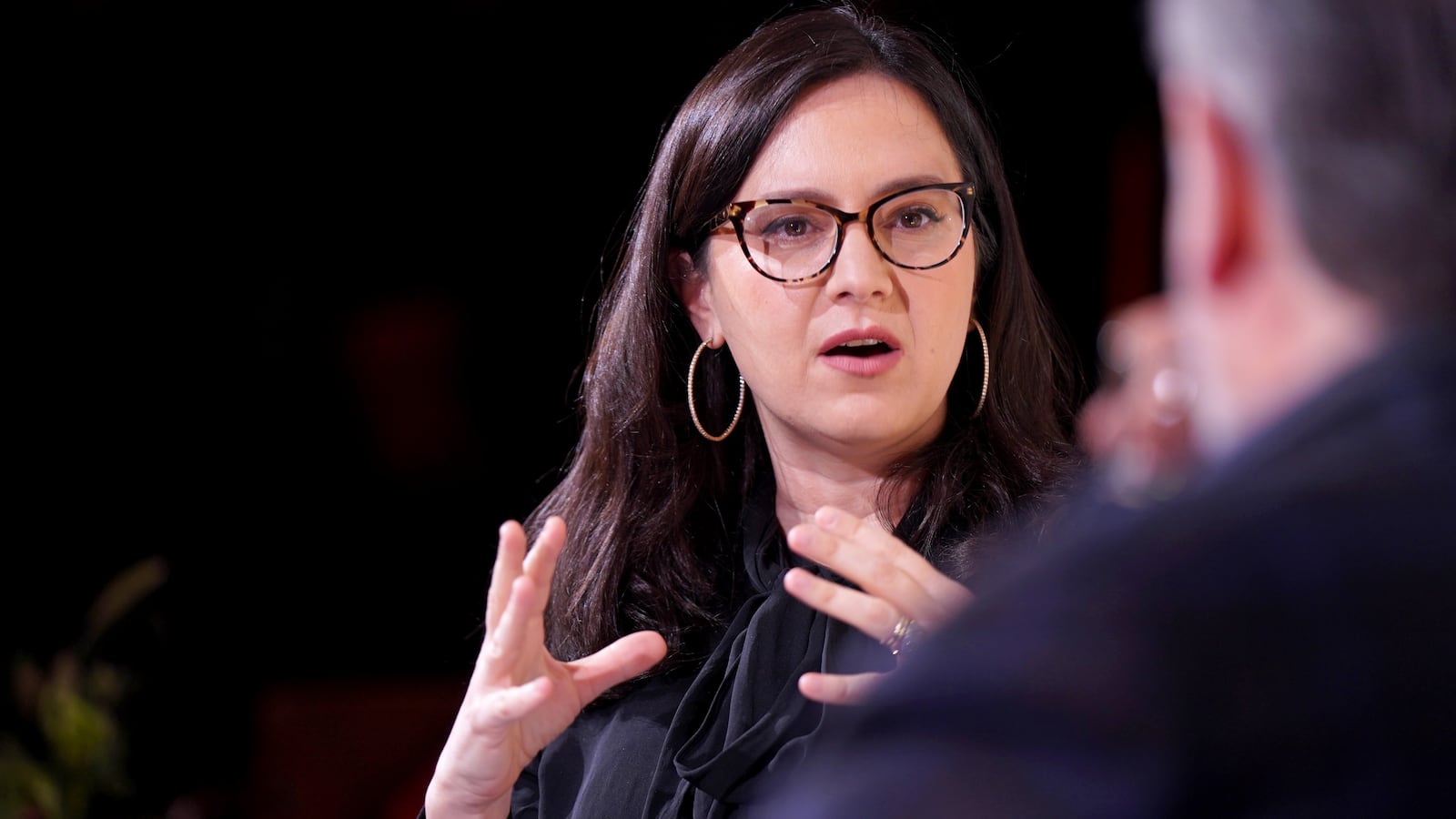
Weiss, 41, pulled the story just hours before its original airing schedule nearly a month ago, citing a need for additional reporting and on-camera interviews with top administration officials.

The newly minted CBS News chief later told The New York Times: “My job is to make sure that all stories we publish are the best they can be. Holding stories that aren’t ready for whatever reason—that they lack sufficient context, say, or that they are missing critical voices—happens every day in every newsroom. I look forward to airing this important piece when it’s ready.”
The decision ignited a firestorm within CBS, with Alfonsi writing in a memo to colleagues that government officials’ refusal to be interviewed is “a tactical maneuver designed to kill the story.”

“If the administration’s refusal to participate becomes a valid reason to spike a story, we have effectively handed them a ‘kill switch’ for any reporting they find inconvenient,” she said at the time.
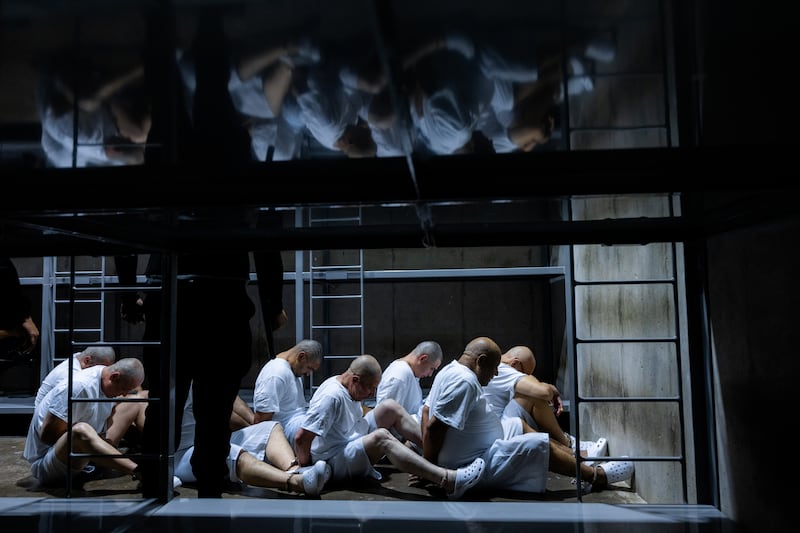
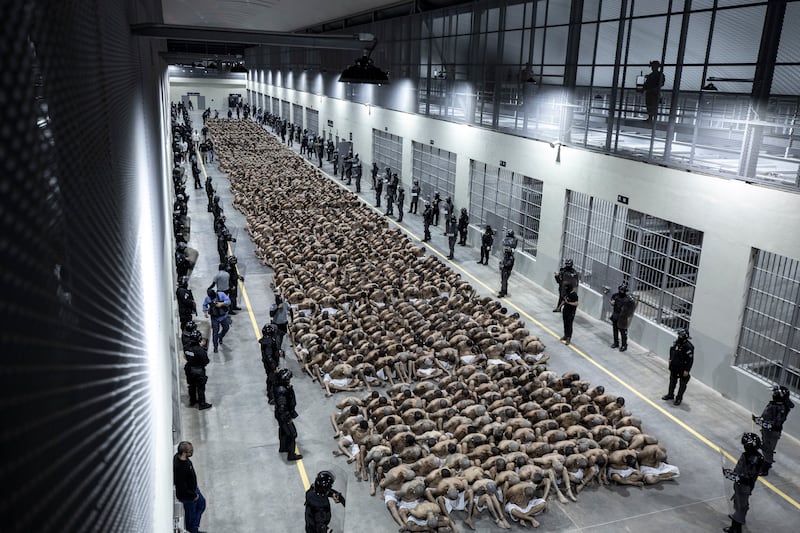
A teaser for the segment made rounds on social media even after it was deleted from official 60 Minutes accounts. It opened with chilling scenes from a deportation flight last year, when hundreds of men were deported to El Salvador’s Centro de Confinamiento del Terrorismo, or Terrorism Confinement Center.
The Trump administration had accused the men of ties to the Venezuelan gang Tren de Aragua, but a 60 Minutes investigation later found that 75 percent of the 238 men deported had no criminal record, while 22 percent mostly had non-violent offenses like theft, shoplifting, and trespassing, and 3 percent had unclear records.
“The deportees thought they were headed from the U.S. back to Venezuela, but instead they were shackled, paraded in front of cameras, and delivered to CECOT, the notorious maximum security prison in El Salvador, where they told 60 Minutes they endured four months of hell,” Alfonsi said in the teaser.

“Did you think you were going to die there?” she asked a deportee.
“We thought we were already the living dead,” he replied.

The full segment still found its way online after a streaming slip-up led to it being aired by Canada’s Global TV.
Bootlegged copies showed that Luis Munoz Pinto, a college student from Venezuela who sought asylum in the U.S. and says he has no criminal record, described the environment at CECOT.
“There was blood everywhere, screams, people crying, people who couldn’t take it and were urinating and vomiting on themselves,” he said. “Four guards grabbed me, and they beat me until I bled until the point of agony. They knocked our faces against the wall. That was when they broke one of my teeth.”
Pinto also said he never got access to clean water: “The same water from our baths and toilets was the same water that we had to drink and survive on.”
When Noem toured the megaprison in March, she didn’t speak with any of the inmates, according to Pinto.
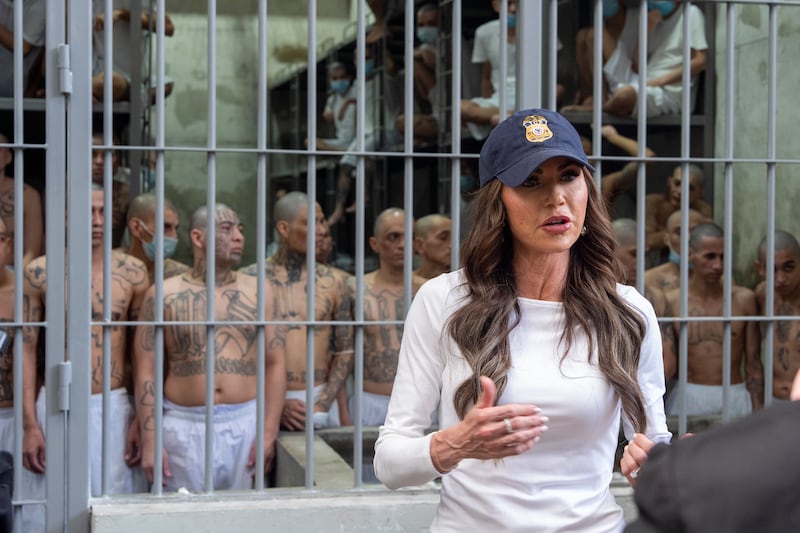
“We only saw the cameras,” he said.