
Supreme Court Chief Justice John Roberts’ hopes for peaceful getaways on an island off the coast of Maine are frequently interrupted by protests and backlash over the court’s decisions.
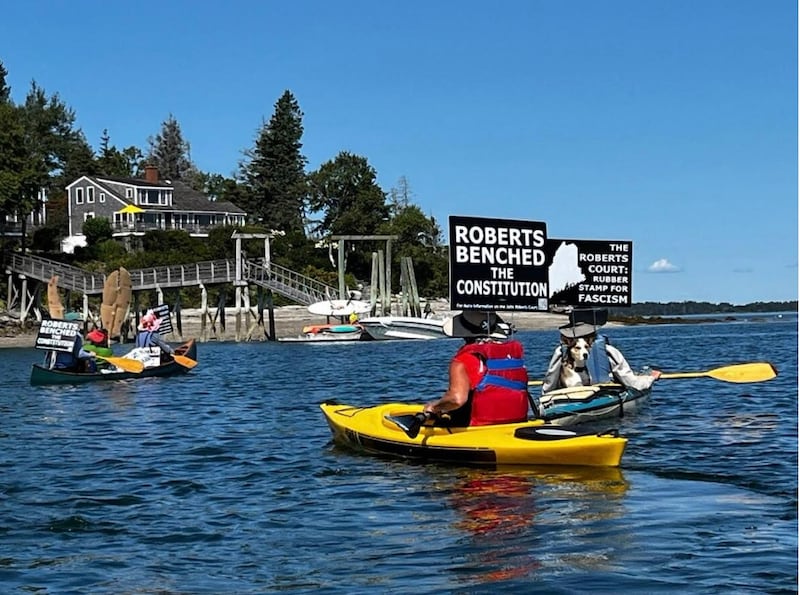
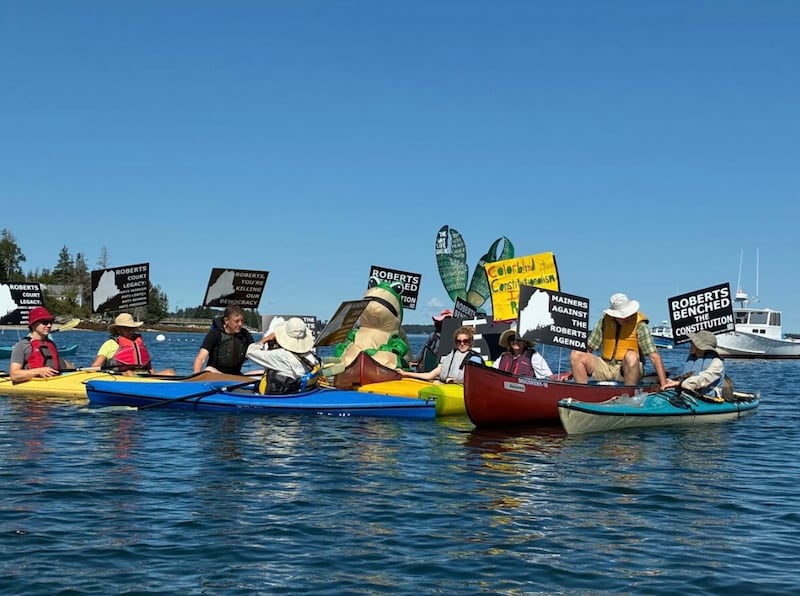
A New York Times feature describes how Roberts is increasingly being shunned by the community on Hopper Island, a car-free enclave just off Port Clyde, and is frequently targeted by demonstrations from so-called “kayak-tivists,” who stage protests on the waters outside his home.
Roberts bought his summer home on Hopper Island in 2006 and has retreated there every year since. While the chief justice’s presence has caused tensions with some community members for years, those tensions have increased after several high-profile SCOTUS decisions, such as the overturning of Roe v. Wade and the decision to grant President Donald Trump broad immunity from prosecution for actions committed in office.
Even friends of Roberts in the community have noted that the justice has become more isolated as it has become harder and harder for him to ignore the backlash. There have even been times when people have refused to attend events knowing that Roberts would also be there.
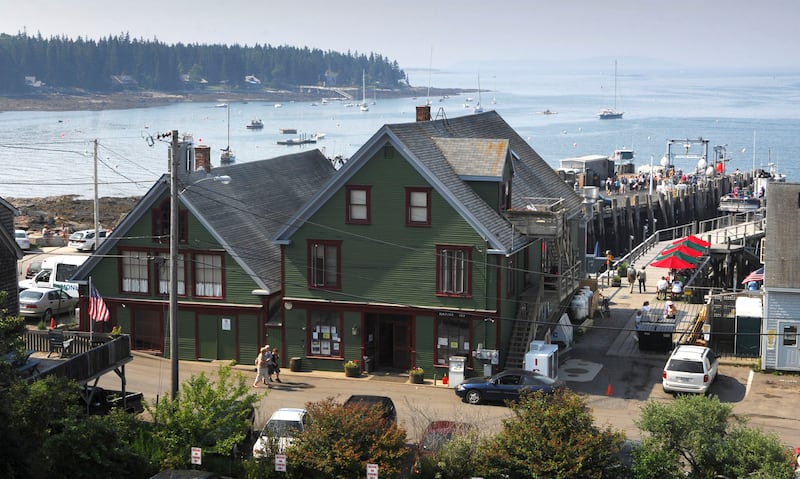
“From what I see, the barrier runs both ways,” Mary Anne Mason, a friend and former law partner of the chief justice who lives in Port Clyde, told the Times. “It’s harder for him to feel comfortable approaching people—and vice versa.”
Local residents said that, for a long time, there was an unspoken rule not to discuss the Supreme Court’s work with Roberts when he appeared at public and social events.
Roberts was also known to reply that he was just a judge when a stranger asked what he did for work.

Neighbors and friends also noticed changes in his behavior, such as appearing more often in public with his security detail close by and no longer hanging out on a dock after the local Sunday church service because of the kayaking protesters.
Tamara Cody, a longtime friend of Roberts, said the change in him has been “hard to watch.”
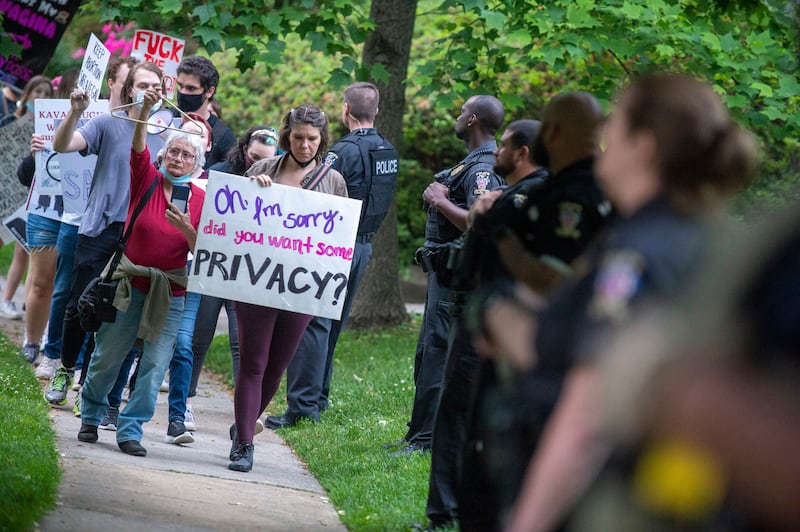
The Times notes that the first “visible crack” between Roberts and the rest of the community came in 2022, when Becca Shaw Glaser wrote a damning opinion piece in the now-defunct Free Press about the chief justice after the Supreme Court overturned the federal right to abortion.

“Should you see Chief Justice John Roberts duck into Squid Ink coffee or the Port Clyde General Store this summer, consider letting him know exactly what you think of him and his illegitimate, ultraconservative court,” Shaw Glaser wrote. “Yell, boo, whisper, weep audibly, give him the thumbs down or the finger, hand him a note, refuse to serve him.”
Glaser was soon fired from her columnist gig for the piece, headlined “We Need to Talk about Chief Justice John Roberts Blissfully Summering Off Port Clyde.” However, the local paper soon received irate letters from residents unhappy about her dismissal.
The Times noted that others also began to “follow her instructions” and actively made their feelings about Roberts in Port Clyde clear.