Chuck Todd Reveals Violent Attack After He Criticized Trump
The veteran broadcaster shed light on how Trump’s critics can find themselves in danger.

NBC/William B. Plowman/NBC via Getty
Veteran broadcaster Chuck Todd revealed he once had his tires slashed by Trump supporters after publicly criticizing the president during his first term.
During an interview on Times Radio, the former Meet the Press host spoke about the consequences of being name-checked by Trump and what happens to those who find themselves in his crosshairs.
“There was direct correlation, right? He’d call your name out, and you’d get weird phone calls, you’d get weird death threats,” he told host Maddie Hall. “I got my tires slashed in front of my house.”
Todd said he believes the president calls out people like judges who are “not in the public square” in order to deflect blame from himself, and appears unaware of the danger it can put people in.
Regarding “conversations” he had with the president over the issue, Todd said: “He goes, ’Oh, isn’t it good — he views it as, ‘Oh, it’s good publicity.’”

He added: “I don’t think he’s doing it to create a security problem for these people but what he wants to do is deflect blame, ‘Just remember, you blame them you don’t blame me.’ That’s always what he’s looking for. But the reality is, Maddie, it creates a security problem.”
Get the best of The Beast delivered right to your inbox
By clicking “SUBSCRIBE” you agree to our Terms of Use and Privacy Policy.
Todd, who left NBC’s Meet the Press in January after nearly two decades at the helm, has interviewed Trump a number of times over the years and has become a frequent target of his ire, even earning himself his own presidential nickname—“Sleepy Eyes.”
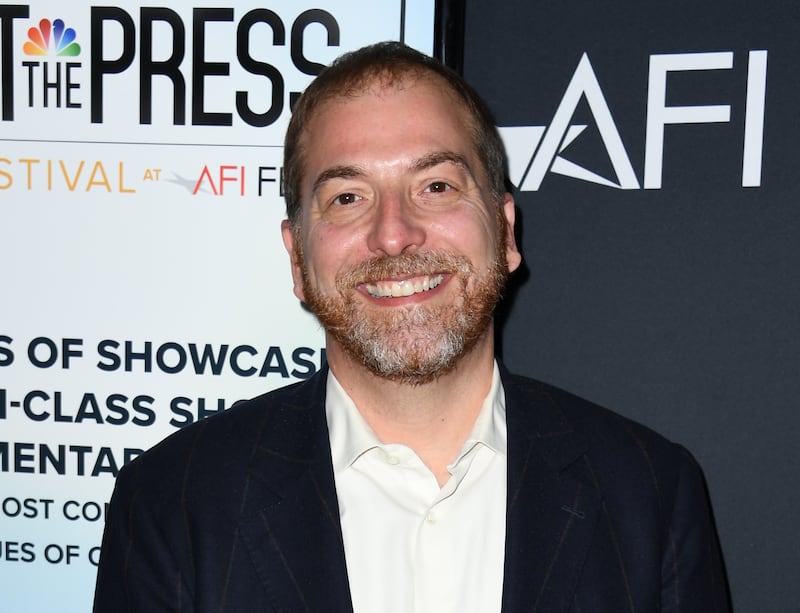
Chuck Todd says Trump targets others to deflect blame from himself.
Jon Kopaloff/Getty Images
His comments on Times Radio followed an earlier conversation about Trump’s targeting of three federal trade court judges who blocked his controversial tariff policy, causing him to go on an unhinged rant about “sleazebag” Leonard Leo, a judge he himself had appointed.
Todd said that more judges and lawmakers in and around Washington D.C. have now gotten security details than at any other point in his career. “And it’s simply because of the name-checking, the threats that take place now from him.
“Supreme Court judges have always gotten security, but judges further down the roster don’t always get that kind of security,” he added. “It’s actually becoming a bit of a tax on the Treasury… we’re stretched to the limits on this.”
See more of our coverage in your search results.

Got a tip? Send it to The Daily Beast here.
Register below to read this article for free or subscribe
to unlock unlimited access to The Daily Beast.
Monthly
$1
First month then $5.99/month
Annual
$35
First year then $59.99/year
Premium
$79
First year then $119.99/year
*Substack access provided by the next business day, using your subscription email. Choosing the Premium plan constitutes your permission to share your subscription email with Substack and your agreement to Substack’s Privacy Policy.
Already have an account? Sign In
Looks like you already have a subscription!
You're all set!
Thanks for subscribing.