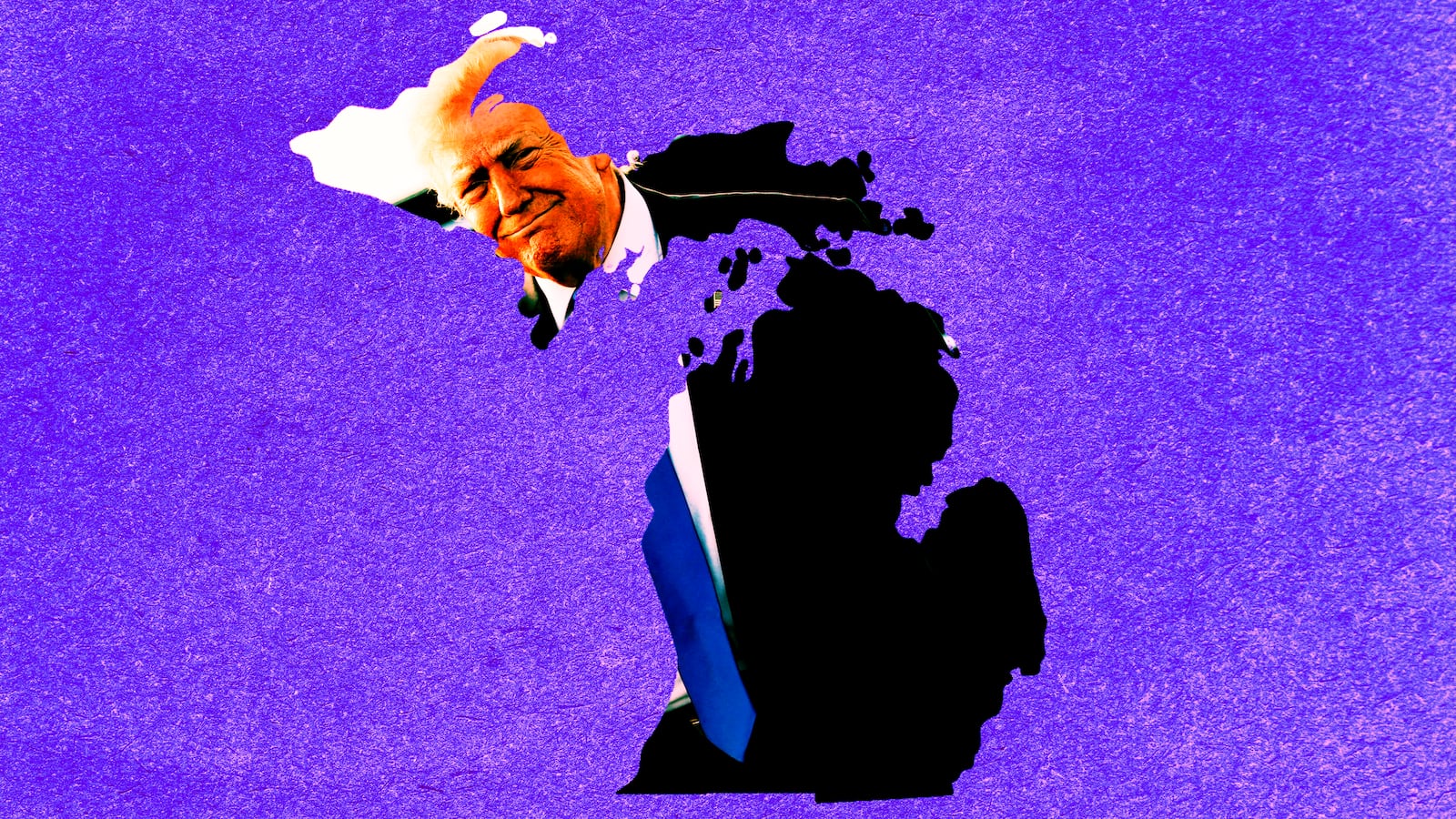
Democrats are fighting to hold onto their slim state Senate majority in Michigan with a special election next week that’s being viewed as an early test of Trump’s power in a battleground state he won by less than 1.5 points in 2024.
The 35th Senate district seat has sat empty for nearly 18 months since Democratic Rep. Kristen McDonald Rivet was elected to Congress.
Democratic candidate Chedrick Greene, Republican Jason Tunney and Libertarian Ali Sledz are facing off in the election set to take place on Tuesday, May 5.
Republicans broke Democrats’ trifecta in the state in 2024 by retaking the House majority. Democrats hold just a one-seat majority in the state Senate 19 to 18.
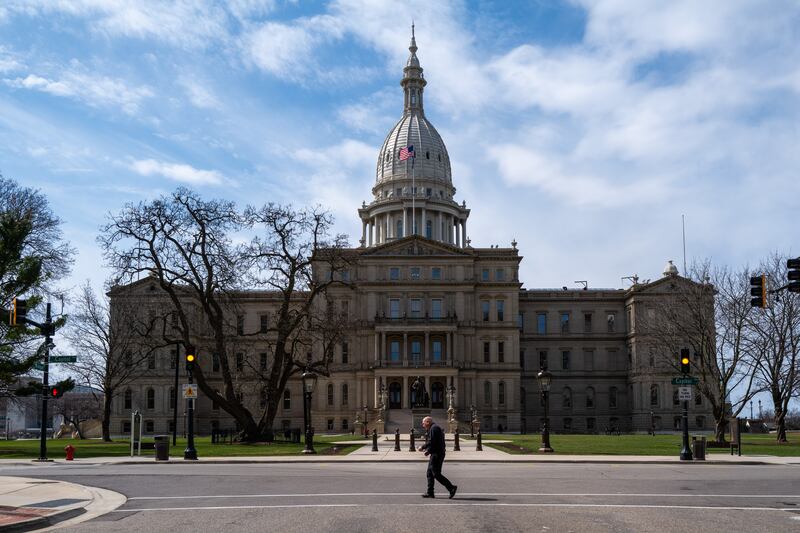
If Republicans win the open Senate seat, the Michigan Senate will be tied 19 to 19. Democratic Lt. Governor Garlin Gilchrist II would hold the tie-breaking vote, but it would give Democrats zero wiggle room as they must have every member available to vote in person. DLCC President Heather Williams called it “one of the most competitive districts in the country.”
With that in mind, both candidates have been waging a fierce fight to the finish line as the state is also a major battleground in the 2026 midterms.
Harris narrowly won the district by barely 50 percent in 2024, but it includes parts of Saginaw, Bay, and Midland counties, all three of which Trump won in 2024. Democrats are bullish that they can win the district and are looking for margins that will help boost them heading into the midterms.
Their candidate, Greene, is a 30-year Marine veteran and Fire captain, who launched his campaign last September. Campaigning on the ground, he’s hearing the same voter frustrations that have been fueling Democrats nationally.
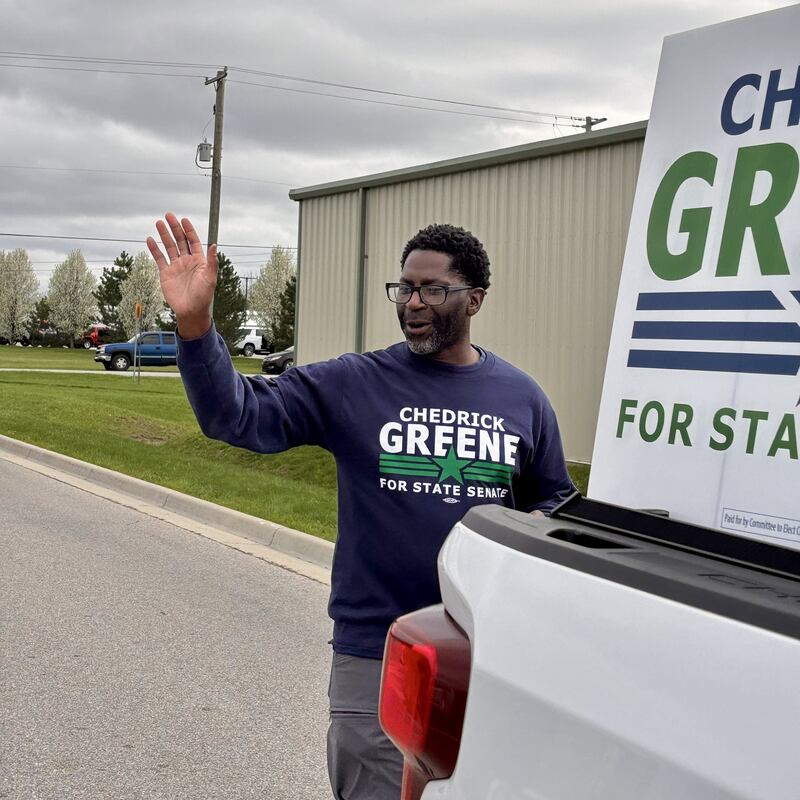
“It sounds so cliche, but it is about affordability,” Greene told the Daily Beast, who said the biggest concerns from people are everyday costs going up, especially energy and fuel costs right now.
As the war continues against Iran, Greene said it’s not the main focus of voters in the district, but they are connecting the dots.

“They do see that the war, the conflict in Iran, that they estimate will cost us $1 billion a day, and you ask for an additional $200 billion, but yet you say we’re cutting waste, fraud and abuse, when what you cut was Medicaid, and you cut SNAP benefits that help these people in my district,” Greene said.
Greene noted that cuts are not just being felt in cities but also in the suburban and rural areas. He added that it then falls on the state legislature to figure out how to create a budget without the same federal resources.
“We have to make that up for our residents, and so now we have to cut other programs that are beneficial to some but not conducive to all,” he said. “It is a trickle-down effect.”

Greene warned that he’s not just hearing from revved-up Democrats but also from Republicans in the local community as he hits the campaign trail.
He claimed that some disenfranchised GOP voters have told him: “‘Hey, you know the president said he’s going to do XYZ, and I believed him, and he’s done zero of those things. He’s only went the opposite way. He’s only put money back into his friends’ pocket.’”
The last time Trump visited Michigan was for an economic speech in January. Before that, he was there over a year ago when he marked 100 days in office in April 2025.
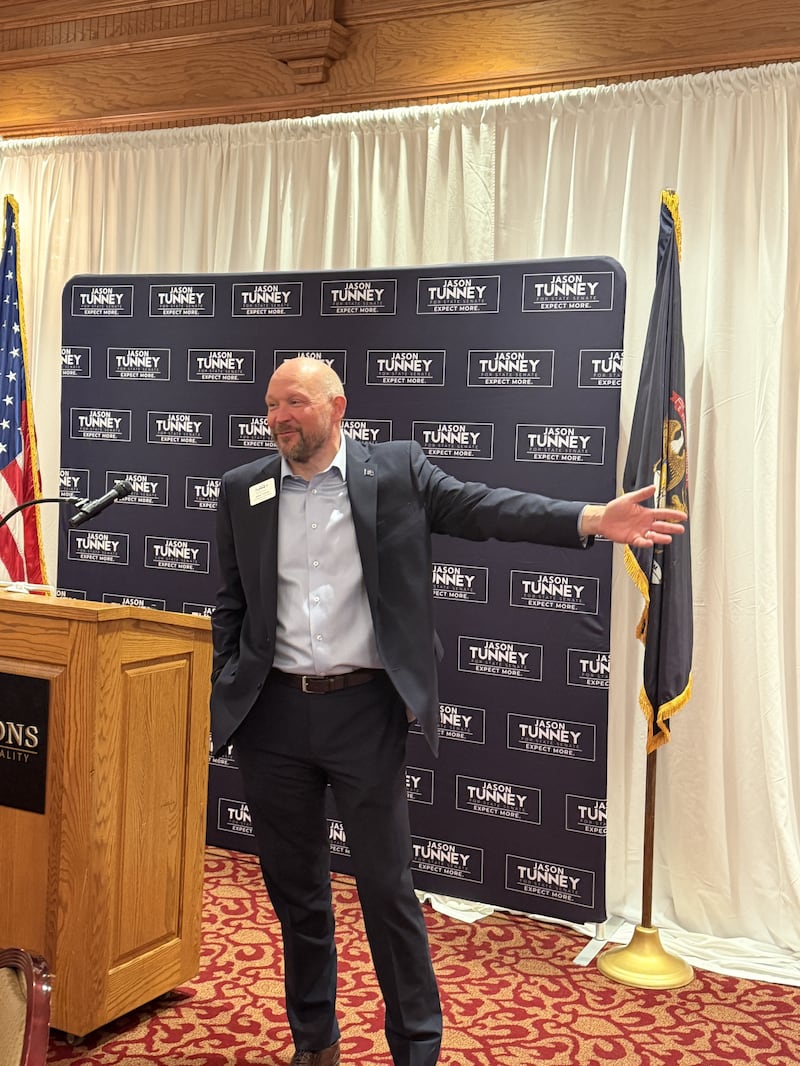
Tunney, unlike some other Republicans who have run in special elections across the country, has a website and social media devoid of references or images of Trump. The attorney has been focused on school choice, making Michigan a right-to-work state and tax reform.
But with the stakes high, both candidates have been bringing out some heavy hitters from the party.
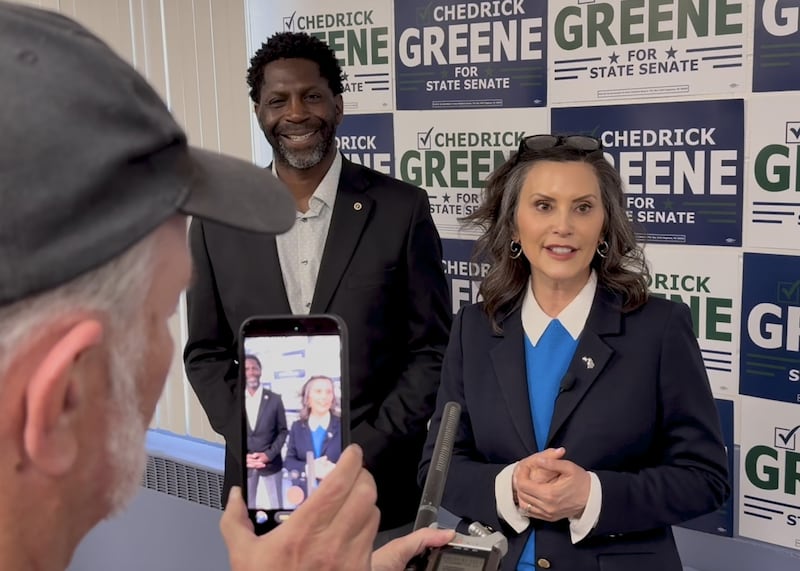
Gov. Gretchen Whitmer campaigned with Greene ahead of the special election while Republican Senate candidate Mike Rogers has gone to bat for Tunney.
The special election comes as Democrats have won a series of special elections across the country and flipped 30 state-level legislative seats since Trump returned to office, including in red states.
A series of recent polls show Democrats with an increased chance of seeing a blue wave this November as Americans have soured on the president, but Michigan could indicate just how far the political landscape has shifted in battlegrounds ahead of November.