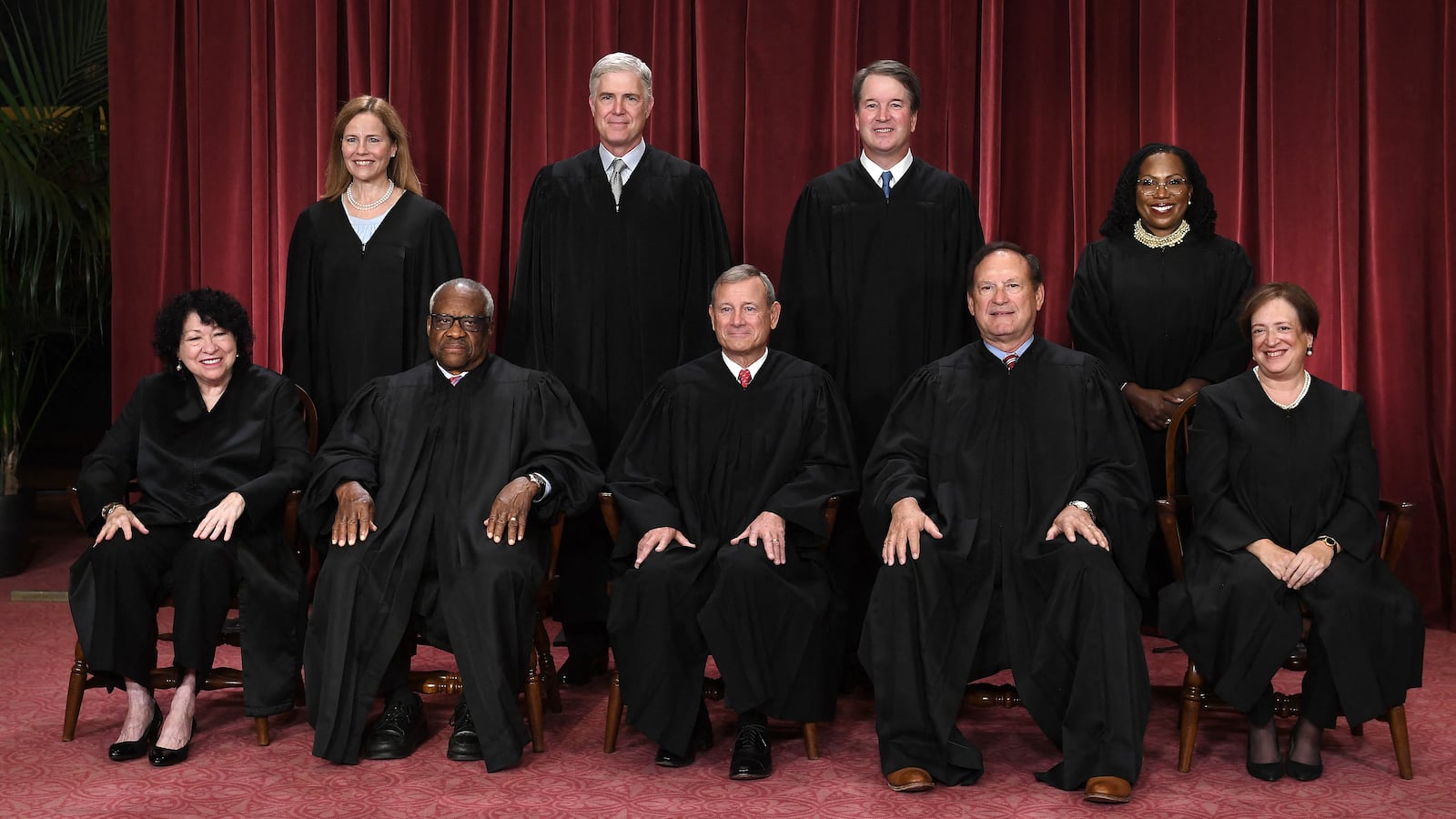
A majority of Americans now disapprove of how the United States Supreme Court is doing—and nearly half think the bench is making rulings based on ideology, not law.
That is according to a new Washington Post/Ipsos poll, which shows that sentiment toward SCOTUS is souring after a raft of Trump-friendly decisions in June.
According to the survey, 55 percent of Americans disapprove of the court. That is creeping back toward the 58 percent disapproval rating recorded in the immediate aftermath of the overturning of Roe v. Wade in 2022.
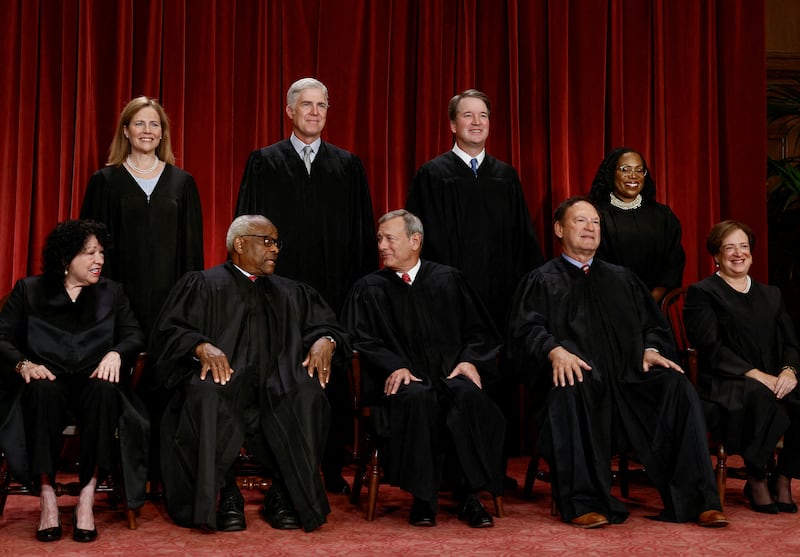
The latest dip in trust for the high court comes as it has repeatedly ruled in favor of President Donald Trump’s wishes this term.
In the most recent session, the court strengthened executive power, allowed the government to turn back refugees and deport legal immigrants from specific countries, and upheld a ban on transgender athletes competing in school sports.
Of those surveyed who thought the court had a bias, around 66 percent believed the bias was in favor of Trump, 17 percent said the court was neutral, and the other 17 percent believed the court ruled against Trump’s interests.
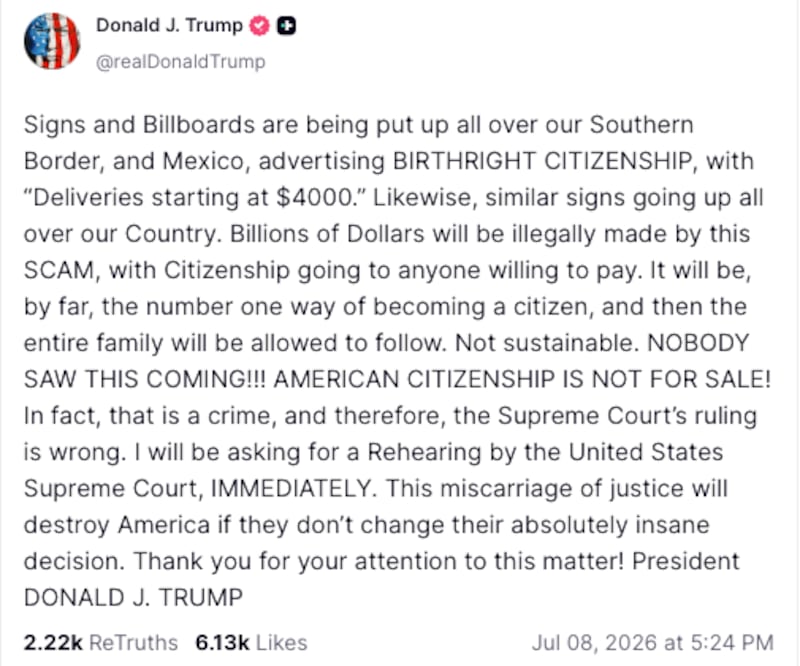
Trump, 80, has raged in recent weeks against the Supreme Court’s decision on his executive order that attempted to bypass the 14th Amendment and strip certain U.S. citizens of their birthright citizenship. It also struck down Trump’s tariffs and found he could not fire a Democrat on the Federal Reserve board.
“The Supreme Court’s ruling is wrong. I will be asking for a Rehearing by the United States Supreme Court, IMMEDIATELY. This miscarriage of justice will destroy America if they don’t change their absolutely insane decision,” Trump raged in a long post on Truth Social about the birthright citizenship decision.
Opinions about the court are heavily divided along ideological lines, with around 66 percent of Republicans surveyed saying they approve of the court and 75 percent of Democrats disapproving; 60 percent of independents also disapprove.
The poll found that only 25 percent of voters surveyed believed the justices on the bench ruled based on the law, while 46 percent believed they are ruling based on political ideology.
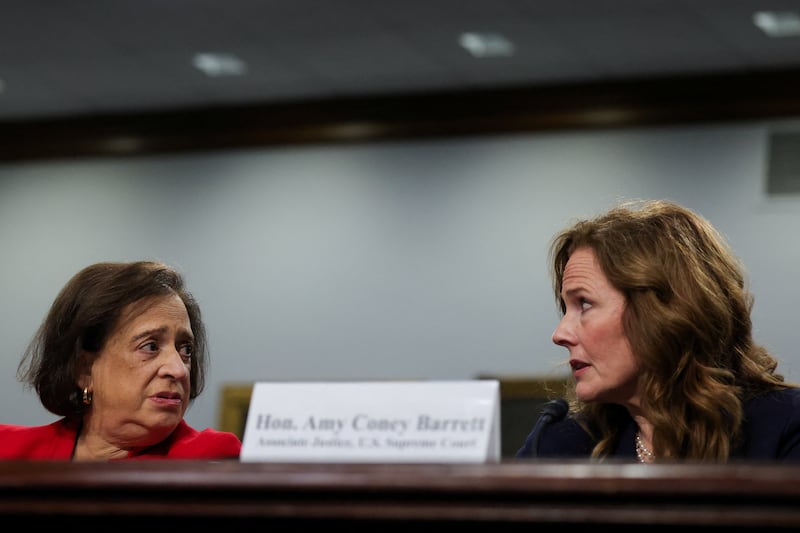
Justices on both sides of the divide have recognized the need to act to restore faith in the institution, but they differ on the mechanism.
At a committee hearing last Tuesday, Justice Elena Kagan—an Obama appointee—reiterated her support for independent enforcement of the Supreme Court’s code of ethics, while Amy Coney-Barrett, who was appointed by Trump, said she was “unsure” such lengths were necessary.
“I’m certainly fully committed to the code, as are all of our colleagues, but because of some of the complexities that Justice Kagan identified, I’m just not quite sure,” Coney Barrett told the House Appropriations Subcommittee on Financial Services and General Government last week when asked if she supported independent oversight.