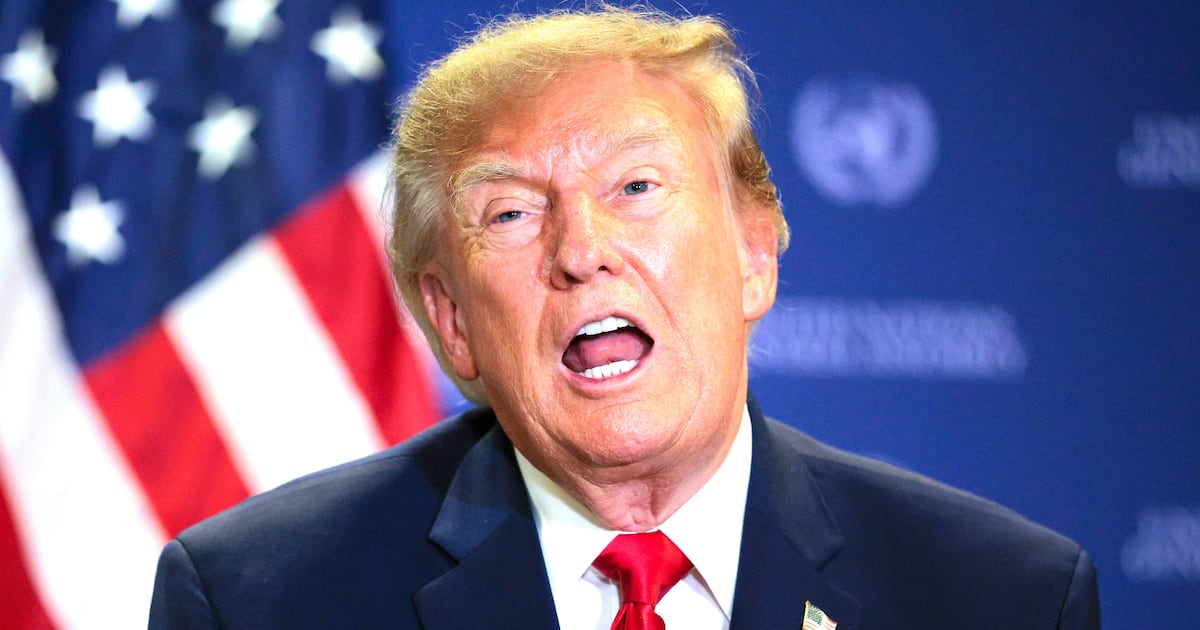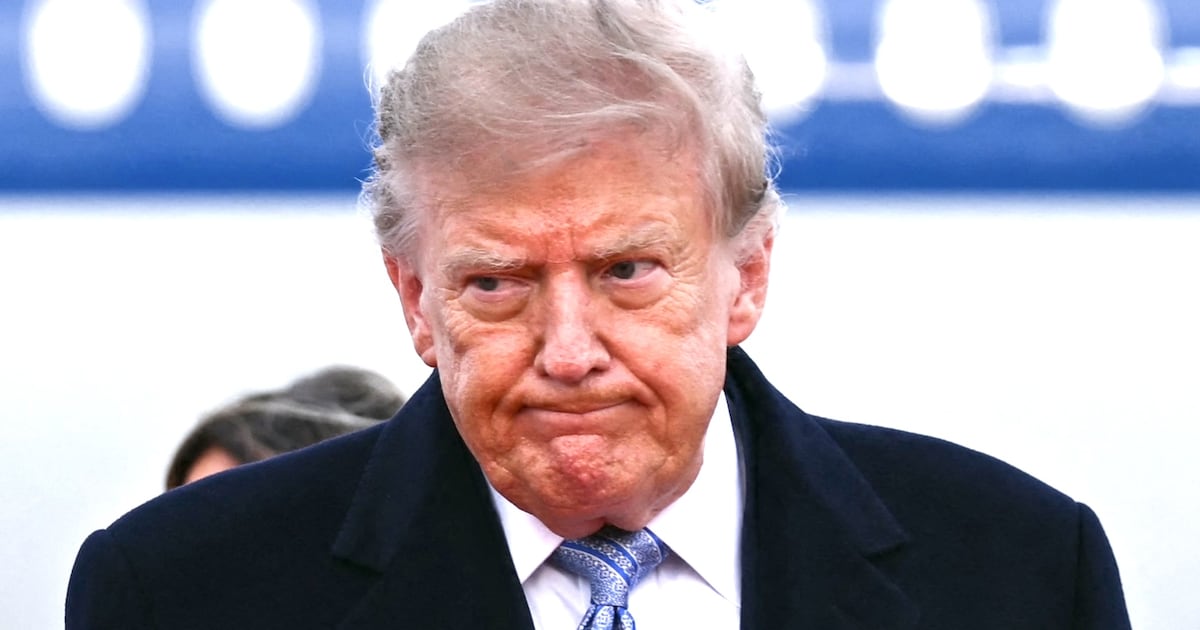
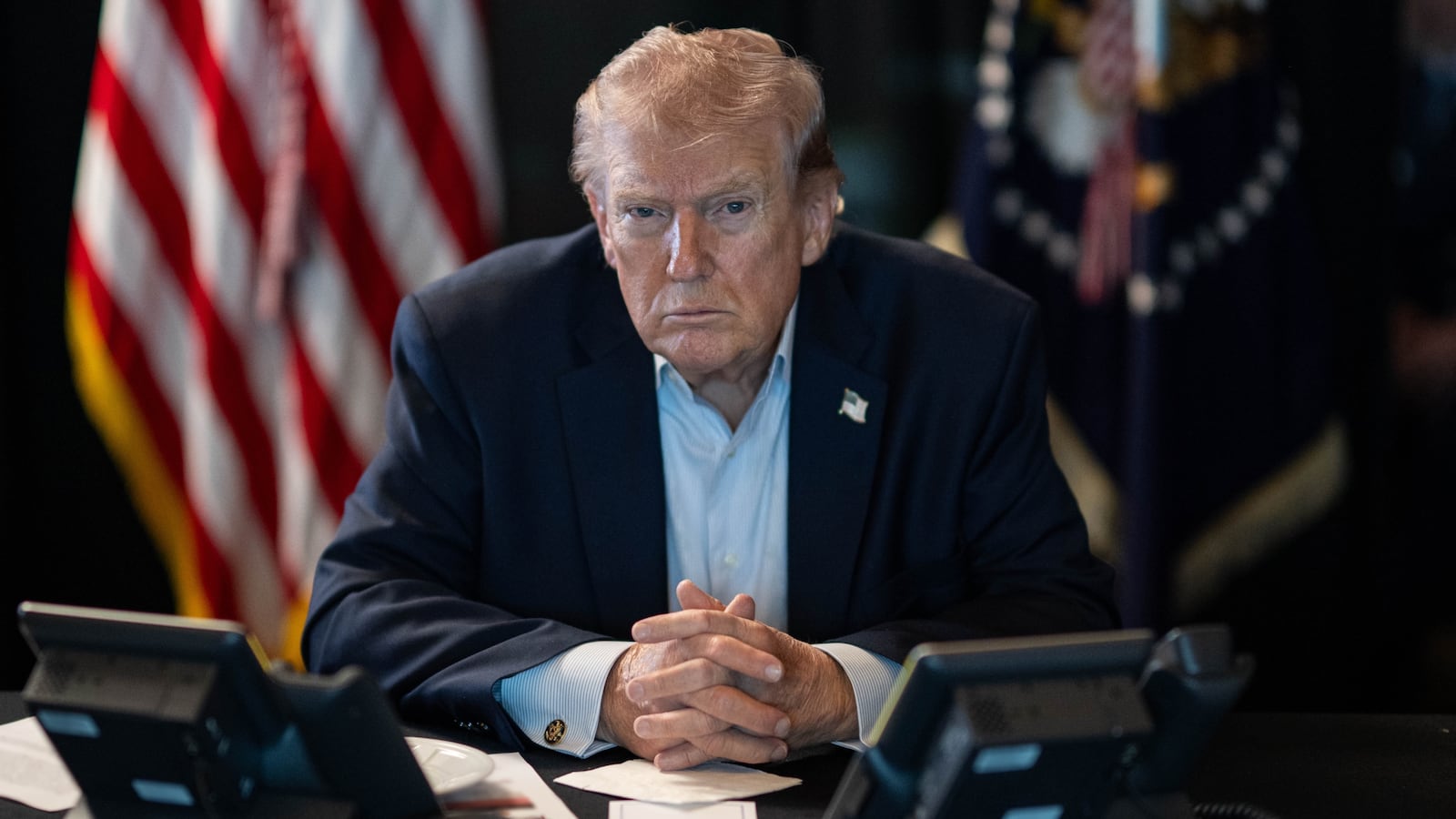
The voters that Donald Trump made the biggest inroads with in 2024 are now the most likely to disapprove of him, according to new polling.
The 2024 election saw Trump make huge headway with groups that had traditionally broken solidly for the Democrats. According to the Strength In Numbers/Verasight survey published this week, conducted between May 2025 and February 2026, Black, Latino, working-class, and young voters who backed the president are turning away from MAGA.
The largest movement came among younger voters. In 2020, voters ages 18 to 29 favored Democrats by a wide margin, 61 percent to 36 percent. By 2024, that gap had nearly disappeared, with Democrats receiving 51 percent of the vote and Republicans 47 percent—a 21-point swing toward the GOP.
Black voters also shifted somewhat toward Republicans. Democrats won the group 91–8 in 2020, but that margin narrowed to 83–16 in 2024—a 16-point swing toward the GOP.
Latino voters moved in a similar direction. Democrats’ advantage shrank from 63–35 in 2020 to 55–43 in 2024, another 16-point shift toward Republicans, though Democrats still carried the group. Voters on incomes of $30-49,000 shifted towards the GOP by 8 points.
But these groups are now increasingly likely to disapprove of the president’s job performance.

Only 76 percent of voters ages 18 to 29 who backed Trump in 2024 say they approve of his performance, with 22 percent disapproving.
The gap is also visible among minority and lower-income voters. Hispanic voters who supported Trump in 2024 register 79 percent approval and 19 percent disapproval, while approval among Black voters falls to 65 percent, with one-third disapproving.
Voters earning $50,000 or less also show weaker backing, with 75 percent approving and 21 percent disapproving.
In a statement to the Daily Beast, White House spokesperson Davis Ingle insisted on Trump’s dominance.
“The ultimate poll was November 5th 2024 when nearly 80 million Americans overwhelmingly elected President Trump to deliver on his popular and commonsense agenda,” Ingle said. “The President has already made historic progress not only in America but around the world. It is not surprising that President Trump remains the most dominant figure in American politics.”
Trump’s overall approval rating has been underwater for a long time. CNN pollster Harry Enten said on Wednesday that Trump has now had a net negative approval rating for 365 days in a row.

But his ratings have taken a significant hit since launching an unauthorized war in Iran, which polls show the majority of voters do not support, and concerns about the cost of living.
The latest NBC News poll, conducted between February 27 and March 3 among 1,000 registered voters, showed Trump facing his toughest ratings yet on the economy.
Sixty-two percent of voters said they disapproved of his handling of inflation and the cost of living, with only 36 percent approving.
Meanwhile, 38 percent of voters said their financial situation is getting worse.
Trump’s war in Iran has also raised concerns about rising gas and oil prices.
The latest Reuters/Ipsos poll, conducted between March 6-9 among 1,021 adults, showed that 49 percent of voters believe the war in Iran will hurt their personal finances, including about a third of Republicans and two-thirds of Democrats.
Meanwhile, concern over fuel costs was widespread: 67 percent of respondents said they expect gas prices to rise over the next year, a view shared by 44 percent of Republicans and 85 percent of Democrats.

The surveys are a red flag for Trump and Republicans ahead of the 2026 midterms, as Democrats seek to capitalize on voter frustration over rising living costs.
Since U.S. airstrikes began on Feb. 28, oil prices have climbed above $100 a barrel for the first time since 2022, pushing gasoline prices up roughly 50 cents a gallon—about a 17 percent increase. Analysts say fuel costs could remain elevated for weeks or months, even if fighting subsides.
Trump has dismissed concerns about the spike, calling the increase temporary and blaming the conflict. In a post on Truth Social, he argued higher prices were “a very small price to pay” for eliminating Iran’s nuclear threat, adding: “ONLY FOOLS WOULD THINK DIFFERENTLY!”