President Donald Trump’s plan to supercharge denaturalizations of foreign-born Americans has bumped up against the realities of the legal system—and the protections it affords U.S. citizens.

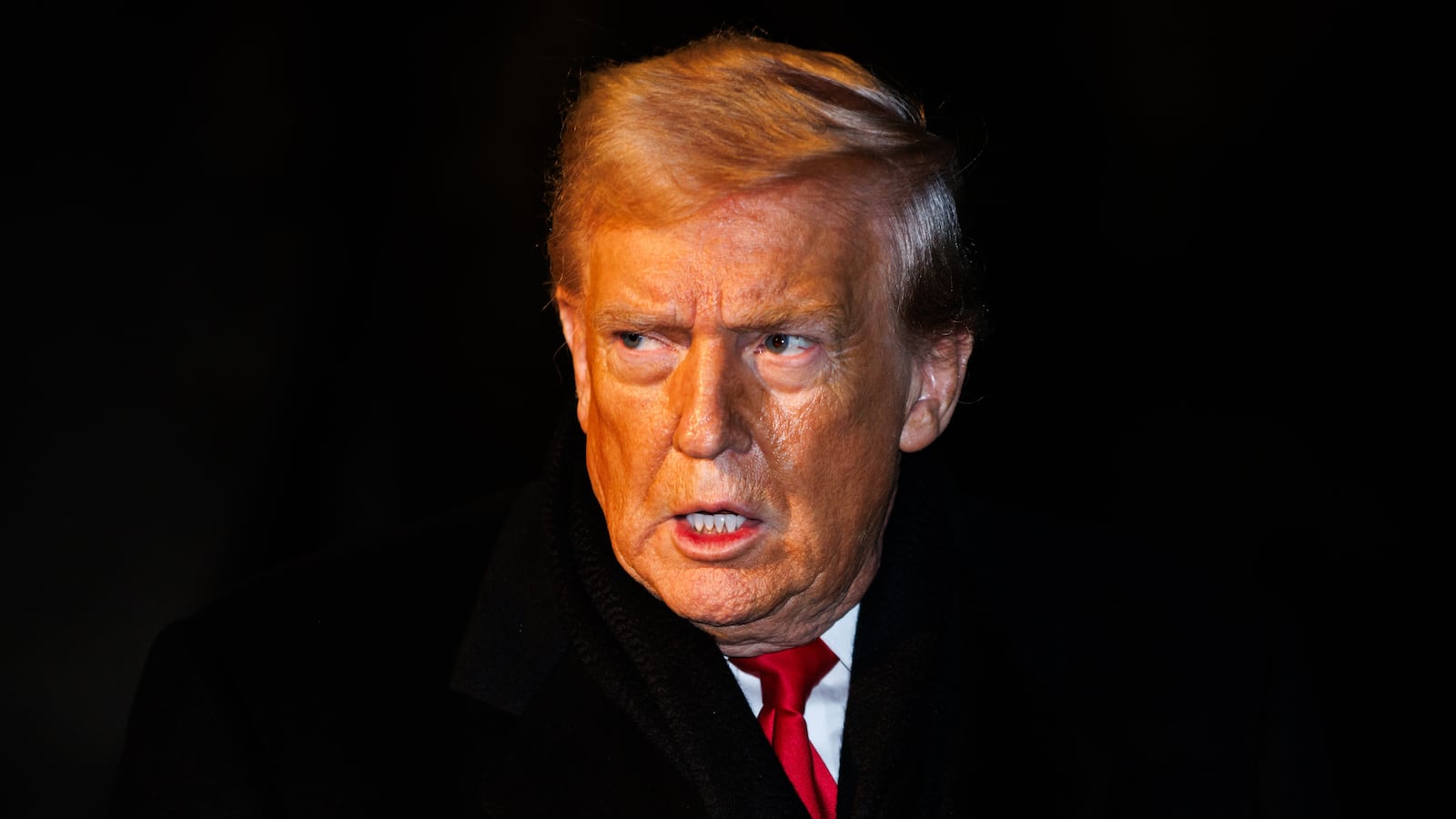
Trump, 79, has vowed to make denaturalization a priority, with the Department of Justice compiling a list of 385 foreign-born Americans it wants to target for denaturalization and pressuring attorneys to accept transfers from other departments to work on the cases.
The administration has filed 35 cases since the start of Trump’s second term, and says it’s “laser focused” on rooting out fraud in the naturalization process.
But the cases filed to date are far narrower than the administration’s aggressive rhetoric suggests, highlighting the legal and practical challenges of stripping Americans of their citizenship, according to a new analysis by National Public Radio.
Naturalized U.S. citizens have much stronger legal protections than immigrants and migrants, who are only entitled to a hearing before an immigration judge employed by the executive branch.
Cases to revoke citizenship must be heard by federal judges and have a high burden of proof, meaning they require more government resources and provide a higher level of due process for the defendants.
The cases have historically targeted people accused of hiding serious criminal activity, including links to illegal terrorist groups, during the naturalization process.
The cases brought by Trump’s DOJ follow that pattern.
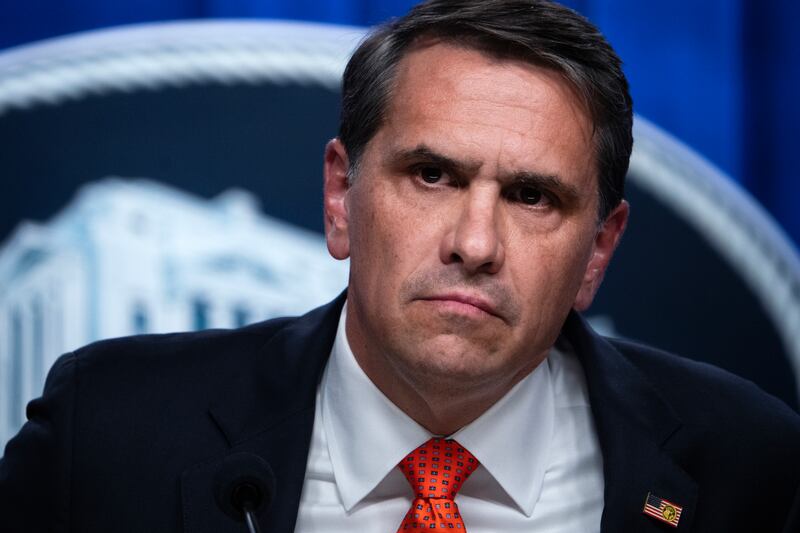
Rather than representing a “major surge of worrisome denaturalizations,” they’re in line with cases that other administrations might have pursued, law professor Daniel Kanstroom of Boston College told NPR.
NPR reviewed 34 cases filed as of May 19 and found that they largely involve allegations of fraud, child sexual abuse, terrorist activity, war crimes, and drug trafficking.
The DOJ has argued that the defendants concealed their criminal activity, which would have disqualified them from demonstrating the “good moral character” required to be granted U.S. citizenship.
In one case, the DOJ successfully argued that a defendant was dealing drugs during his naturalization process and lied about it to gain citizenship.
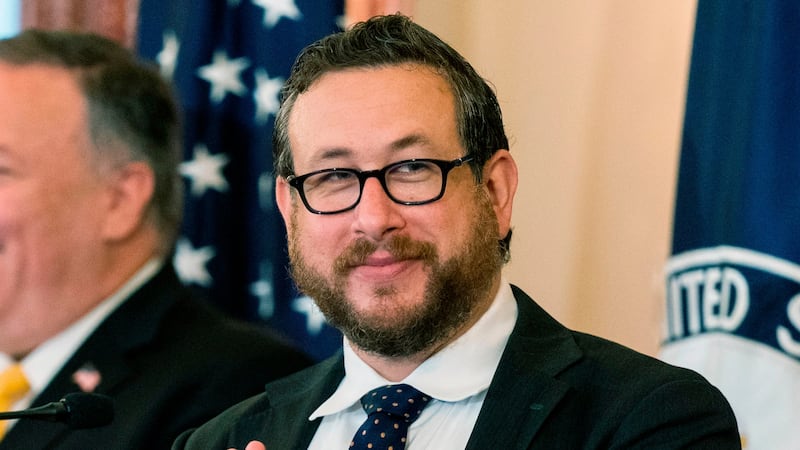
The defendant, a convicted drug dealer named Melchor Munoz, still lives in Florida on a green card and is planning to appeal, according to his attorney, who contests the timeline presented by the DOJ, NPR reported.
A DOJ spokesperson told NPR, “The Department of Justice is laser-focused on rooting out criminal aliens defrauding the naturalization process. We are moving at warp speed to ensure fraudsters are held accountable and prosecuted to the fullest extent.”
The Daily Beast has also reached out for comment.
In many of the cases reviewed by NPR, the defendants didn’t have lawyer and missed court appearances.
Cassandra Robertson, a law professor at Case Western Reserve University, said the government appeared to be choosing cases involving criminal convictions because they’re easier to win, but said the administration’s rhetoric wasn’t limited to those cases.
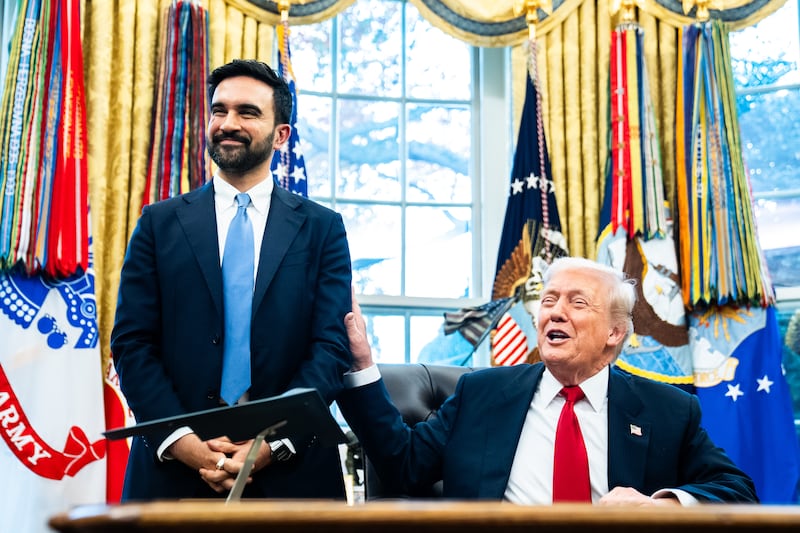
She also told NPR that while she wasn’t “losing sleep” over child abusers who lose their citizenship, other denaturalization cases “are an attempt to suppress the political speech of naturalized citizens.”
Trump and other administration officials have threatened the citizenship of the president’s political opponents, including New York City Mayor Zohran Mamdani and Minnesota Rep. Ilhan Omar.

Civil denaturalization cases in particular offer fewer protections than criminal proceedings, Robertson said.
“Once it becomes easy to take somebody’s citizenship away, it becomes easy to take anybody’s citizenship away,” she warned.