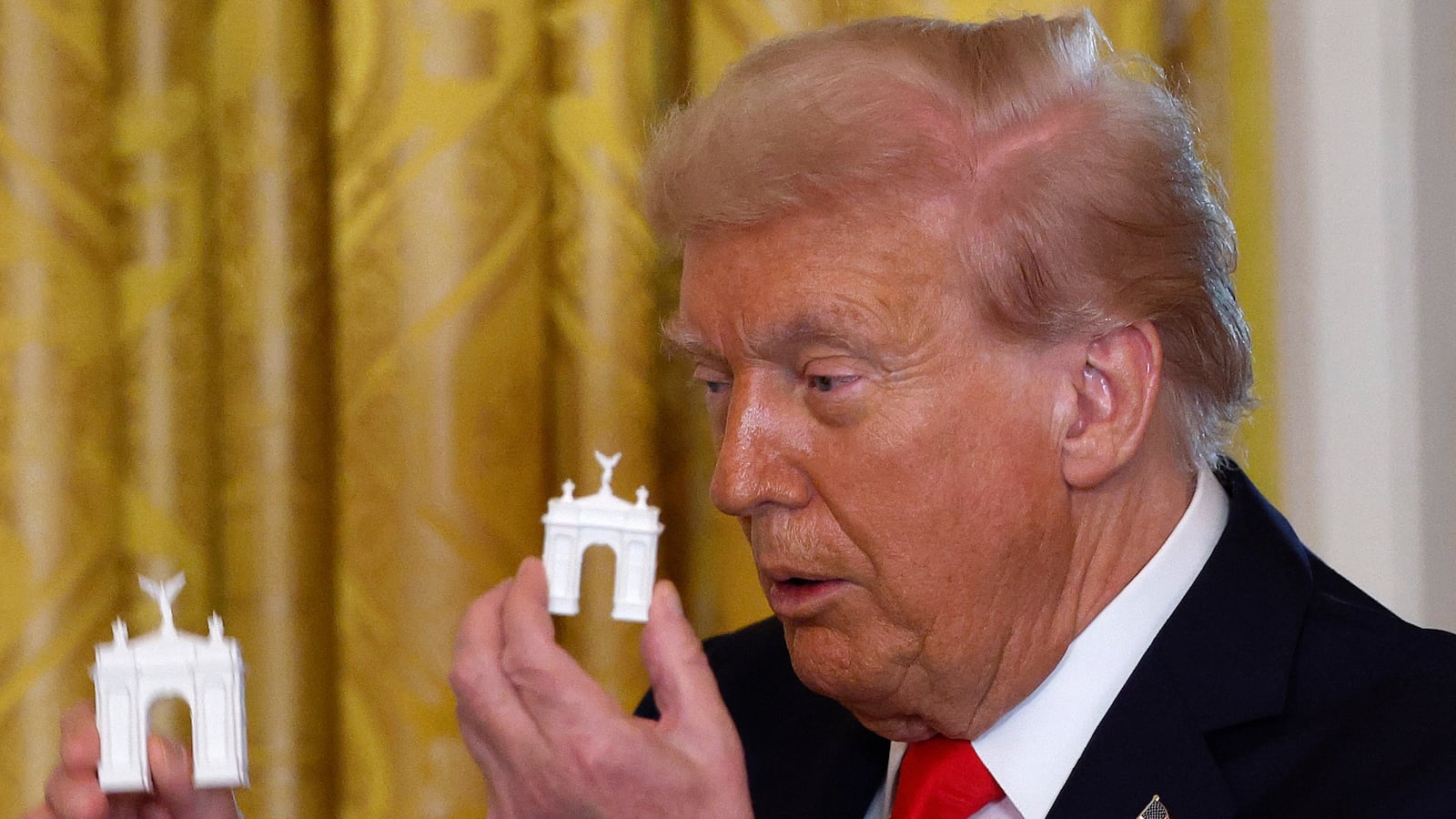
President Donald Trump’s officials appear to have quietly schemed to break ground on his coveted D.C. “triumphal arch” by tacking the job onto an unrelated engineering project.
Messages obtained by the Washington Post shed light on the April correspondence between National Park Service acting director Jessica Bowron and the president’s team.
Bowron asked whether a deal already held with engineering giant AECOM for work on White House grounds could be stretched to cover a survey of the nearly 280-foot monument’s future home.
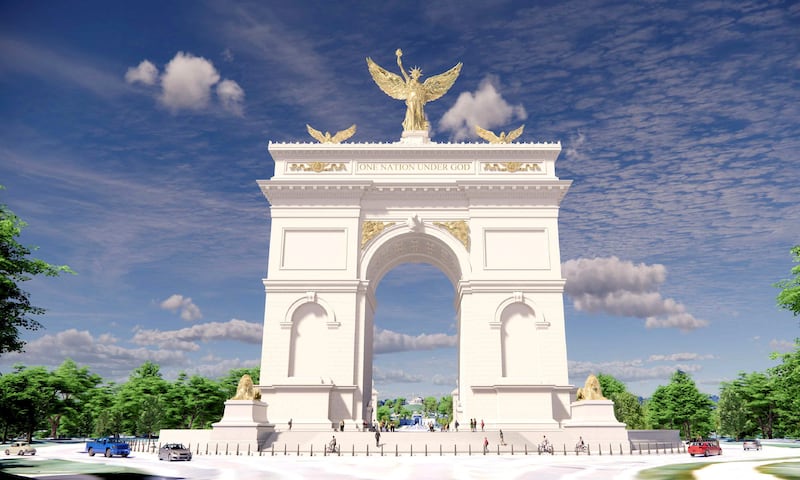
The plot set aside for the arch sits over a mile from the White House. Bowron herself acknowledged that fact in her email, but said that extending the existing contract would allow work on the arch to “align with the administration’s timeline.”
Trump has demanded that work begin on the structure to coincide with America’s 250th birthday later in July.
Tacking the project onto AECOM’s prior contract would potentially allow the administration to bypass a lengthy bidding process for the assessment.
It would also preclude any other companies from competing for the chance.

The Department of the Interior, of which the National Park Service is a part, insists the Post’s “assertion on contract sourcing is incorrect” and has brushed off the leaked exchange as “draft/deliberative conversations.”
An anonymous official nevertheless told WaPo that the agency would likely lean on “existing contracts for the environmental assessment process” given that “it is in the best interest of the government, more convenient and economical.”
Watchdogs aren’t sold. Stan Soloway, a former Pentagon procurement chief, called any tie between existing engineering projects at the White House and the arch grounds “a real stretch.”
Government-contracts attorney Alan Chvotkin added that taxpayers would “lose the benefits of competition, pricing and transparency.”
The Daily Beast contacted the White House and National Parks Service for comment on this story.
A White House spokesperson said the arch project promises to be “one of the most iconic landmarks” in the world. A spokesperson for the Department of the Interior, of which the NPS is a part, called the arch “a project that all Americans can be proud of.”
Neither addressed the allegations outlined in the Post’s report.
The status of any conversations about the proposed shortcut remains an open question following reports on Wednesday that the Federal Aviation Administration is now probing safety concerns over the arch.
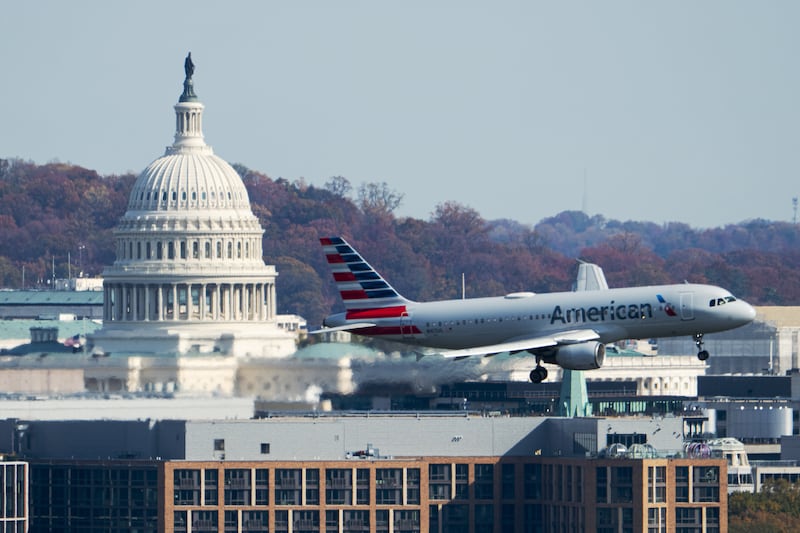
Those concerns stem from the proposed monument’s proximity to Ronald Reagan Washington National Airport.
The airport handles 900 flights a day and has witnessed a number of high-profile collisions over the years, including a crash between a commercial jet and a military helicopter that killed 67 people last January.
FAA regulations state any structure over 200 feet that could potentially interfere with air traffic should be subject to review prior to construction.
That process is supposed to take a maximum of 90 days, but it often stretches beyond nine months.