Experimental Military Weapon Linked to Plane Crash That Killed 4
A plane smashed into the side of a New Mexico mountain the same night that the military was conducting a GPS jamming exercise

The effects of an experimental military weapon have been tied to a New Mexico plane crash that killed four people this year, according to a preliminary NTSB probe.
The doomed Beechcraft King Air C90, flying with two crew members and two paramedics on a medical evacuation flight, smashed into the side of a mountain just before midnight on May 13.
The plane was flying to the village of Ruidoso at the same time the U.S. military was conducting a GPS jamming exercise at the nearby White Sands Missile Range, which prevented anyone within hundreds of miles from using modern navigation systems.
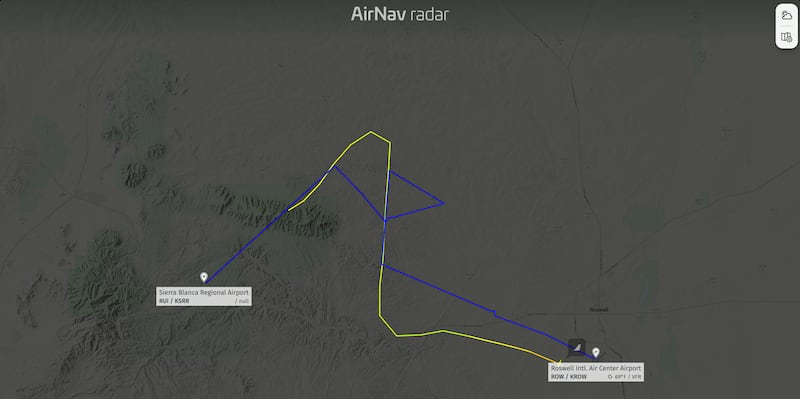
The crew was supposed to travel from Ruidoso to Albuquerque.
AirNav radar
The crew—composed of Captain Keelan Clark, 30; First Officer Ali Kawsara, 23; nurses Sarah Clark, 33; and Jamie Novick, 33—became disoriented when they had to revert to older tech and ended up crashing into the side of a mountain. No one survived.
“They were family, caregivers, aviators, teammates, and friends who dedicated their lives to serving others with compassion, professionalism, and courage,” Trans Aero MedEvac and Generation Jets, which operated the flight, said in a statement.
Sign Up for The Swamp Newsletter
By clicking “SUBSCRIBE” you agree to our Terms of Use and Privacy Policy.
The disaster marked the first time that GPS jamming contributed to the crash of a civilian aircraft in the U.S., according to WIRED. The accident has sparked concern about the impact of new military tech—which is increasingly being trialed to combat enemy drones—on civilian aviation.
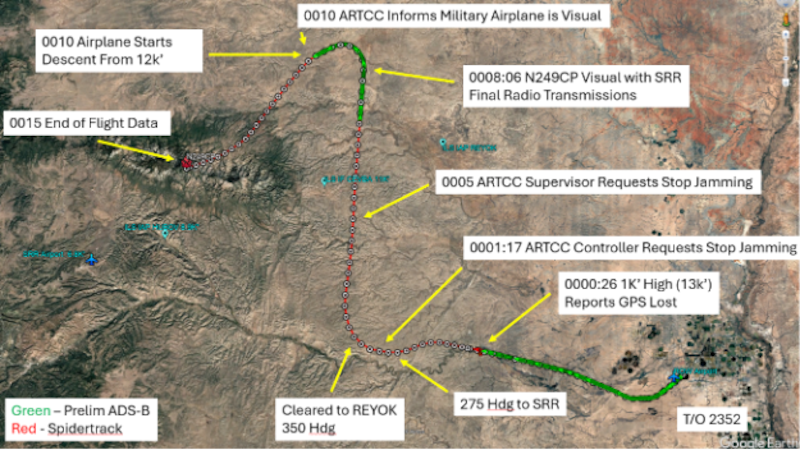
NTSB’s preliminary report detailed the events that led to the crash.
National Transportation Safety Board
The NTSB’s preliminary report detailed the events that led to the horrific deaths, but the actual cause of the crash will not be determined until the final report is completed next year.
“The NTSB has not yet determined the probable cause or any contributing factors to the accident,” an FAA spokesperson told the Daily Beast in a statement. “NTSB investigators collect, validate and analyze all available evidence before reaching any conclusions.”
The Defense Department referred the Daily Beast to the Army, which declined to comment.
Experts told the Daily Mail that GPS disruption alone shouldn’t cause a plane to crash since pilots can rely on ground-based or visual navigation.

“The loss of GPS should not result in the loss of an airplane, so there’s got to be more to it than that,” retired airline pilot John Cox, CEO of Safety Operating Systems, told the outlet.
Aviation safety expert Steve Arroyo, meanwhile, said GPS is especially crucial in mountainous terrain.
“GPS can bring you in precisely with a margin of safety that’s required and bring you down for landing. But if you don’t have GPS, you can’t make that approach within those margins, and you may drift outside using conventional navigation,” the longtime United Airlines pilot said.
See more of our coverage in your search results.

Got a tip? Send it to The Daily Beast here.
Register below to read this article for free or subscribe
to unlock unlimited access to The Daily Beast.
Monthly
$1
First month then $5.99/month
Annual
$35
First year then $59.99/year
Premium
$79
First year then $119.99/year
*Substack access provided by the next business day, using your subscription email. Choosing the Premium plan constitutes your permission to share your subscription email with Substack and your agreement to Substack’s Privacy Policy.
Already have an account? Sign In
Looks like you already have a subscription!
You're all set!
Thanks for subscribing.
Sign in or create an account
Login dialog
Loading comments…