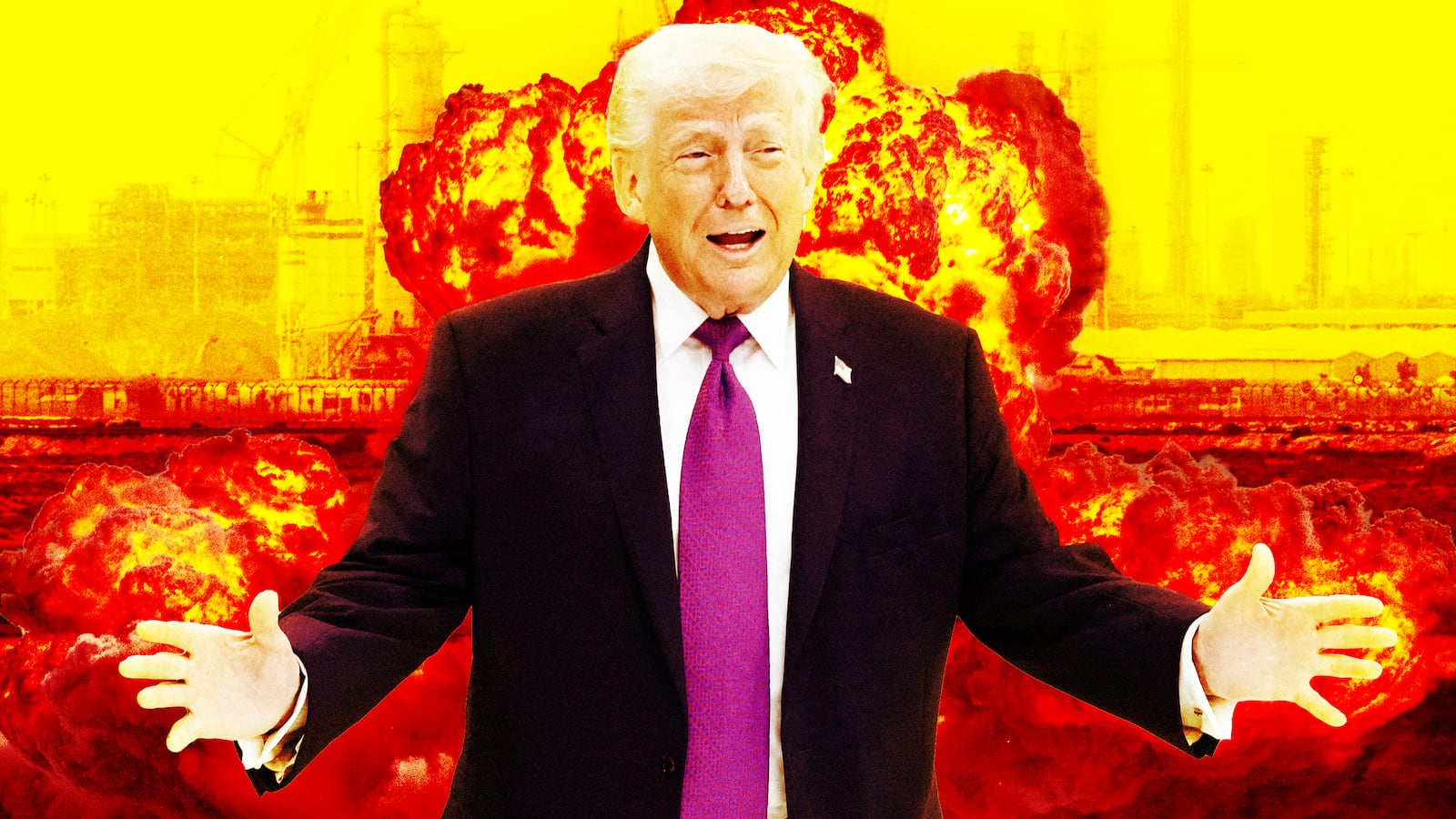
Traders and analysts are warning that President Donald Trump’s war in Iran could rattle the energy market for months to come because of a strike on a critical facility in the Middle East.
An Iranian missile hit Ras Laffan in Qatar, home to the largest liquefied natural gas, or LNG, export facility in the world. In total, Ras Laffan supplies about a fifth of the world’s supply.
“I woke up this morning and thought, ‘No, please no,’” Anne-Sophie Corbeau, a former head of gas analysis at BP who is now at Columbia University’s Center on Global Energy Policy, said.
“This has always been my nightmare scenario, my Armageddon scenario, the one I didn’t want to happen,” she added.
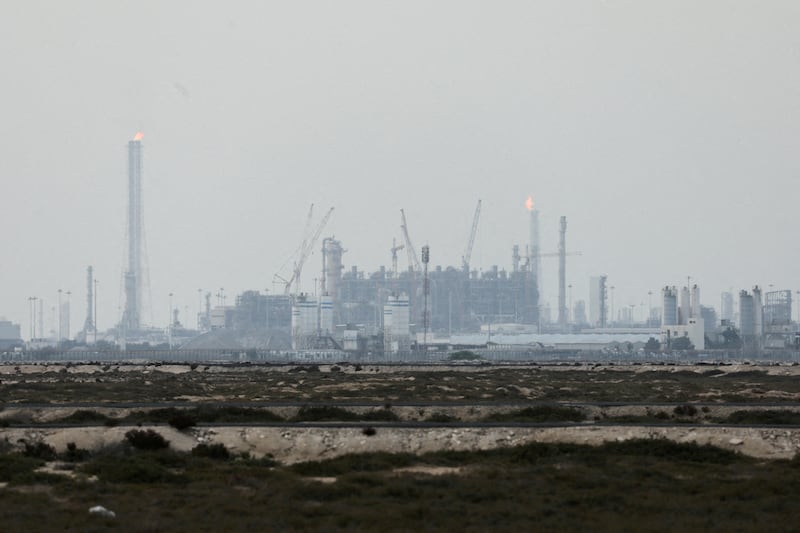
LNG sites are among the most complex structures ever built, and Ras Laffan took three decades to complete.
Qatar said the plant has “extensive damage” as a result of the strike, and said it has the right to retaliate as the attack represented a “direct threat to its national security and regional stability.”
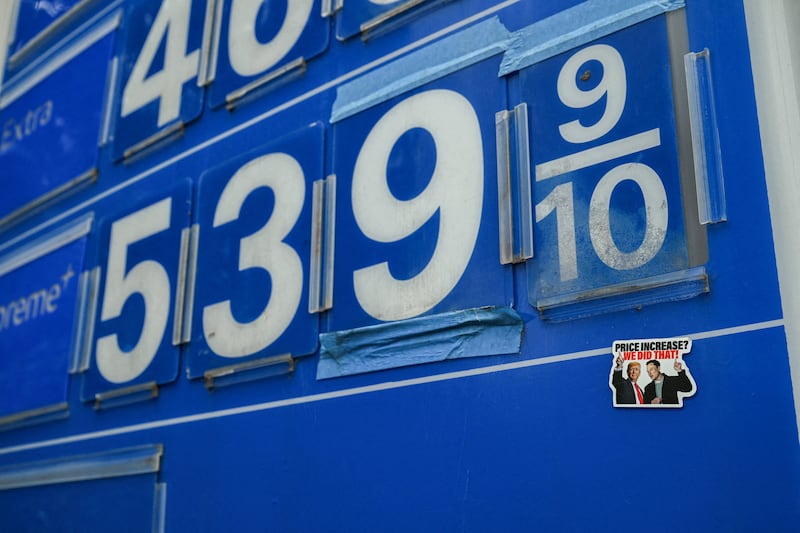
Gas prices in Europe skyrocketed when the markets opened Thursday, as traders assessed the lasting impacts that damage to Ras Laffan will have on gasoline prices.
Laurent Segalen, a clean energy investment banker, told the Financial Times, “It is apocalypse now. The coming months for gas importers are going to be a bloodbath.”
“A retaliatory attack on Ras Laffan is exactly what the global natural gas market feared the most,” Tom Marzec-Manser, Europe gas and LNG director at consultancy Wood Mackenzie Ltd, said.
After Israel struck a natural gas processing facility in Iran, South Pars, the Iranian Revolutionary Guard had made threats to attack energy facilities of the United States’ strategic partners in the region, including Qatar, Saudi Arabia, and the UAE. South Pars is mainly used for domestic production in Iran, and supplies 80% of the country’s energy needs.

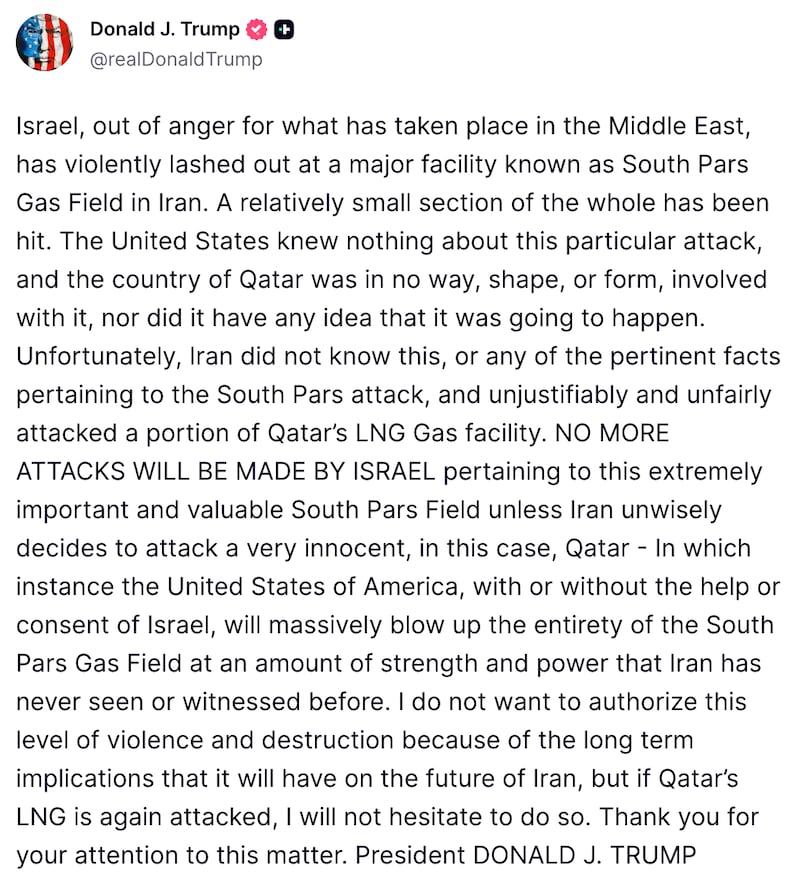
In a threat made via Truth Social, President Donald Trump said he was prepared to “massively blow up the entirety” of the gas field if Iran attacked Qatar again.
“I do not want to authorize this level of violence and destruction because of the long-term implications that it will have on the future of Iran,” Trump wrote, but added he would “not hesitate to do so.”
In the same post, he also claimed Israel had not warned him about the attack ahead of time, despite reports suggesting otherwise.
The attacks on energy infrastructure are exacerbating the already widespread energy supply disruption that has been brought by the Iran war. Crude and natural gas prices have only increased since the war began on Feb. 28.
The strikes on key energy infrastructure come as shipping through the Strait of Hormuz has already seen a steep decline due to Iranian attacks on cargo ships. Before Trump launched his deadly war nearly three weeks ago, about 20 percent of the world’s shipments passed through the Strait.

The Trump administration has expressed little sympathy for American consumers bearing the weight of the increased prices as a result of the war.
Trump admitted on Thursday that he actually thought oil prices would be even worse for consumers than they already are.
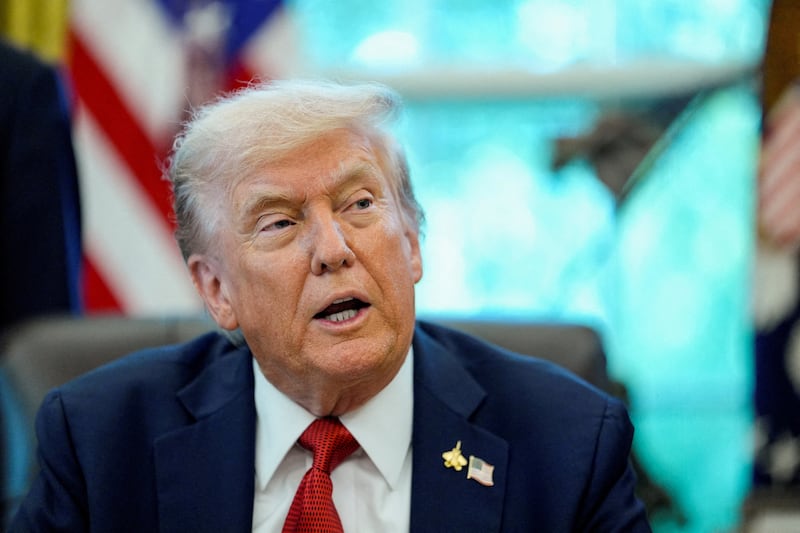
“I saw what was happening in Iran and I said, ‘I hate to make this excursion but we have to do it,’ and I actually thought the numbers would be worse,” Trump said in the Oval Office.
Earlier this week, the director of the National Economic Council, Kevin Hassett, said consumer costs were the least of his concerns.
“If it were to be extended, it wouldn’t really disrupt the U.S. economy very much at all,” Hassett said on CNBC of the war. “It would hurt consumers, and we would have to think about if that continued, what we would have to do about that, but that’s like really the last of our concerns right now.”