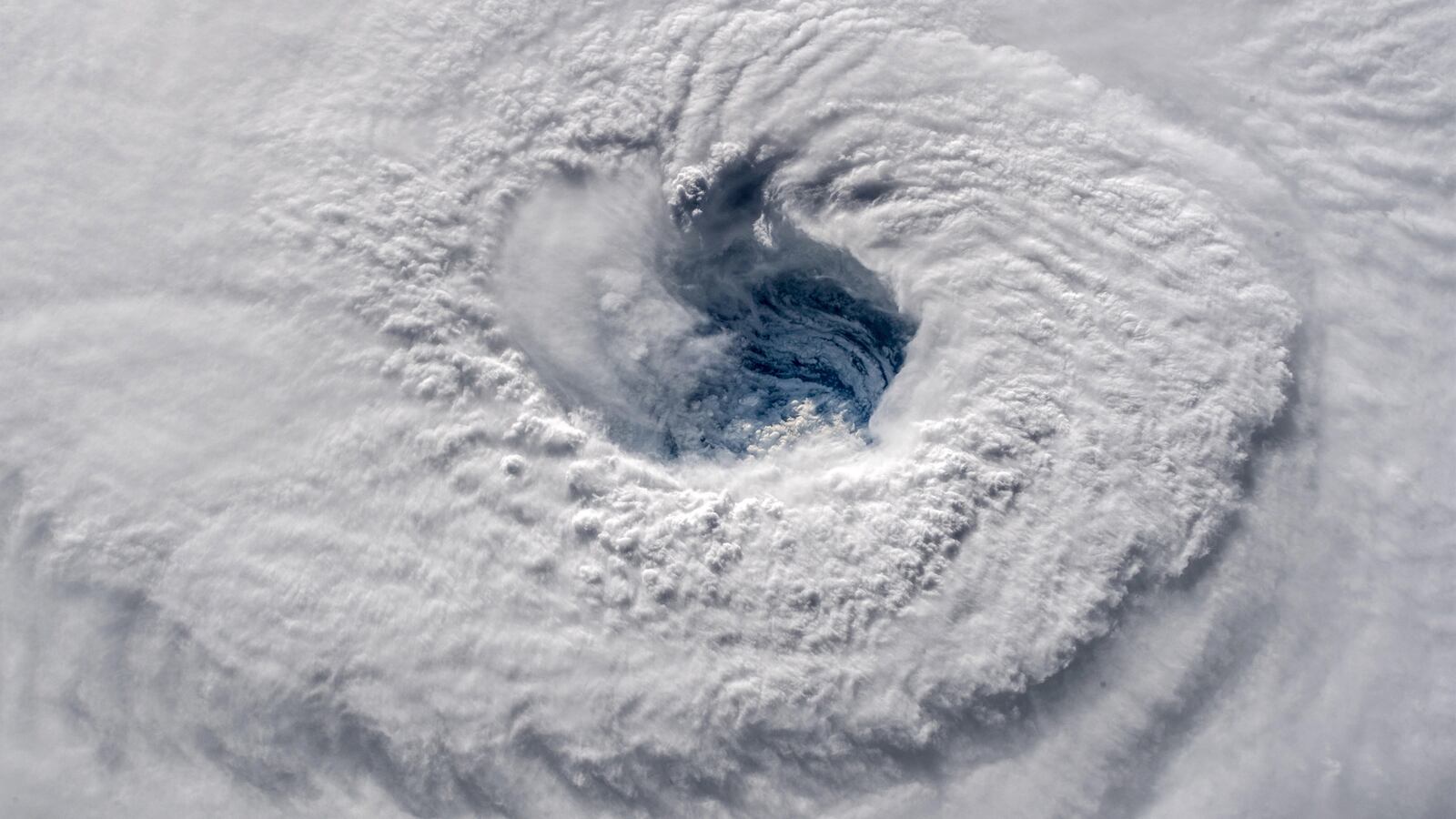
Hurricane Florence is still going to bruise the coastal mid-Atlantic despite the fact that it has a “2” alongside her name instead of a “4.” The storm was downgraded on its category status but that only captures some of the ways that Florence can hurt you. When it comes to hurricanes, there are still plenty of metrics to measure how dangerous a storm is and Florence has more than her fair share..
Welcome to Rabbit Hole.
It’s not just the wind speed: The Saffir-Simpson scale used to categorize hurricanes measures wind speed. Slower wind speeds certainly reduce Florence’s potential for damage but oftentimes the most dangerous part of a hurricane isn’t the winds—it’s the storm surge.
The dire storm surge forecasts for Florence mean that it’s still a potent threat despite the slowing winds. The National Hurricane Center forecasted on Wednesday that Florence’s storm surges will be “similar to that of a more intense, but smaller, hurricane” because its wind field—defined as the the spatial pattern of its winds—was still growing. At a press conference on Thursday, North Carolina Gov. Roy Cooper said Florence’s wind field covered approximately 200 miles and that the storm could produce surges as high as 13 feet.
Where Florence ranks: How does Florence compare with other notorious storms? The highest storm surge during Hurricane Katrina came in Pass Christian, Mississippi at a whopping 27.8 feet—the largest recorded in American history. Maria registered storm surges of between six to nine feet. As far as wind speeds, the peak of Florence’s maximum sustained winds before it slowed was around 140 miles per hour. Katrina topped off at 173 miles per hour before slowing down as it hit land and Matria topped off at 175 miles per hour.
If you’re looking for a single metric to capture a hurricane’s overall power, integrated kinetic energy or IKE measured in terrajoules is your best bet. Weather Underground has a great ranking of the IKE scores for various mega storms. Katrina’s IKE score was 116 while Florence ranks at about 70, just slightly behind Maria’s 76.
Tension on the front lines: Secretary of Homeland Security Kirstjen Nielsen isn’t getting along with her FEMA chief at a time when a good working relationship between the two is critical. Politico reported that director Brock Long has been getting improperly reimbursed by the government for his travel back and forth to his home in North Carolina. The travel habits have earned him both a Homeland Security Inspector General’s investigation and a poisonous relationship with Nielsen, who by some accounts asked him to resign over the issue.
About that bottled water: Nor is Long’s travel issues the only controversy surrounding FEMA. Officials are on the defensive about their performance in the recovery effort after Hurricane Maria, following a public outcry over pictures of a runway’s worth of bottled water pallets sitting unused as Puerto Rico struggled to get clean water. FEMA deputy administrator Daniel Kaniewski told CBS that the agency moved the bottled water onto the runway because it “saved us tens of millions of dollars" in storage costs. Director of disaster operations Marty Bahamonde told the network that FEMA sat on the water because of a reduced demand from the Puerto Rican government as water infrastructure came back online.
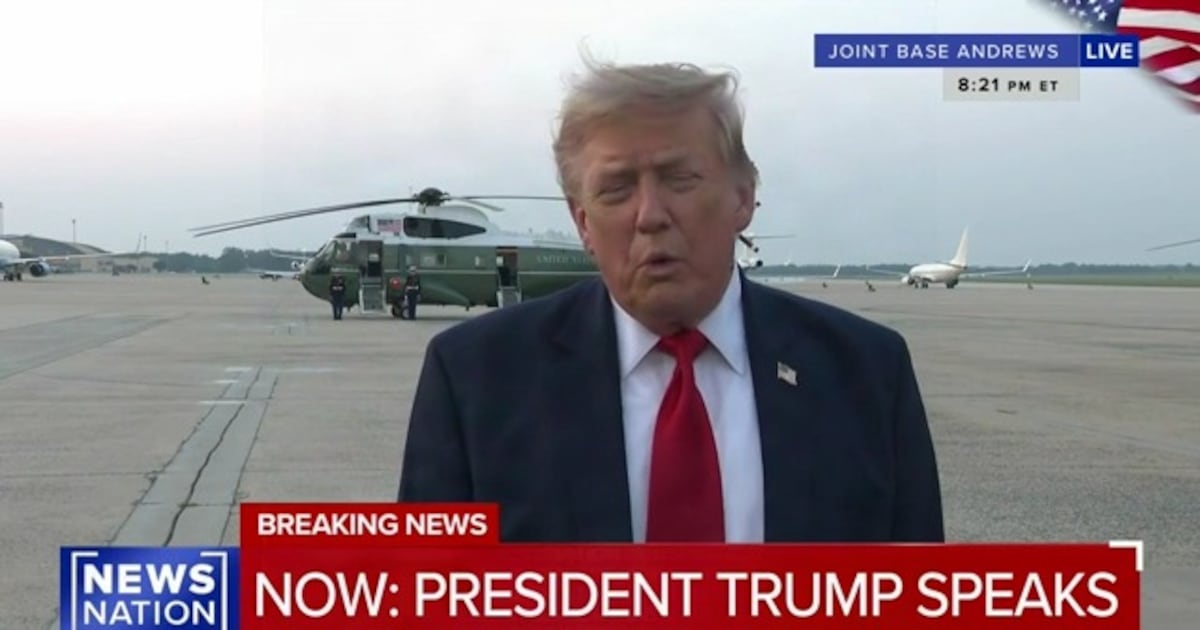
Please shut up: President Trump stepped it in with this thumbs once again on Thursday and tweeted an angry denial of reputable estimates that roughly 3,000 people died as a result of Hurricane Maria.
Florida’s Republican governor Rick Scott gave Trump’s comments on the death toll from Maria a rare public rebuke on Twitter. “I disagree with @POTUS– an independent study said thousands were lost and Gov. Rosselló agreed, he tweeted. “I've been to Puerto Rico 7 times & saw devastation firsthand.” Nor is it just Nelson pushing back on the president’s Puerto Rico attacks. Rep. Ron Desantis (R-FL), who’s currently running to take Scott’s old job as Florida governor, issued a statement saying he’s “committed to standing with the Puerto Rican community, especially after such a tragic loss of life” and that he “doesn't believe any loss of life has been inflated.”
Getting on the wrong side of Trump is dangerous for elected Republicans—just ask incumbent congressmen like Rep. Mark Sanford who have lost primaries to more rabidly pro-Trump challengers. So why is Scott showing daylight between himself and the Donald? Demographics. The devastation caused by Hurricane Maria lead roughly 135,000 Puerto Ricans to leave the island and resettle in Florida. With Scott and DeSantis facing a tight races for the senate and governor’s office, they don’t want to be on the wrong side the state’s newest voters.
Hurricane hunters (online edition): If you’re looking to monitor Florence’s progress along the coast, Weather Webcam on Twitter has a great collection of webcams showing the storm as it makes landfall. Some viewers are particularly enthusiastic about a live feed of a lone, tattered American flag on a platform in the Atlantic ocean bravely standing up to Florence. For those looking to monitor the progress of recovering once Florence has dissipated, you can use FEMA’s cheat sheet: waffle houses. As CNN explained, the 24 -hour southern dining staples are pillars of the community and their closures and reopenings are a good stand-in for how well an affected community has fared.