One of the prominent critics of President Trump from his first administration has warned that the White House’s “loyalty scorecard” for businesses is a step toward authoritarianism.
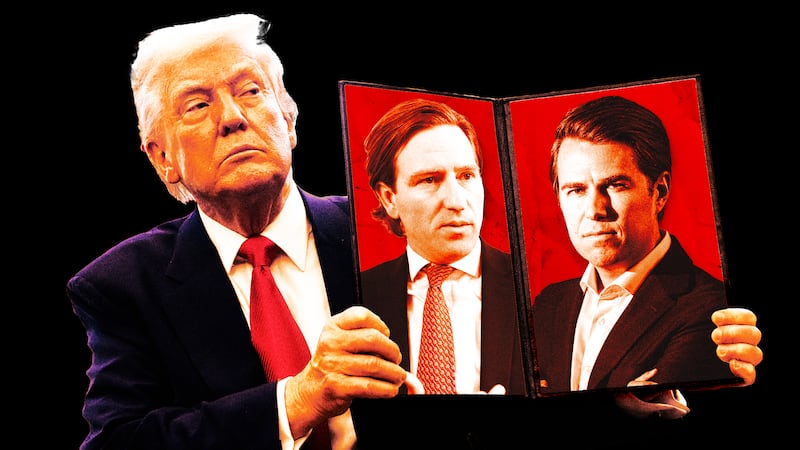
Miles Taylor, a former Department of Homeland Security official who wrote an anonymous New York Times op-ed in 2018 documenting internal resistance in the Trump White House, wrote on his Treason Substack page that the business blacklist is “another totally unprecedented (and quasi-authoritarian) development out of the White House.”
Taylor was responding to an Axios report from last Friday that revealed the White House’s sprawling system for tracking private companies’ loyalty to the administration.
That report cited a senior White House official, who described a scorecard tracking 553 companies and trade associations’ stances toward the Big Beautiful Bill.
Companies that have publicly supported the tax and spending bill with social media posts and video testimonials—including DoorDash and Uber, which both cheered the bill’s “no tax on tips” provision—score higher on the list than companies that have stayed silent.
In turn, the scores could help administration officials determine which businesses have their calls answered at the White House.
Taylor portrayed the move as a dramatic escalation of Trump’s demands of corporate America.
Trump is “effectively requiring public displays of affection from corporate leaders as the price of working with the U.S. government,” Taylor wrote.
“This isn’t exactly new for him, but institutionalizing it into a formal document, distributed inside the White House, is a genuine leap toward state-sponsored patronage.”
A White House official told the Daily Beast that the list is “a dynamic scorecard that will incorporate the support of present and future administration initiatives.”
Taylor’s 2018 op-ed made waves in part because he exposed specific instances of Trump exhibiting “anti-democratic” impulses—such as a preference for working with dictators over American allies— and he recognized those same impulses in the White House’s push for corporate fealty.
“There are systems like this elsewhere,” he wrote about the loyalty list. “It’s the kind of system we’ve seen in places like Putin’s Russia or Xi’s China, where oligarchs survive by flattering the strongman, and silence is basically treated as sabotage.”
Taylor wasn’t the only conservative voice to criticize the report.
The Lincoln Project, which is run by former Republican strategists opposed to Trump’s agenda, called the loyalty list “political blackmail, plain and simple.”
Meanwhile, last Monday, a Wall Street Journal columnist wrote that Trump’s intervention in private sector affairs meant that “capitalism in America is starting to look like China.”
News Corp., the Journal‘s parent company, is one of several media companies that have been financially threatened by Trump’s ire during his second term.
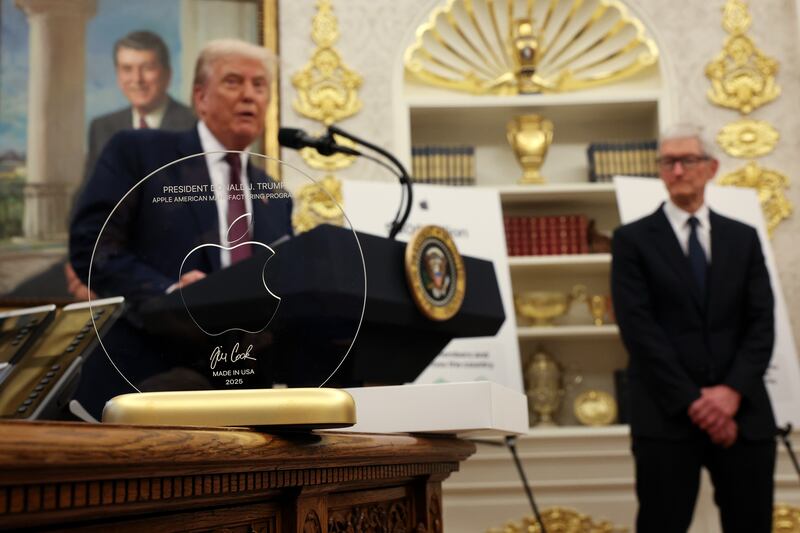
Major law firms have been pressured into offering free labor to the administration, CEOs have presented the president with gifts and donations, and some companies have even agreed to share a percentage of their sales with the government.
Taylor wrote that outside of boardrooms, consumers need to weigh the implications of Trump’s broadsides against free enterprise.
“While industry titans are wringing their hands, the rest of us need to decide whether we’re okay living in a country where free enterprise depends on loyalty to the president, instead of the Constitution.”