A former U.S. official who helped de-nuke the former Soviet Union has delivered a brutal wake-up call on Donald Trump’s plans to keep weapons of mass destruction out of Iranian hands.
Andrew Weber, an Obama-era nuclear weapons adviser, warned in an interview with The Telegraph that any efforts to remove highly enriched uranium from Iran without an agreement with the regime would take several weeks and likely see thousands of U.S. service personnel killed.
“It’s not a quick and easy thing to do,” he told the newspaper. “It takes a skilled team a lot of time on target to do this safely.”
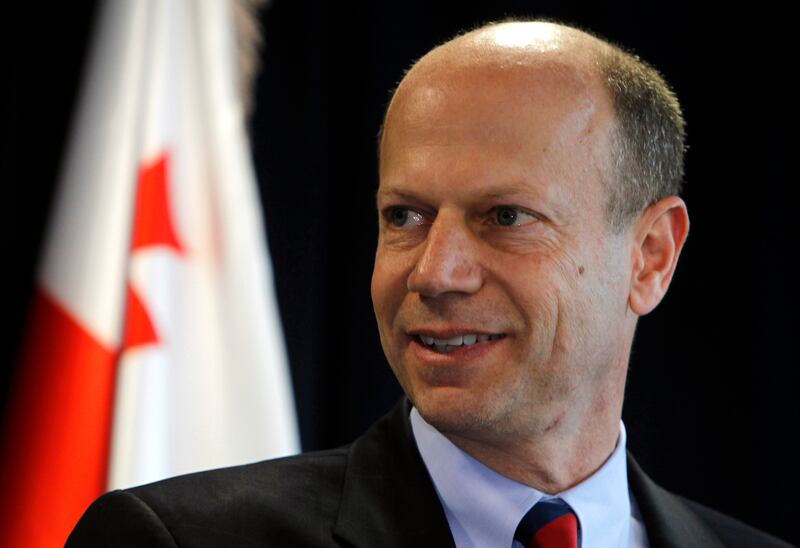
“If we put American boots on the ground, it would be extremely unpopular,” he added. “If we suffered significantly more casualties, it would be a political death for the Trump administration.”
Weber should know. He played a key role in Project Sapphire, a Clinton administration operation to remove roughly 600kg of weapons-grade uranium out of the former Soviet republic of Kazakhstan after the collapse of the USSR.
Trump has repeatedly cited the need to keep Iran from developing nuclear weapons as a justification for his war with the repressive Middle Eastern regime.
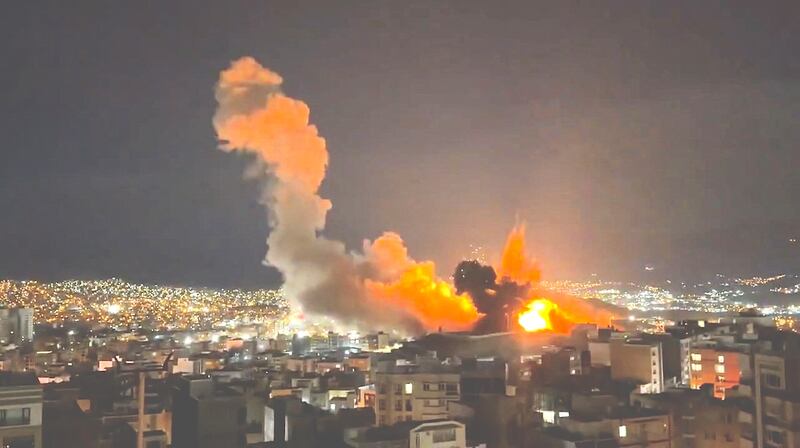
The president started that conflict on February 28 despite reports from his own intelligence service that Iran had made no efforts to rebuild its nuclear facilities after a barrage of U.S. strikes last June, which Trump claimed then had “obliterated” Iran’s weapons-making capabilities.
International nuclear inspectors reported earlier this month that Iran presently has 440kg of uranium at 60 percent purity, around 30 percent lower than the level typically considered weapons-grade.
Still, Weber estimates that amount could allow the regime to produce 10 warheads, should it have the will and facilities to construct them.
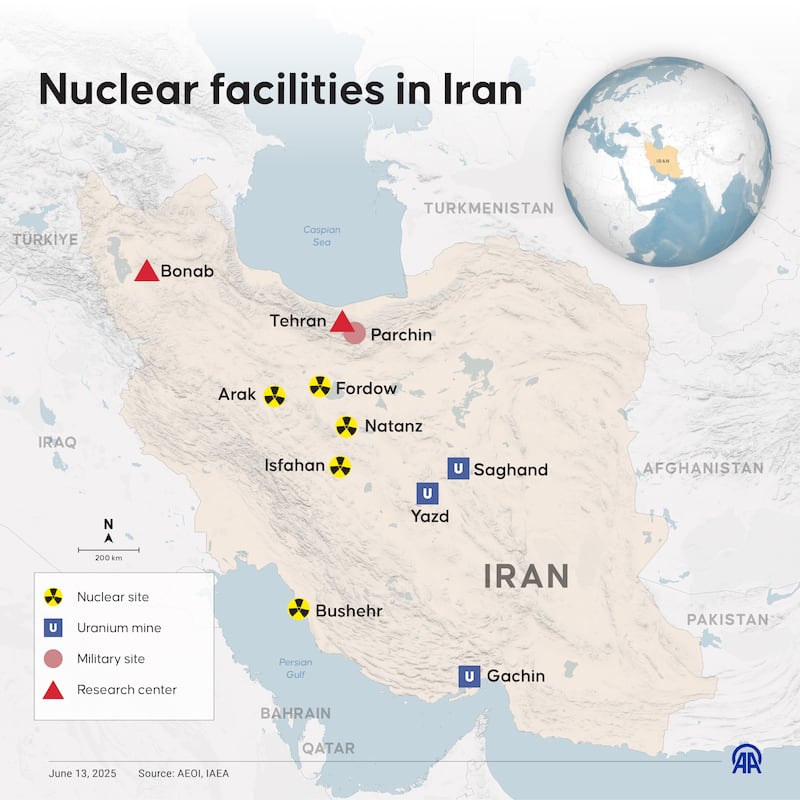
He told The Telegraph it would be “possible” to remove the materials as part of a negotiated operation, but “too risky” while the U.S and Iran remain at war.
“It would be much more expensive, especially in lives,” he said of any prospective wartime attempt.
“You would need a force of thousands of troops to secure the site over a period of weeks, maybe even over a month,” he added. “That would create a huge vulnerability too—the Iranians could fire drones and short-range missiles at [it].”
Trump announced a ceasefire two weeks ago to allow time for negotiations with Iran on a permanent end to the conflict.
That deal was made on condition that the Islamic Republic reopen the Strait of Hormuz, a vital oil shipping lane, which the regime has effectively shuttered since the conflict began.
Iran did not reopen the strait, and no new deal was reached.

The president has since extended the ceasefire “indefinitely” until Iran presents a consolidated proposal for ending the war. Iran has responded by attacking three ships in the strait, seizing two of them.
It comes as the Pentagon warns that it may take at least six months to clear Iranian-laid mines from the strait.
That delay, in turn, threatens to keep oil and gas prices at the level they have skyrocketed to since the passage’s effective closure more than six weeks ago.
The Daily Beast has contacted the White House for comment on this story.