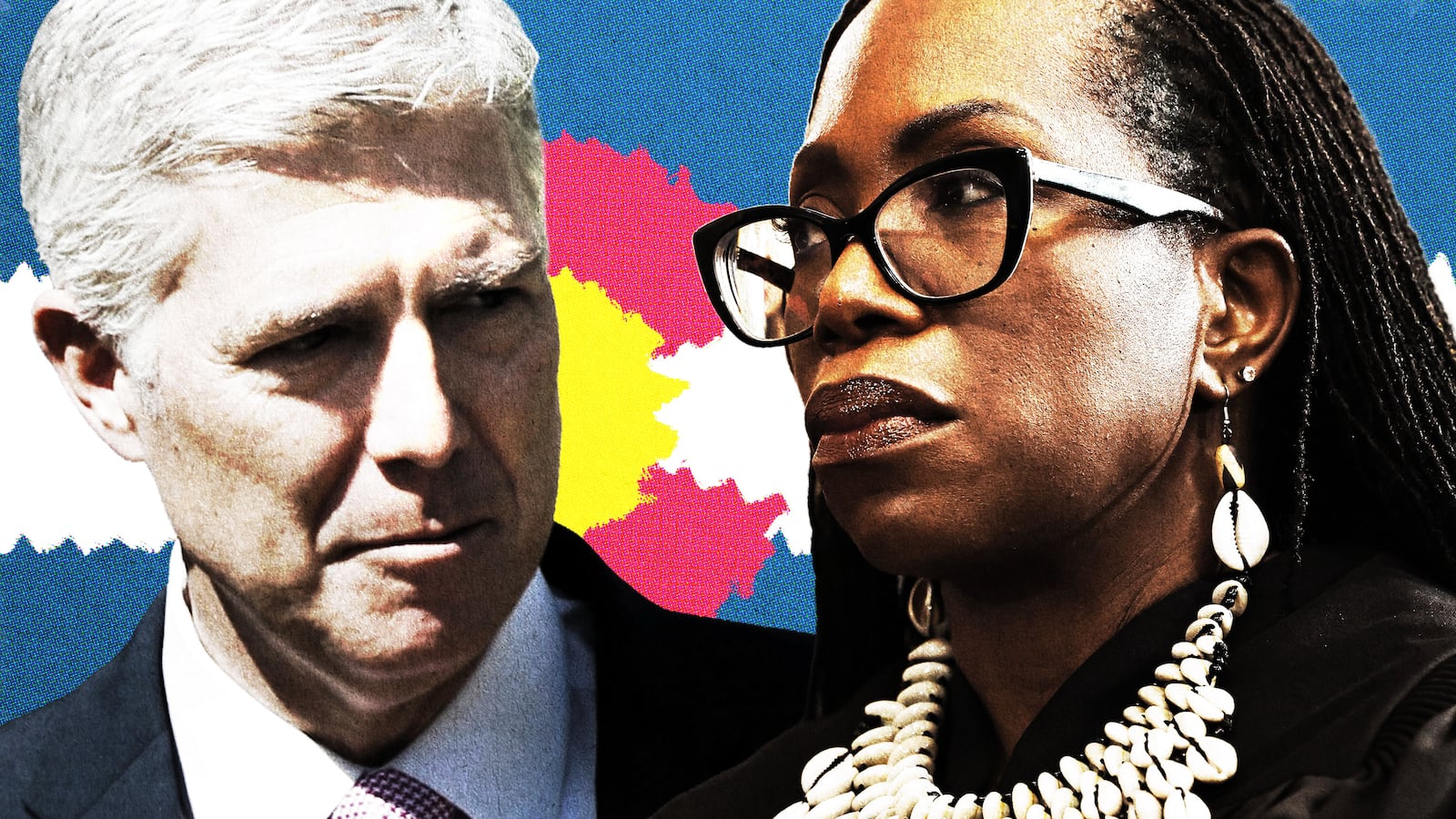
Supreme Court Justice Ketanji Brown Jackson has launched a blistering rebuke of her colleagues after they struck down a ban on so-called gay “conversion therapy.”
The disgruntled justice warned that the court was “playing with fire” and risking disastrous consequences for children.
Her scorched-earth dissent came after the court ruled 8-1 on Tuesday to reject a Colorado law that prohibited mental health professionals from trying to change the sexual orientation or gender identity of LGBTQ minors.
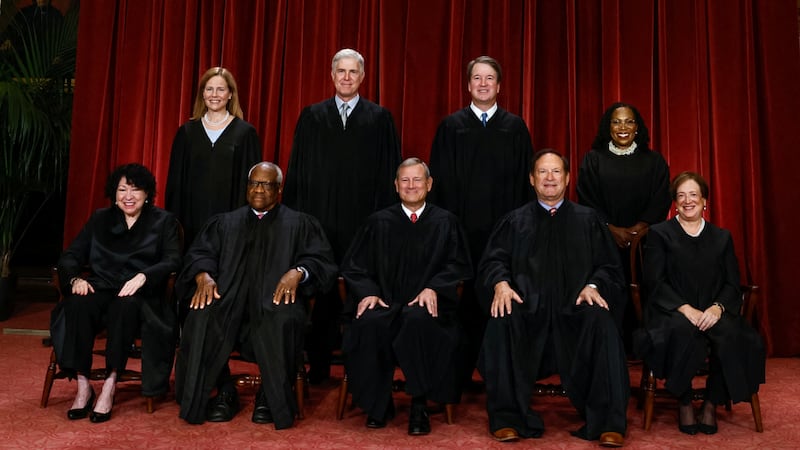
While conversion practices have been discredited around the world as ineffective and damaging, the majority ruling found that Colorado’s ban violated free speech.
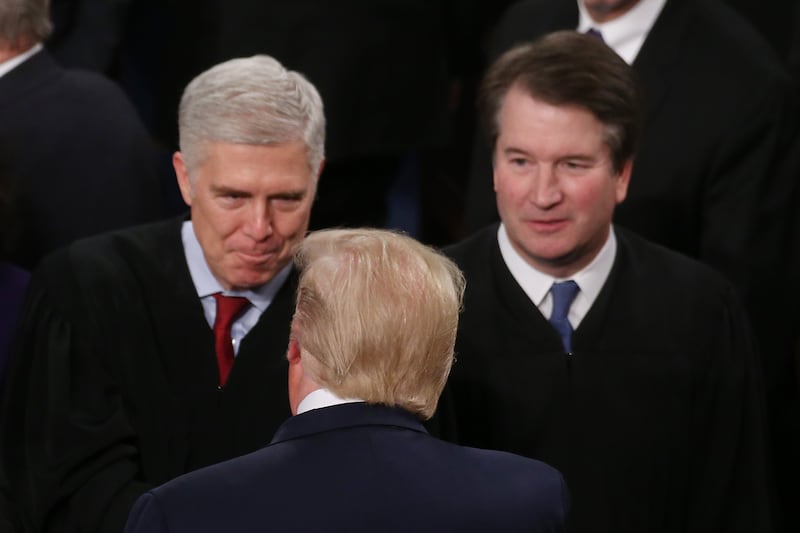
“Colorado may regard its policy as essential to public health and safety,” Trump-appointee Neil Gorsuch wrote for the majority.
“But the First Amendment stands as a shield against any effort to enforce orthodoxy in thought or speech in this country.”
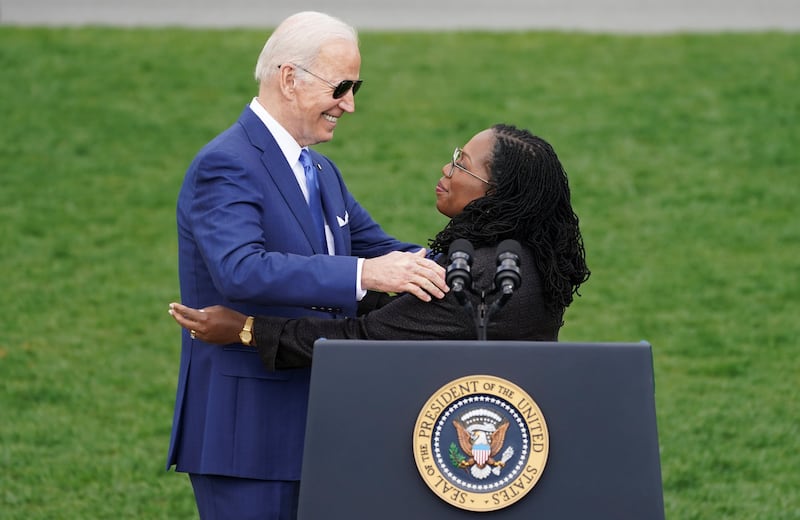
Jackson, who was appointed under President Joe Biden as the first Black woman to sit on the Supreme Court, was scathing of the decision, describing it as “unprincipled and unworkable.”
In a sign of her anger, the former public defender even took the unusual step of reading her dissent from the bench.
“Ultimately, because the majority plays with fire in this case, I fear that the people of this country will get burned,” she said.
Warning that the court had “opened a can of worms,” Brown added the decision “threatens to impair States’ ability to regulate the provision of medical care in any respect.”
“It extends the Constitution into uncharted territory in an utterly irrational fashion. And it ultimately risks grave harm to Americans’ health and wellbeing,” she said.
“We are on a slippery slope now: For the first time, the Supreme Court has interpreted the First Amendment to bless a risk of therapeutic harm to children by limiting the State’s ability to regulate medical providers who treat patients with speech.”
The court’s ruling lands at the center of a widening culture war over LGBTQ rights and the boundaries of state power.
And with more than 20 states having similar bans, the ruling is expected to reverberate nationwide.
The case emerged when Kaley Chiles, an evangelical Christian, sued the state over the law in 2022, claiming it prevented her from working with young patients who want to live a life “consistent with their faith.”
She argued that she was not seeking to “cure” clients of same-sex attractions or to “change” their sexual orientation, but rather to help patients with their own stated goals, which sometimes include “seeking to reduce or eliminate unwanted sexual attractions.”
However, Colorado argued that states have long regulated medical practices, including treatments carried out through speech.
The state’s attorney general, Phil Weiser, also said that striking down the law would make it harder to sue all kinds of professionals, including doctors and lawyers, for giving bad advice.

Conservative groups have increasingly cast bans on conversion therapy as infringements on free speech and religious liberty.
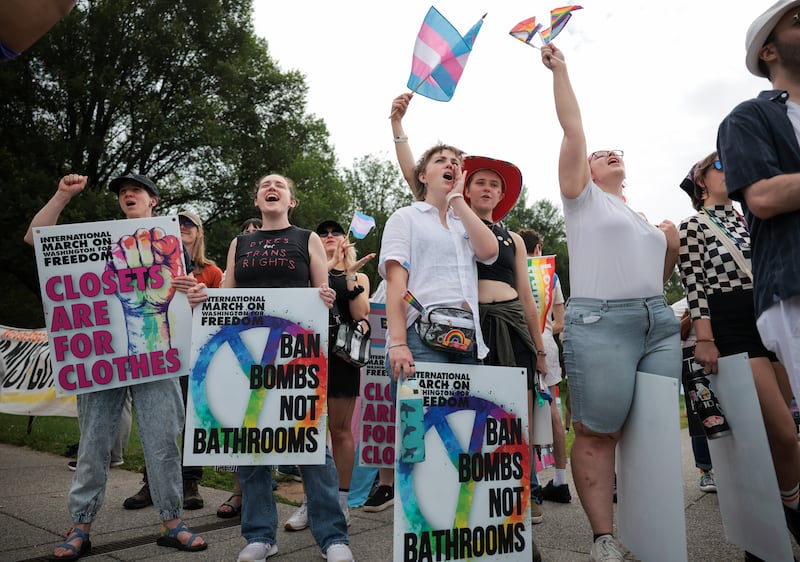
But LGBTQ advocates and mainstream medical bodies argue such practices can inflict lasting psychological harm and should be prohibited, especially for minors.
Trevor Project chief executive Jaymes Black described the majority ruling as “a tragic step backward for our country that will put young lives at risk“.
“These efforts, no matter what proponents call them, no matter what any court says, are still proven to cause lasting psychological harm,” Black said, citing figures showing LGBTQ+ young people subjected to conversion therapy practices were more than twice as likely to attempt suicide in the past year.
In her dissent, Jackson said that the court’s majority opinion “misreads our precedents, is unprincipled and unworkable, and will eventually prove untenable for those who rely upon the long-recognized responsibility of States to regulate the medical profession for the protection of public health.”
Gorsuch, however, clapped back, writing that “the Constitution does not protect the right of some to speak freely; it protects the right of all.”
“It safeguards not only popular ideas; it secures, even and especially, the right to voice dissenting views,” he added.

Gorsuch, along with fellow Trump appointee Amy Coney Barrett and Chief Justice John Roberts, was among the three conservative justices who ruled against the president’s signature tariff policy earlier this year.
Their decision continues to enrage Trump, who railed against Barrett and Gorsuch at a fundraiser last week.
“They sicken me because they’re bad for our country,” he told attendees at the National Republican Congressional Committee dinner.