Government Admits Radioactive Waste in St. Louis Area May Increase Cancer Risk
Residents who lived near WWII radioactive waste may have an increased risk for bone and lung cancers.
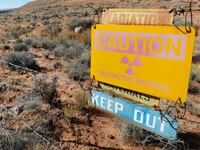
George Frey/Getty
The U.S. Centers for Disease Control and Prevention confirmed for the first time that radioactive waste stored in the St. Louis area after World War II may have increased residents’ risk for bone and lung cancers, CBS News reports. The Agency for Toxic Substances and Disease Registry stated in a new report that those who lived near Coldwater Creek or its floodplain between the 1960s and the 1990s could have been exposed to the radioactive wastes. During World War II, St. Louis’ Mallinckrodt Chemical Company was commissioned by the government to process uranium for atomic bombs, with the waste contained in stacked barrels in North County that contaminated the soil and Coldwater Creek. While the Army Corps of Engineers has cleaned two major waste sites, that hasn’t stopped the long-term contamination. Some residents are suing Mallinckrodt and others who handled the uranium and radioactive waste, but the companies claim they were working under the direction of the U.S. government.
Register below to read this article for free or subscribe
to unlock unlimited access to The Daily Beast.
Monthly
$1
First month then $5.99/month
Annual
$35
First year then $59.99/year
Premium
$79
First year then $119.99/year
*Substack access provided by the next business day, using your subscription email. Choosing the Premium plan constitutes your permission to share your subscription email with Substack and your agreement to Substack’s Privacy Policy.
Already have an account? Sign In
Looks like you already have a subscription!
You're all set!
Thanks for subscribing.