

The now-shuttered Florida immigration detention center dubbed “Alligator Alcatraz” kept detainees in cages and failed to comply with most federal detention standards to provide basic human needs.
An unannounced January visit by the Department of Homeland Security’s watchdog agency found that between July 2025 and January, 79 detainees were kept in “small metal enclosures” dubbed as “calming areas” that were four feet in width, according to a new report.
The enclosures were described to investigators as a “safe and secure place” for detainees to “reflect on their behavior choices.”
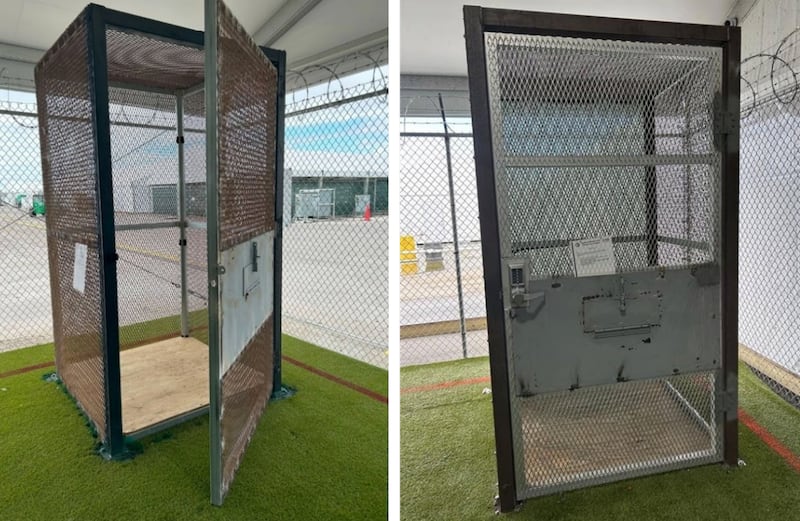
“Use of these small metal enclosures for any reason is unprecedented among detention facilities OIG has inspected and presents significant risks to detainee health and safety,” the report reads.
A spokesperson for the Department of Homeland Security did not immediately respond to questions from the Daily Beast.
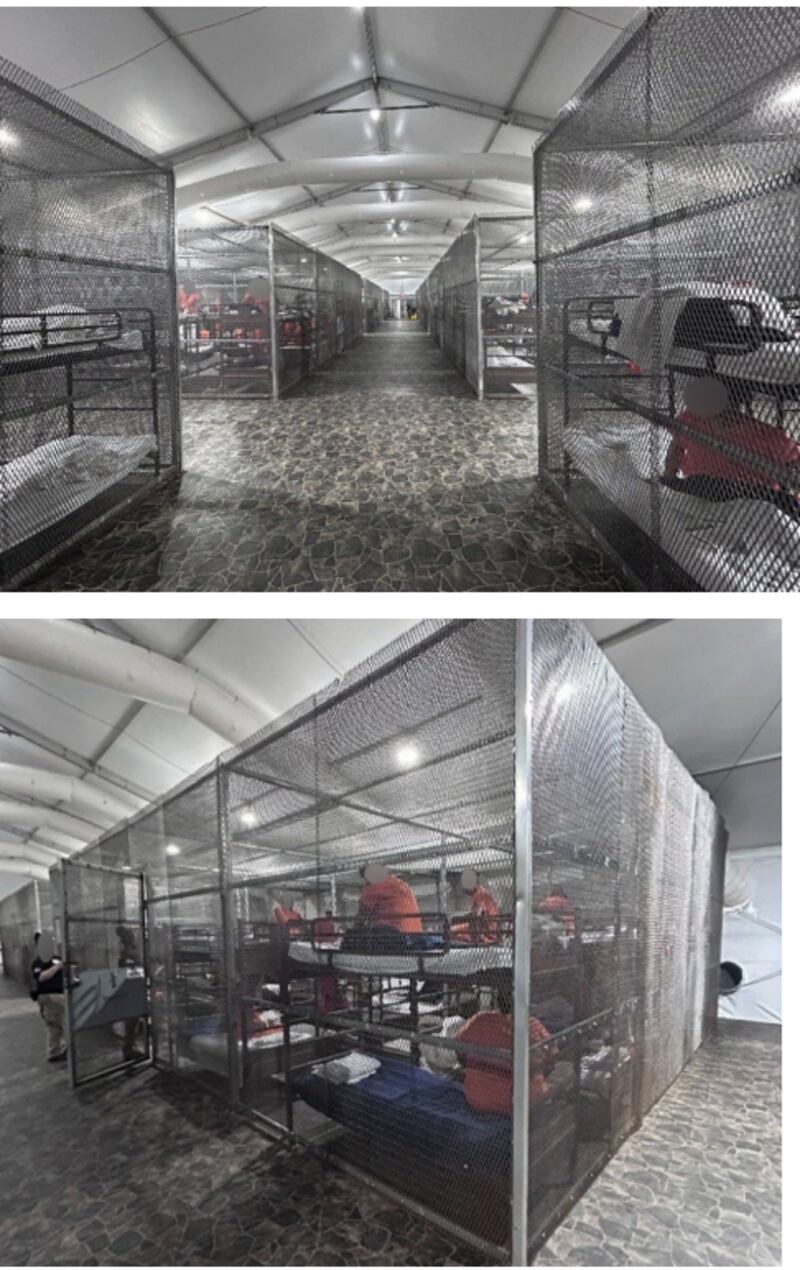
According to the report, the detention center allocated living spaces that were “less than half of what is required” for detainees. Detainees spent most of their time in these cramped, windowless enclosures, leaving only for three brief meals per day, three showers per week, and one hour of recreation three times per week. The federal standard requires detainees to have access to recreation five days per week.
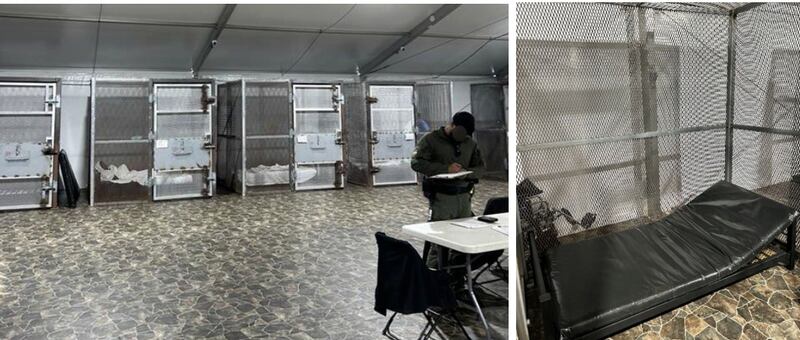
Investigators also found that detainees did not have access to reading materials outside religious texts or legal libraries, which obstructed their ability to find legal representation. Overall, the facility did not comply with standards in nearly every category: Environmental Health and Safety; Special Management Units; Medical Care; Food Service; Personal Hygiene; and Recreation, the report found. As of now, the only two categories Alligator Alcatraz was not found to be in violation of were intake and use-of-force standards.
In June, the controversial Florida immigration center was shuttered afer officials at DHS determined the detention center in the Everglades—which has been plagued by allegations of human rights abuses—is also too expensive to continue operating, The New York Times reported.
A pet project of Florida Gov. Ron DeSantis, “Alligator Alcatraz” is the first state-owned and operated detention center in the United States. But the facility, which ousted Homeland Security Secretary Kristi Noem once touted as a “cost-saving effort,” was costing the state $1 million a day.
During her time in office, the 54-year-old heralded “Alligator Alcatraz” as the first of many state-run detention centers across the country—a vision echoed by President Donald Trump.
In April, the detention center held almost 1,400 detainees, federal data shows. About two-thirds of the inmates are “noncriminal,” meaning they are held in detention without being convicted of a crime.

The center, which hastily opened on July 3, 2025, costs roughly $450 million annually to operate. Florida was supposed to receive federal reimbursement, but delayed funds found the state and the Trump administration at odds over who, if anyone, was responsible for the detention center.
The center has brought more than just steep costs to the Sunshine State. “Alligator Alcatraz” has also sparked national outrage amid allegations of assaults, groping, and inhumane living conditions.
In December, an Amnesty International report found that guards at the Everglades detention center punished detainees by confining them in what inmates call “the box,” a 2-by-2-foot cage-like structure where their hands and feet are shackled to the ground, leaving them unable to sit or move. The CIA used a similar torture method at its post-9/11 black sites, including on Abu Zubaydah, the longest-held prisoner in the U.S. war on terrorism and the first detainee waterboarded by the agency.