Since You Have More Time on Your Hands, Why Not Give Composting a Shot
It’s actually not that hard to do, but at the very least, you should get a compost bin for your kitchen that you can drop off at a nearby garden or farmer’s market.
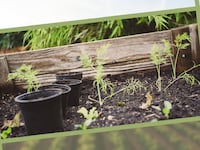
Being at home this long, or really, just in one place for this long, has led me to see how much waste I produce. Spoiler alert: it’s a lot more than I thought. But I’m not here to shame anyone, in fact, quite the opposite. I think there are plenty of small ways we can cut down our carbon footprint, from driving less (check), to not using a washing machine or dryer (also, sadly, check), but gardening is what I’ve been doing, and is something that I’d recommend everyone give a shot now that we all have a little more times on our hands.
GETTING STARTED
Composting is a natural way to recycle all of the organic materials in your house through decomposition. Compost can improve your soil’s water retention, which saves you money on your water bills, and helps keep excess garbage out of landfills, too. To get started you need two things. The first is a compost bin for your kitchen. This is great whether you want to start a compost at home or if you have a compost center you can bring them to. You want something sleek, designy, yet simple because after all, it’s really just a trash can. This is an excellent one.
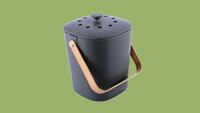
Bamboo Compost Bin
Then, to ensure that you can use your bin again and again without it getting gross, you want compostable trash bags. These are ideal for carrying your compostables to the backyard. What is compostable you ask? Well, there is a full list here but some highlights are pretty much any food scraps (even egg shells), paper towels (and their rolls), pizza boxes (did not know that one!), and coffee grounds and filters. Please DO NOT compost meat, dairy products, pet droppings, plastic (unless it is specifically labeled), candles, clams, aluminum foil, vacuum cleaner bags, and q-tips.
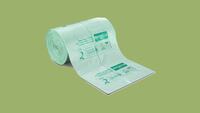
Compostable Bags
To create an ideal environment for decomposition, you’ll need to build up a decent amount of compostable material which is why, if you don’t have that much space, I recommend getting a large tupperware container (you could also get some smaller ones) and keeping it in your freezer. This will keep it from smelling and will let you put your organic material on ice until you’re ready to start your pile.
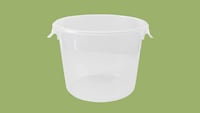
Tupperware
HEADING OUTSIDE
Now that you’ve built up a decent sized amount of kitchen compostables (AKA “Green” materials) it’s time to take them outside. First, pick a location: a dry, shady spot is best, and make sure there is plenty of room that's a square of about three feet in every direction. Then, you need to prepare your waste. The smaller the particles, the faster they will decompose. Once they are the right size, spread your first “Brown” layer, which should consist of dried plant materials, fallen tree branches, cardboard, newspaper, etc. which will add carbon to the pile. Then, shovel a layer of your “Green” materials, a layer of garden soil and add water to moisten all three layers. Continue with this same layer pattern to create a pile that’s three feet high, and make sure to keep your pile moist.
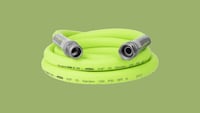
Flexzilla Garden Hose
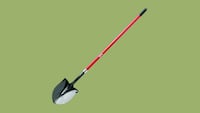
Bond Shovel
MAINTAINING YOUR COMPOST
Get the best of The Beast delivered right to your inbox
By clicking “SUBSCRIBE” you agree to our Terms of Use and Privacy Policy.
Once you’ve built your pile, topped it off with a brown layer, and have been keeping it moist (but not damp), you need to aerate your compost. The microbes that are decomposing everything in your compost need air to breathe and work. Use a good pitchfork to turn the pile weekly from the inside out and keep oxygen flowing through it. It’s normal, and very satisfying, too, to see steam coming from the pile.
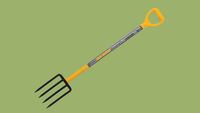
Pitchfork
Your compost pile also needs to be kept at the right temperature to keep things alive. Spring and summer is the perfect time to start a compost, so you should be set, but I still recommend getting a compost thermometer to check that your compost pile remains between 110 and 160 degrees Fahrenheit.
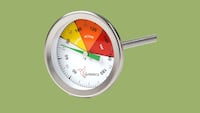
Compost Thermometer
REAP THE REWARDS
Once your compost is ready, you should give it two weeks in your garden before planting seeds. But after those two weeks, go crazy. All of that sustainable work has paid off and your plants will thank you for it, and the earth will, too.
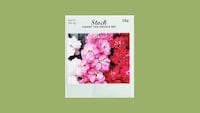
Seeds
Scouted selects products independently and prices reflect what was available at the time of publish. Sign up for our newsletter for more recommendations and check out our coupon site for more deals. If you buy something from our posts, we may earn a small commission.
See more of our coverage in your search results.

Got a tip? Send it to The Daily Beast here.
Register below to read this article for free or subscribe
to unlock unlimited access to The Daily Beast.
Monthly
$1
First month then $5.99/month
Annual
$35
First year then $59.99/year
Premium
$79
First year then $119.99/year
*Substack access provided by the next business day, using your subscription email. Choosing the Premium plan constitutes your permission to share your subscription email with Substack and your agreement to Substack’s Privacy Policy.
Already have an account? Sign In
Looks like you already have a subscription!
You're all set!
Thanks for subscribing.