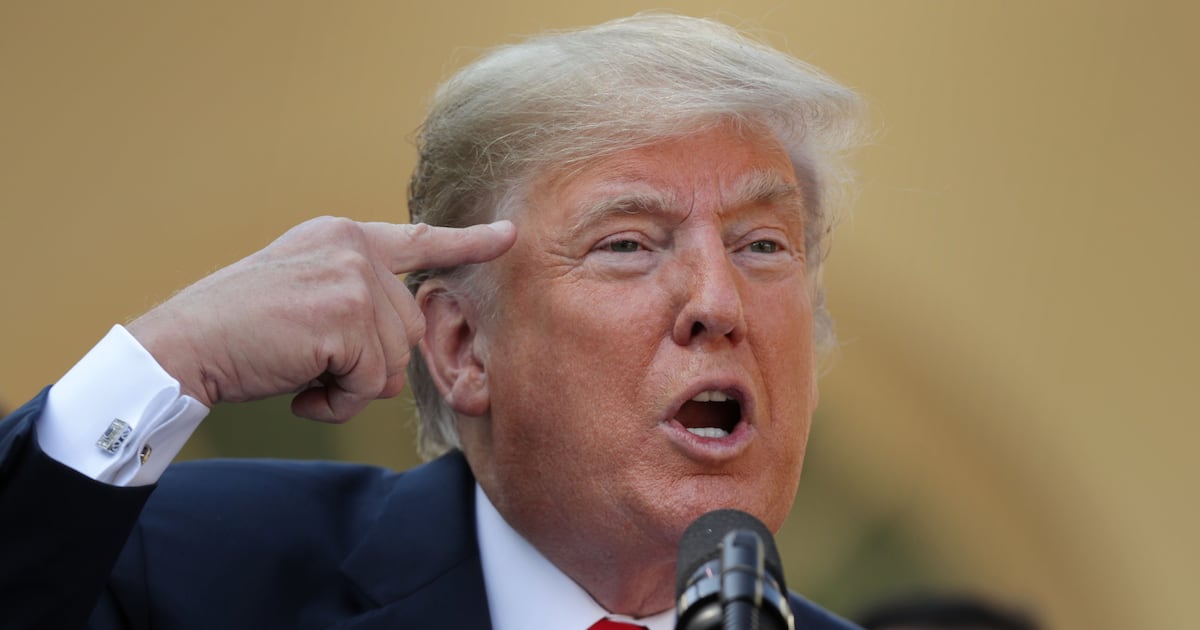
The President of the United States is a monster.
At shortly after 8 a.m. on Tuesday morning, Donald Trump threatened to annihilate a nation of over 90 million people, and a society whose roots date back over 7,000 years.
In a Truth Social post he wrote, “A whole civilization will die tonight, never to be brought back again. I don’t want that to happen, but it probably will.”
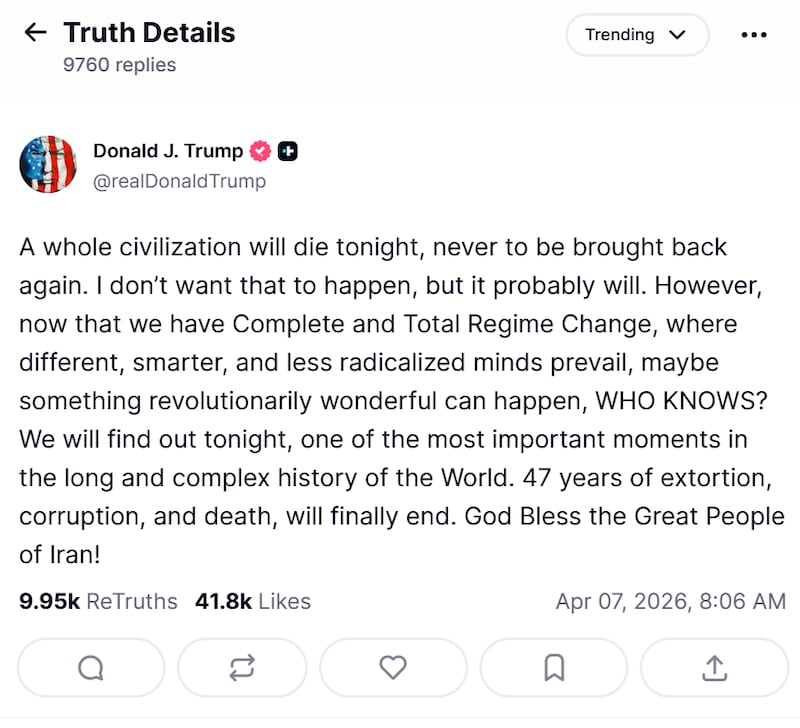
Apparently, Trump thought that by underscoring to the world that he is a madman, he might intimidate the Iranian regime to agree to the complete capitulation that Trump is demanding as a precondition to ending his illegal war against their country.

It did not work. The Iranian government immediately announced that because of Trump’s threat, they were breaking off talks with the United States designed to bring about a ceasefire.
Iran’s Vice President Mohammad Reza Aref offered a defiant response saying, “Iran is not a mere ‘incident’ in history, but history itself. A civilization that has weathered the storms and delusions of ill-wishers for thousands of years does not tremble at the Stone Age rhetoric of Trump. Our response to the enemy’s savagery is to stand firm on national interests and rely on the inner strength of the great Iranian nation.”
Trump’s often repeated deadline for Iran to agree to his terms is 8 p.m. Whether or not an agreement is reached by then and regardless of the nature of the attack that may be launched at that time, by threatening genocide, Trump has transformed the nature of the current conflict and sent the world an unambiguous message about the depths of his depravity.
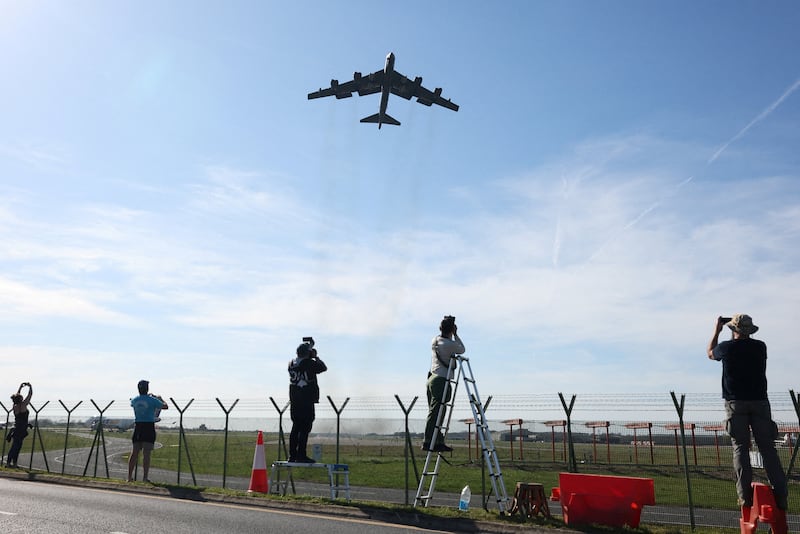
With his threat, Trump makes it clear that he is not just an ally of men like Vladimir Putin and Benjamin Netanyahu. He aspires to achieve their level of infamy, wholesale bloodshed and criminality.
For the American people, it is the clearest sign that our nation has undergone a stunning shift, from the role we at least imagined for ourselves of “leader of the free world” to becoming the newest addition to a true axis of evil.
Iran, once identified as a centerpiece of such an axis, and despite the hideous and indefensible record of the theocratic butchers who have oppressed their country for nearly half a century, has been elevated by Trump to a more sympathetic role in the eyes of the international community than anyone could have imagined possible even a month ago. Such a role may translate into greater diplomatic leverage going forward.
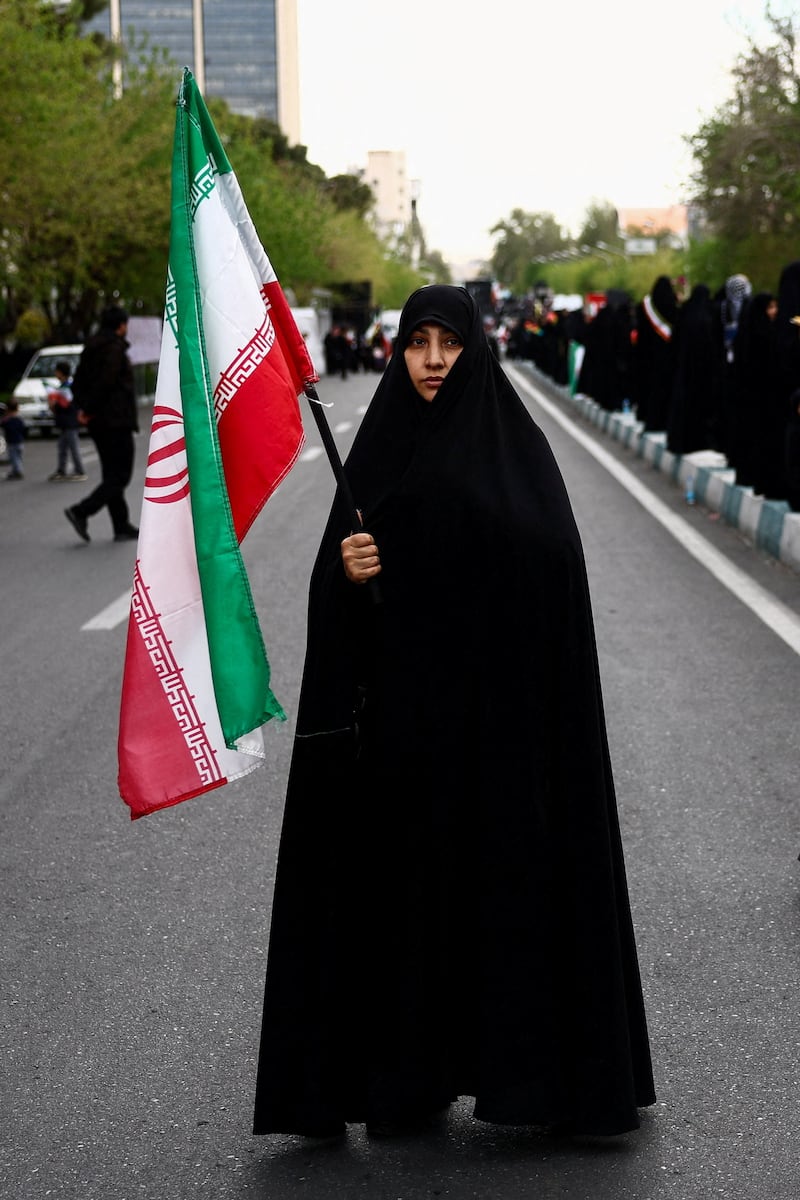
Perhaps of greater consequence, Trump’s reckless, strategy-free application of brute force to Iran, may actually be having exactly the opposite effect he had sought. Not only is the hardline regime more firmly in place—contrary to an assertion about their “different, smarter, and less radicalized” leadership in Trump’s social media post—but Iran may be more powerful today than it was before this war started.
Iran is now using its strategic leverage over the Strait of Hormuz more aggressively than it has before. It has shown its resilience in the face of U.S. and Israeli attacks. China and Russia are actively helping it to rebuild.
It retains the core resources of its nuclear program. It has a massive military and significant resources and is now actively using it to threaten regional destabilization in new ways to go along with the global economic upheaval caused by its more aggressive intervention in the strait.
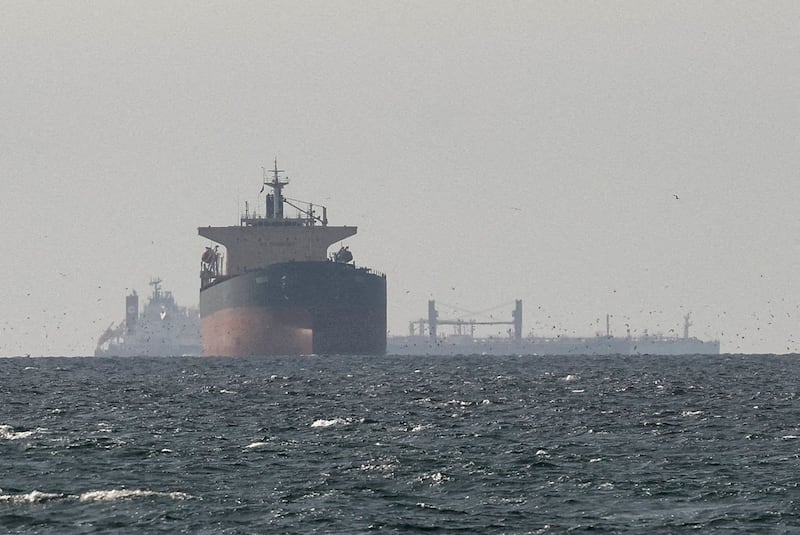
The U.S. on the other hand, has been damaged by Trump’s threat. Our global standing, already greatly diminished as a consequence of the trade policies of this regime, its violations of international law in its attacks on Venezuela and regional boat traffic, its threats (repeated during Monday’s Trump press conference) to annex Greenland and to withdraw from NATO, is more compromised than it has been at any time in American history.
Rather than being more respected as Trump regularly asserts, we have become less trusted, and more vilified. Our one-time closest allies are now seeking to find ways to go it alone, in some cases drawing them closer to rivals like China.
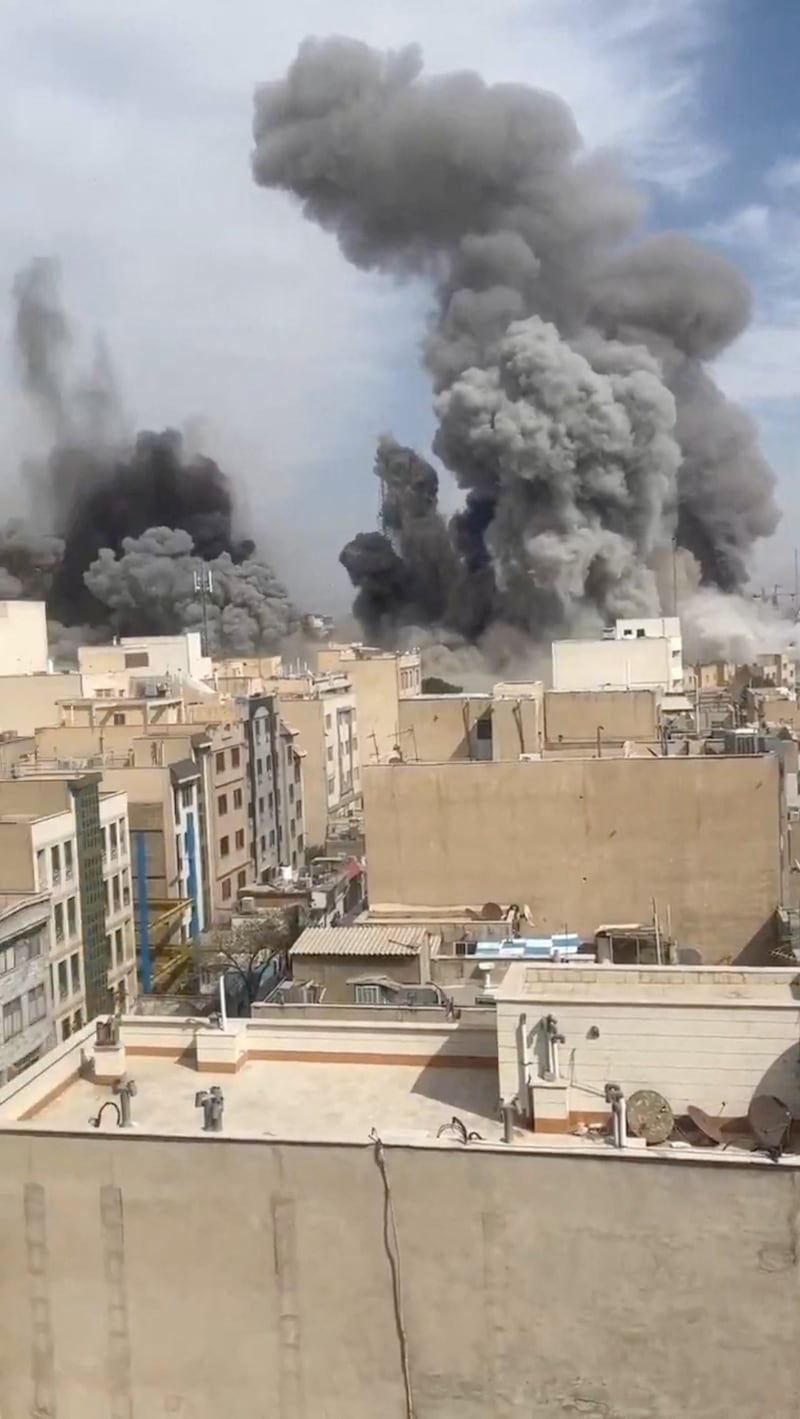
Should Trump not attack, grave damage has been done by revealing that the U.S. is now capable of such thoughts and approach. Iran’s once angry but largely empty cries of “death to America” now pale in comparison to the new intimidation tactic of the leader of the world’s most powerful military, one that has already destroyed, by its own count, some 13,000 targets in Iran since February 28.
Should the U.S. attack, regardless of the outcome of the effort, it will always be in the context of Trump’s express intentions. Certainly, his threat is the kind of evidence future war crimes investigations must take into consideration.
Some in the U.S. national security community with whom I have spoken believe top brass in the military are already showing resistance to attacking certain purely civilian targets. The degree to which such resistance is consequential—especially in light of the military leadership purges of Trump and Secretary of Defense Pete Hegseth—is something to watch closely. Because there is no doubt that demanding the active commission of international war crimes is precisely the kind of illegal order our military leadership has been sworn to refuse.
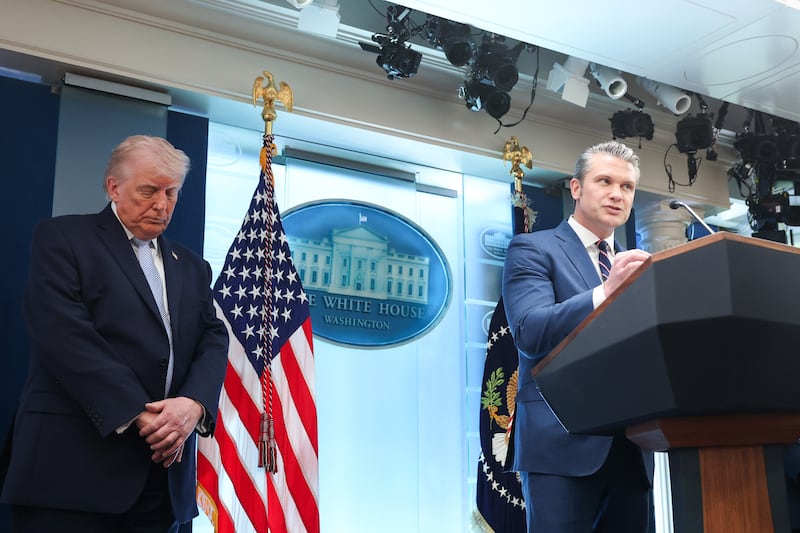
In the hours after Trump’s stunning ultimatum, there is little sign however, of the kind of condemnation and push back such a statement should have gotten whether from within the leadership of the Republican Party or from top career officials in the U.S. national security community. (That said, perhaps the most aggressive pushback thus far to Trump’s illegal war has come from targeted leaks from the U.S. intelligence community designed to contradict the president’s claims about the effectiveness of his attacks at achieving either regime change or the elimination of Iran’s missile programs.)
Instead, America is in the extraordinary position of watching and waiting—wondering whether, in fact, Trump will compound the massive damage already done by his disastrous Iran war by actually undertaking the destruction of one of the world’s oldest civilizations or whether he will not.
Regardless, the damage he has done in Iran and in virtually every other aspect of his international and domestic record, puts him in a unique class of American and world leaders: to borrow a phrase he favors, among the worst of the worst.