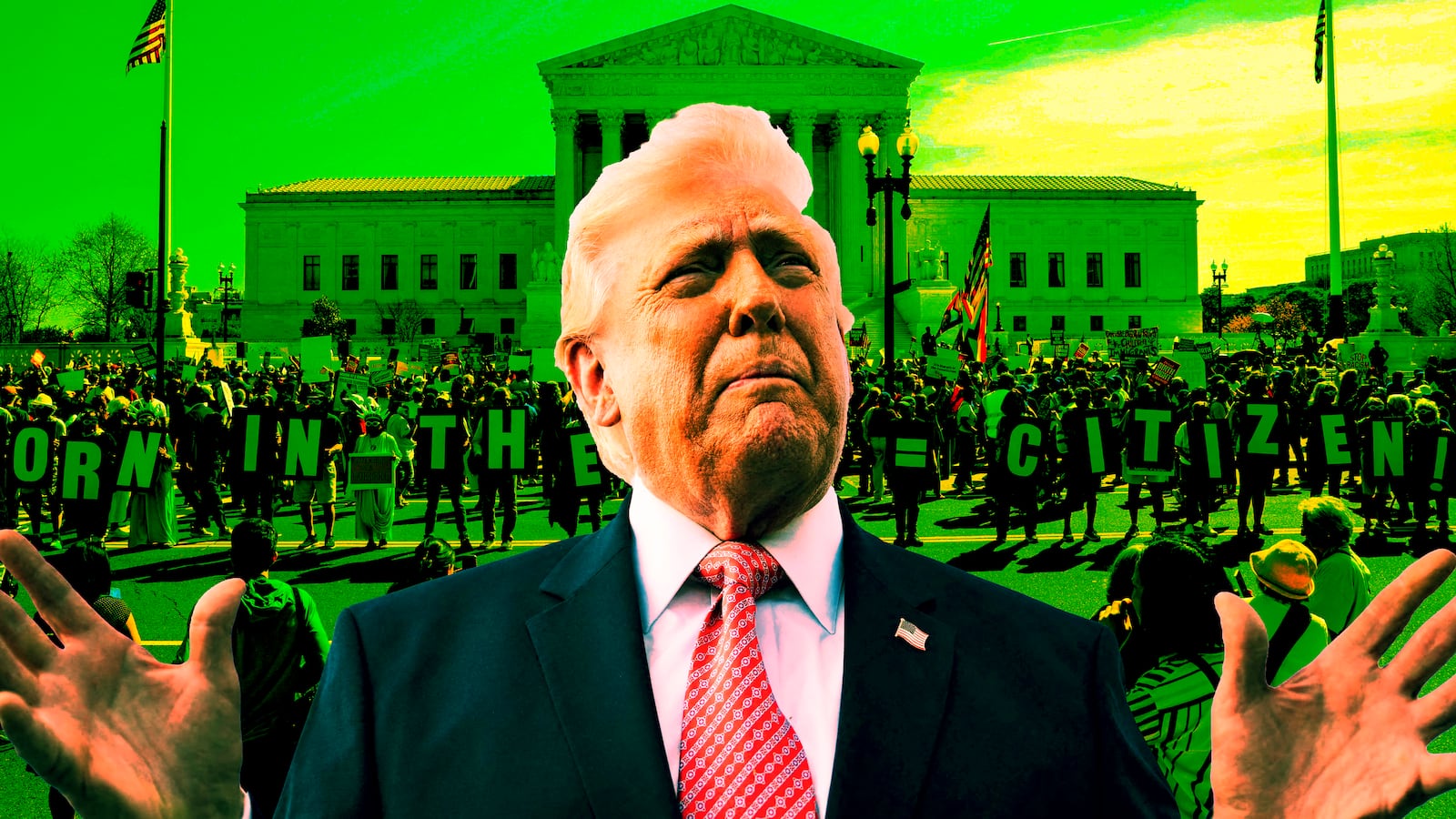
Even some of the conservative justices on the Supreme Court expressed deep skepticism in the Trump administration’s argument for upending birthright citizenship in the U.S.
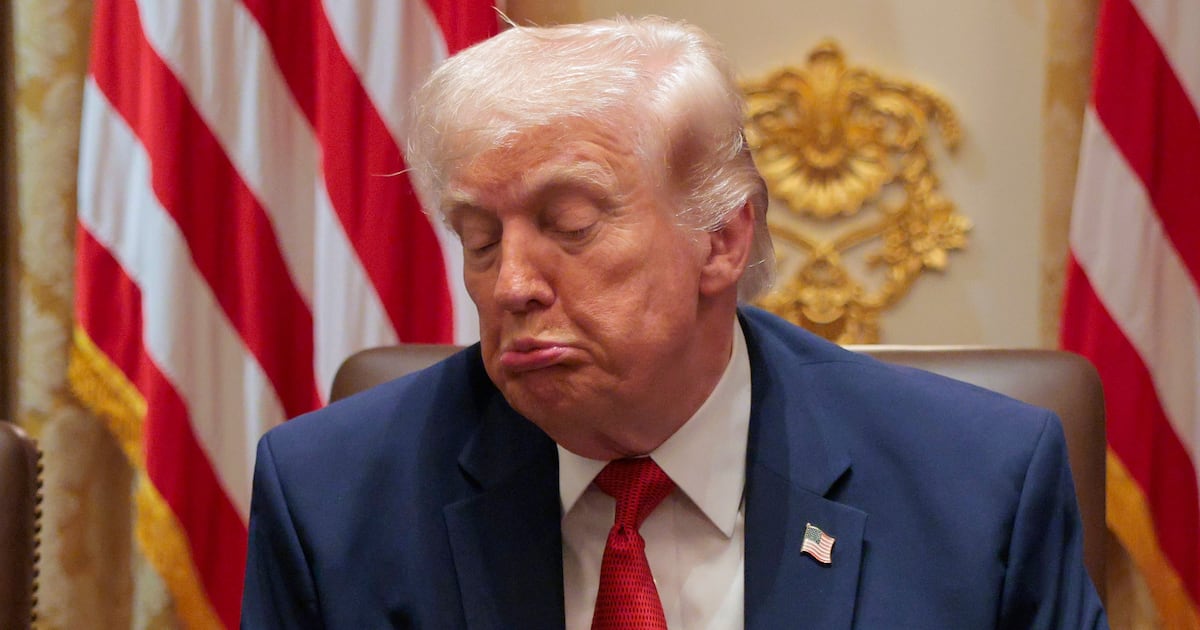
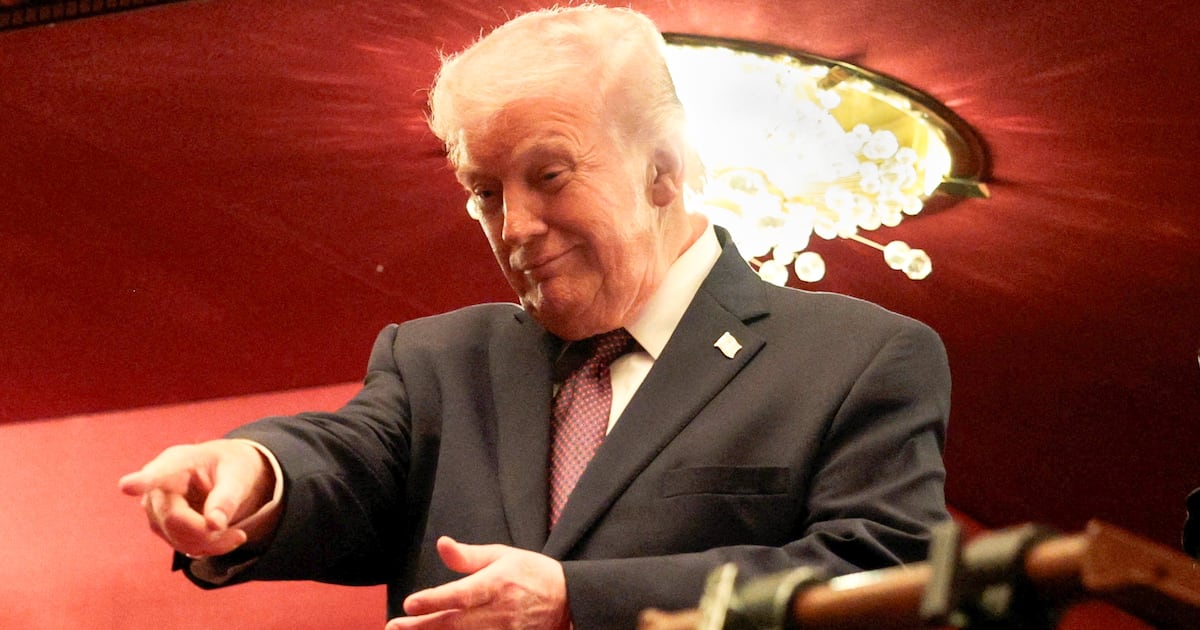
As the justices took turns launching a series of brutal questions at Solicitor General D. John Sauer after he made the government’s argument on Wednesday, President Donald Trump was sitting in the courtroom watching.
He was the first sitting president ever to attend oral arguments before the Supreme Court, but it did not stop even the justices he appointed from tearing into the administration’s case.
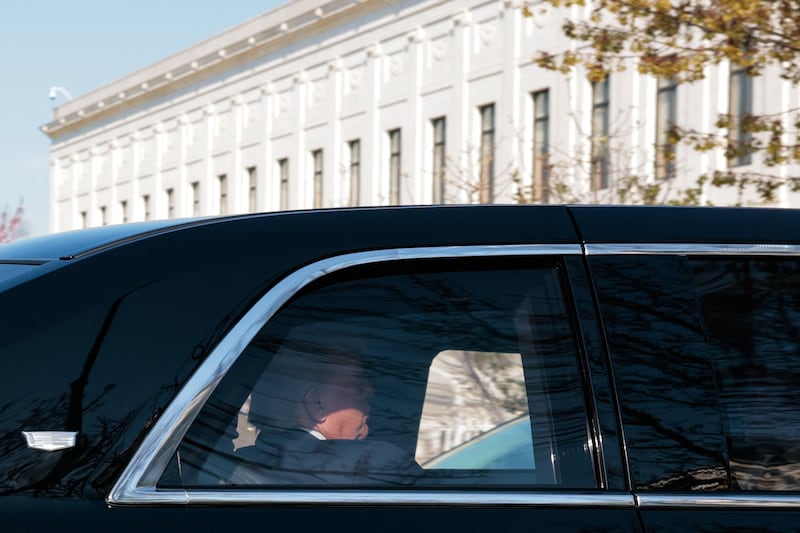
Trump ended up storming out and never made it through the full arguments.
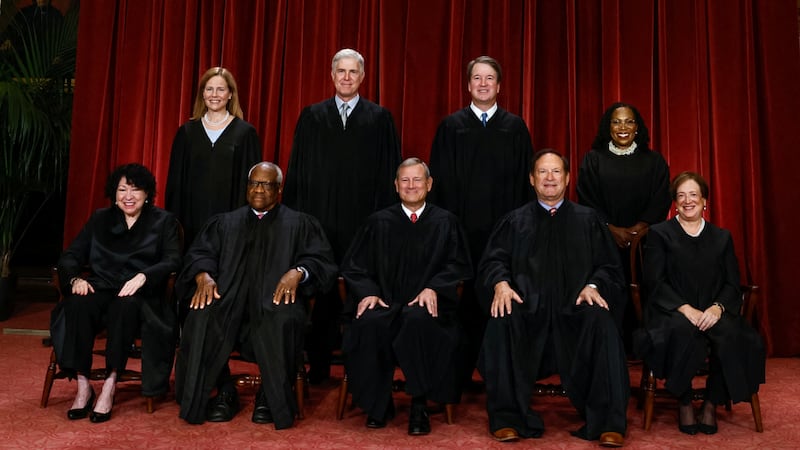
Chief Justice John Roberts, along with Justices Neil Gorsuch and Amy Coney Barrett, asked probing questions that suggested they were not buying Sauer’s argument to dramatically restrict birthright citizenship.
Roberts used “quirky” while expressing his skepticism, while Barrett said she was “puzzled” as the government argued its case.
“You obviously put a lot of weight on ‘subject to the jurisdiction thereof,’ but the examples you give to support that strike me as very quirky,” Roberts pointed out. “Children of ambassadors, children of enemies during a hostile invasion, children on warships, and then you expand it to the whole class of illegal aliens here in the country. I’m not quite sure how you can get to that big group from such tiny and sort of idiosyncratic examples.”
Later in the arguments, when Sauer argued that the interpretation of the 14th Amendment now could not be approved by its framers, Roberts had a quick response.
“We’re in a new world now… where eight billion people are one plane ride away from having a child who’s a U.S. citizen,” Sauer argued.
“Well, it’s a new world. It’s the same Constitution,” Roberts responded.
Gorsuch, a Trump appointee, noted how a person’s domicile, or residence, was a linchpin in the administration’s case.
“Now I’m looking at 1868, you’re telling me is what I should look at in the test for domicile, and the stuff you have about unlawfully present, it’s like Roman law resources you’re going to,” Gorsuch observed.
He went on to observe that “Congress could continually restrict who may lawfully be president more and more, and you’d say that would be incorporated into it even though you’re telling us to apply the original meaning in 1868.”
Gorsuch also made it a point that residency was absent from the debates over the 14th Amendment and Civil Rights Act after the Civil War and called it “striking.”
Barrett poked holes in the administration’s argument by raising questions about how the arguments would apply to a series of different cases from slaves brought over illegally but intended to leave as well modern human trafficking.
“You say that the purpose of the 14th Amendment was to put all slaves on equal footing, newly freed slaves on equal footing, and so they would be citizens, but that’s not textual, so how do you get there?” she asked Sauer.
She also asked how the argument would apply to the children of illegally trafficked people in an exchange over who was considered to be in the U.S. lawfully.

The president signed an executive order on his first day back in office that strictly limited birthright citizenship to the children of U.S. citizens and legal permanent residents. The move was immediately challenged in court, but the Supreme Court’s decision could dramatically change how babies born in the U.S. are granted citizenship.
If the Supreme Court upholds the president’s order, the ACLU estimates it would strip some 250,000 babies of their U.S. citizenship and some 4.8 million people over the next two decades.
At the root of the case is the 14th Amendment, which states, “All persons born or naturalized in the United States, and subject to the jurisdiction thereof, are citizens of the United States and of the State wherein they reside.”
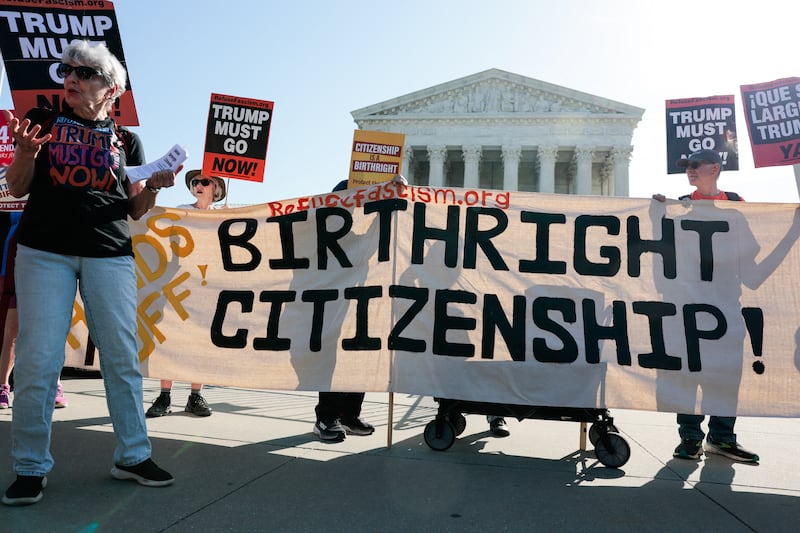
But the Trump administration argued that the citizenship clause of the 14th Amendment was meant to grant citizenship to freed slaves and their children after the Civil War.
The ACLU, which was arguing the case on behalf of children born in the U.S., slammed the Trump administration for trying to overturn a century of Supreme Court precedent and the U.S. Constitution.
While the justices appeared deeply skeptical at times, they also posed a series of tough questions for Cecillia Wang as she argued against Trump’s executive order for the ACLU.
The Supreme Court will deliver its opinion in the case at the end of the term in late June or early July.