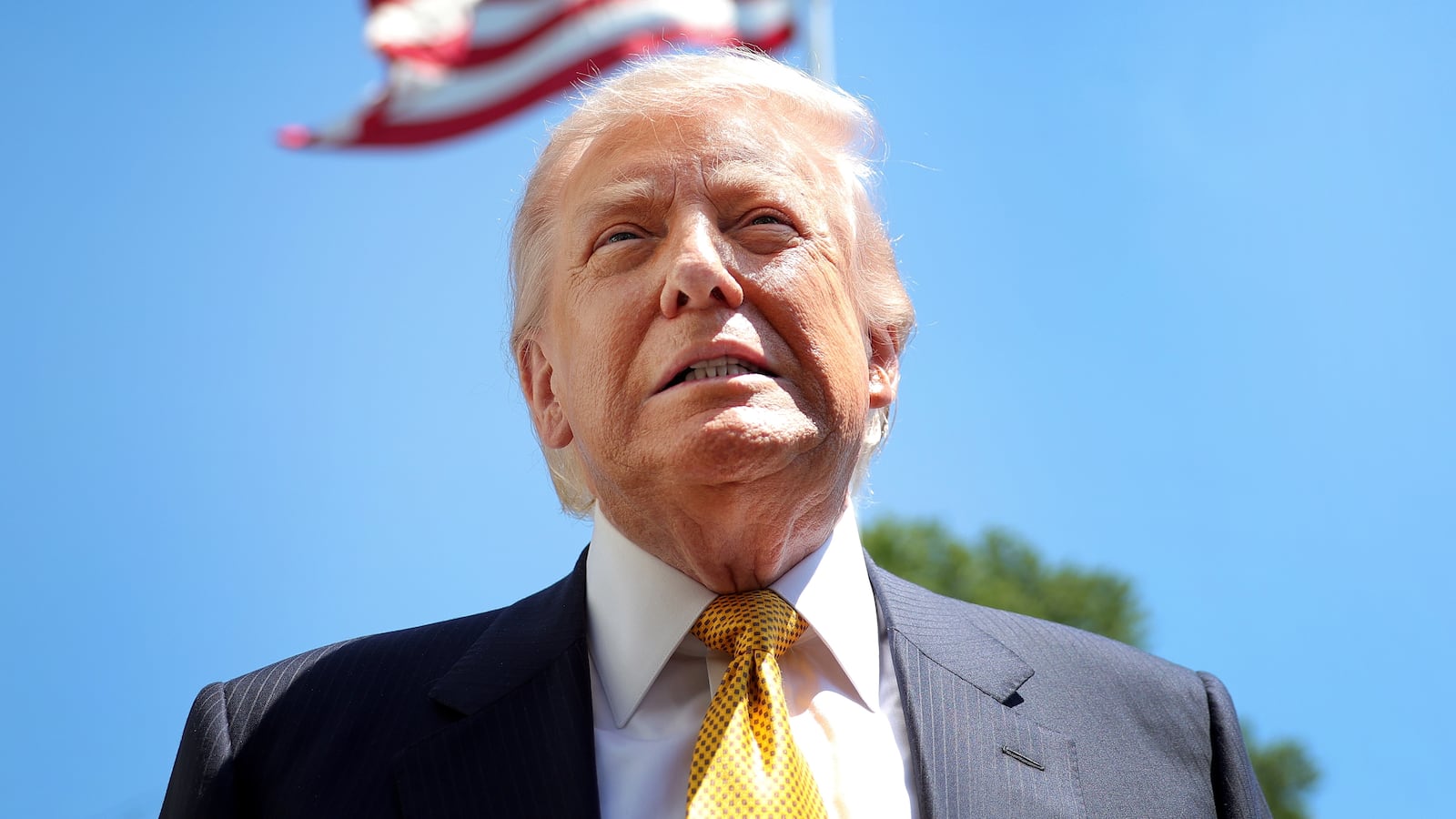
An intel leak has revealed the reason that President Donald Trump’s Iran negotiation process has descended into hilarity and become like a “sitcom.”
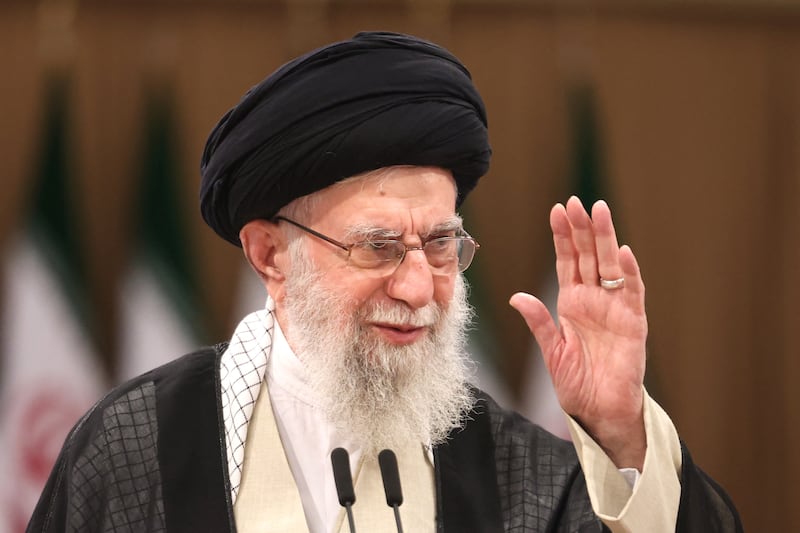
Anonymous U.S. officials who spoke to CBS News have claimed that negotiations are dragging on because the Iranian Supreme Leader is holed up in a secret location, and any correspondence has to go through a tricky network of couriers to reach him.

“Watching them try to figure out how to talk to each other is almost like watching a sitcom. They are completely exasperated,” one U.S. official told CBS News.

Even high-ranking officials don’t know where Mojtaba Khamenei is hiding, in a bid to protect him from his father’s fate. The cleric is lying low after U.S. and Israeli strikes killed his father, Ali Khamenei, on the first day of “Operation Epic Fury” on February 28.
So, in summary, Trump can’t stop the war he started for no clear reason because negotiators can’t reach the Iranian leader, who’s only in hiding because of the war.
The issue is compounded because Mojtaba has only communicated his broad intentions, so his subordinates have to filter the finer details through the Kafkaesque network in order to make painfully slow progress.
“This is why you see people saying things like, ‘The Supreme Leader has agreed to the framework,’ or ‘We’re waiting to hear back on the final deal points.’ Every piece of information he receives is dated, and there’s a lot of latency to his responses,” one official said.
Indeed, this was the excuse from Secretary of State Marco Rubio, speaking from India on Monday morning. Blaming Tehran for the pace of negotiations to end the war, he said, “You got to hear back, and it takes the Iranian system a little while longer to get back. Look, the president’s not going to make a bad deal… he’s not in a hurry.”
Trump said the conflict would have ended within “four to six weeks.” It is now entering its 12th week.
The process has appeared to frustrate U.S. officials, but Trump urged negotiators “not to rush.”
“The Blockade will remain in full force and effect until an agreement is reached, certified, and signed. Both sides must take their time and get it right. There can be no mistakes!” he posted on Truth Social on Sunday.
But Reuters reported that Rubio said on Monday that the U.S. could soon be ready to abandon diplomacy altogether, and explore “alternatives.”
The two sides remain divided over several issues, including Iran’s nuclear program, Israel’s war in Lebanon against the Iranian-backed Hezbollah militia, and Tehran’s demands for sanctions relief and access to tens of billions of dollars in oil revenues frozen abroad.
Speaking on condition of anonymity, a senior Trump administration official told Reuters that Iran had agreed “in principle” to reopen the Strait of Hormuz in return for the U.S. lifting its naval blockade, as well as to eliminate Tehran’s stockpile of highly enriched uranium.
They added that the U.S. believed Iran’s Supreme Leader had signed off on the deal’s basic framework.