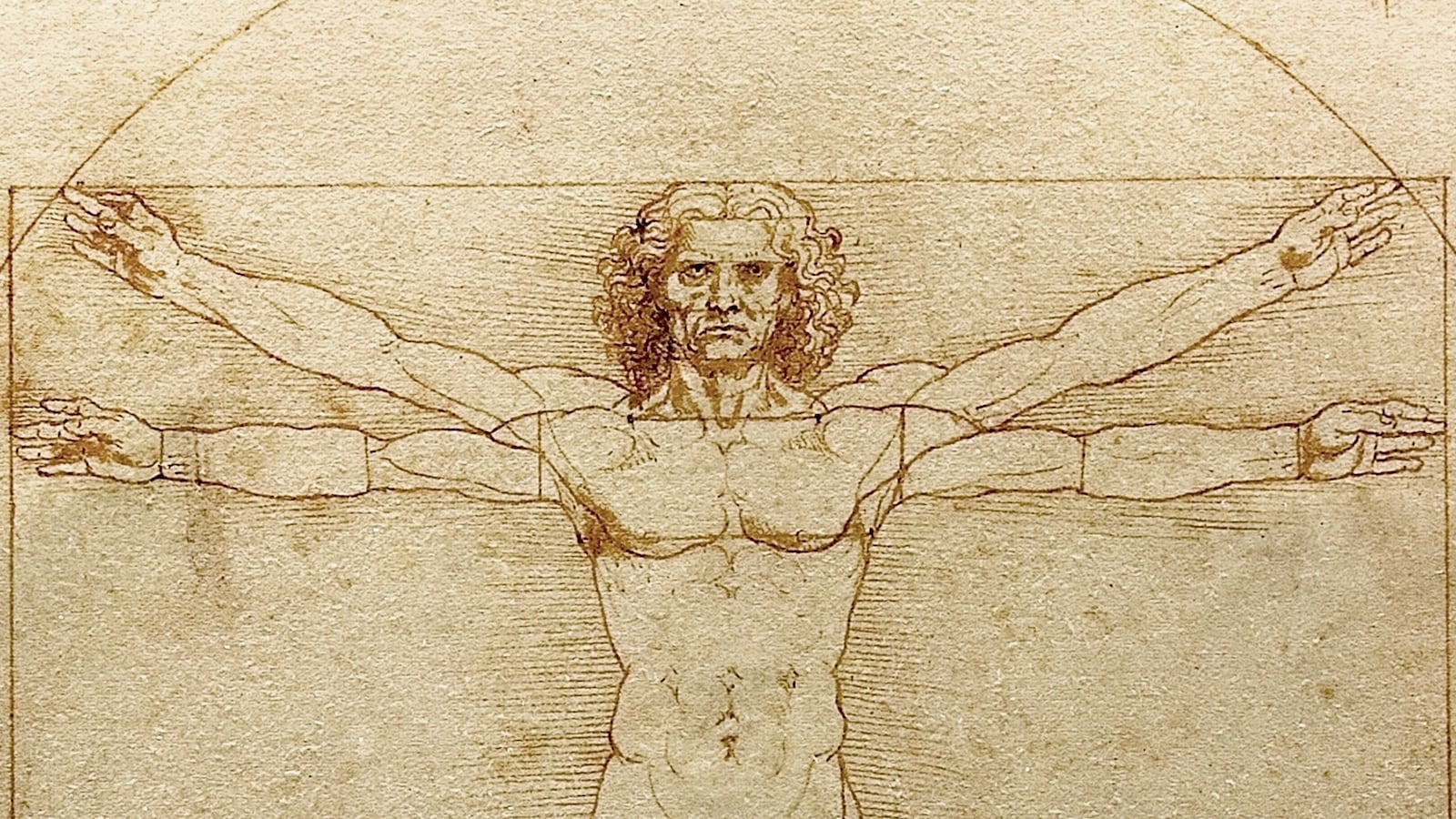
Italy’s Winter Olympics coverage has been derailed by another genital-themed controversy, this time involving one of the country’s most famous works of art. State broadcaster Rai used an image of Leonardo da Vinci’s Vitruvian Man in the opening credits of its coverage, but with the genitals missing. The 500-year-old drawing appears at the start of the clip, then transforms into the bodies of ice skaters, skiers, and other winter athletes. The alteration was first flagged by Corriere della Sera, which asked: “What happened to the Vitruvian Man’s genitals?” Backlash from the Italian opposition was swift. Deputies from the center-left Democratic Party raised questions in Parliament, urging Culture Minister Alessandro Giuli to “shed full light on the use of the image of Leonardo da Vinci’s Vitruvian Man in the Olympics opening credit broadcast by Rai.” The lawmakers asked whether Rai was formally authorized to reproduce the drawing—described as “an absolute masterpiece”—and whether permission had been granted to alter it. Irene Manzi said the artwork “was tampered with and censored, with the genitals from the original works removed… an incomprehensible and unacceptable choice.” The dispute marks the second genital-based controversy of the Games, after claims that ski jumpers were injecting hyaluronic acid into their private parts—quickly dubbed “Penisgate.”
Read it at The Guardian