
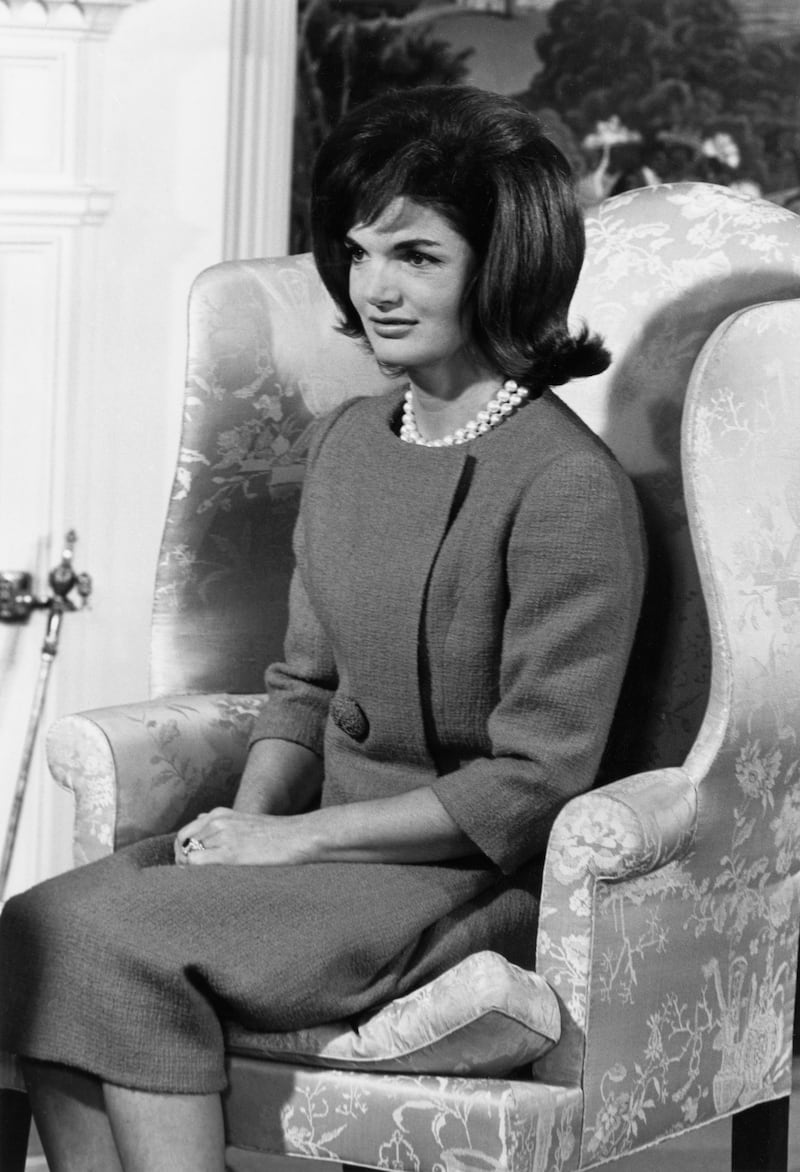
A group founded by first lady Jackie Kennedy to preserve the White House has come under fire for helping President Donald Trump demolish the very structure it was created to protect.

Kennedy established the White House Historical Association in 1961 to preserve the building’s character, ensure it remains “the People’s House,” and teach its history to future generations.
But the organization’s leadership knew for months that Trump was planning to bulldoze the East Wing to build his massive ballroom vanity project—and remained silent the whole time, The Washington Post reported.
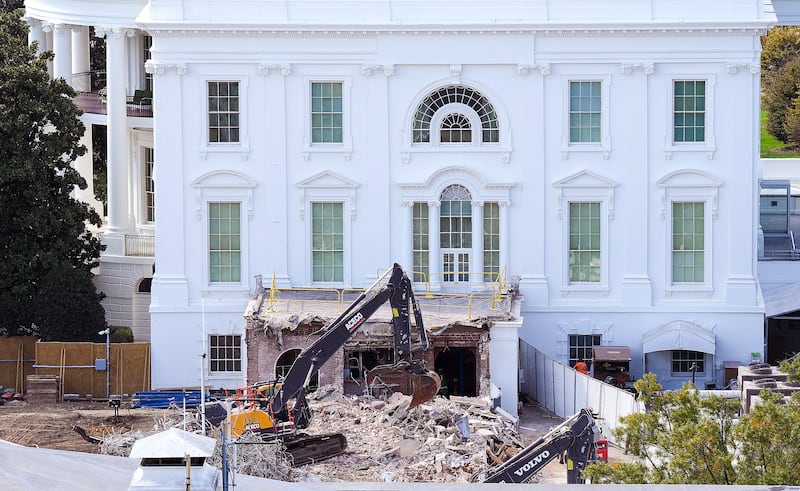
The association also cultivated close ties with the president and made dubious arguments in favor of his renovations—despite raising money for decades based on a stated mission of protecting the historic structure, according to the Post.
“Jackie Kennedy founded the organization because she thought the White House should be treated like a museum,” Rebecca Miller, the executive director of the DC Preservation League, told the Post. “The White House Historical Association’s complicity towards this administration’s actions is not in that spirit.”
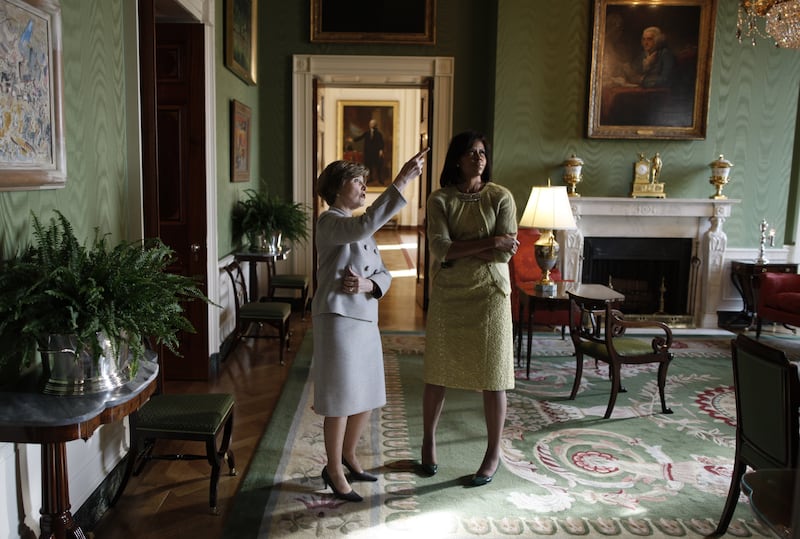
In late June 2025, after Trump had announced his plan to unilaterally build a ballroom, the association’s CEO Stewart McLaurin posted a LinkedIn essay called “An Ever-Changing White House” that argued that many renovations that started out as controversial eventually came to be seen as “integral to the identity of the White House.”
His essay, however, completely ignored the fact that all of those changes were made in careful consultation with Congress, architects, and historians, according to Ed Lengel, who worked for two years as a historian for the association.
Those consultations were designed to guarantee that any renovations were “consistent with the founders’ vision of what the White House should be, and to ensure that these changes are an organic growth from past development,” Lengel told the Post.
“This is not the same thing,” he added.
About a month after McLaurin’s essay, the association’s leadership “first learned of the planned demolition to the East Wing when the White House issued a press release on July 31, 2025, announcing the Ballroom plans and citing the chosen location of the Ballroom as the location of the current East Wing,” a spokesperson told the Post.
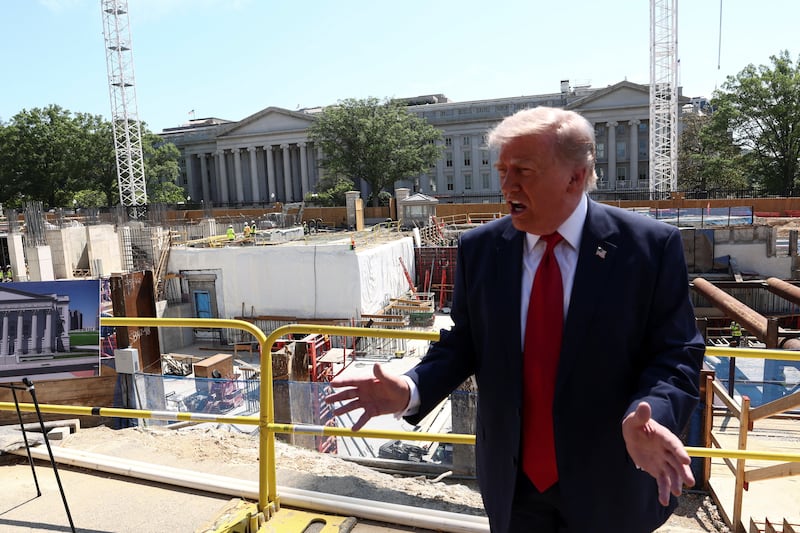
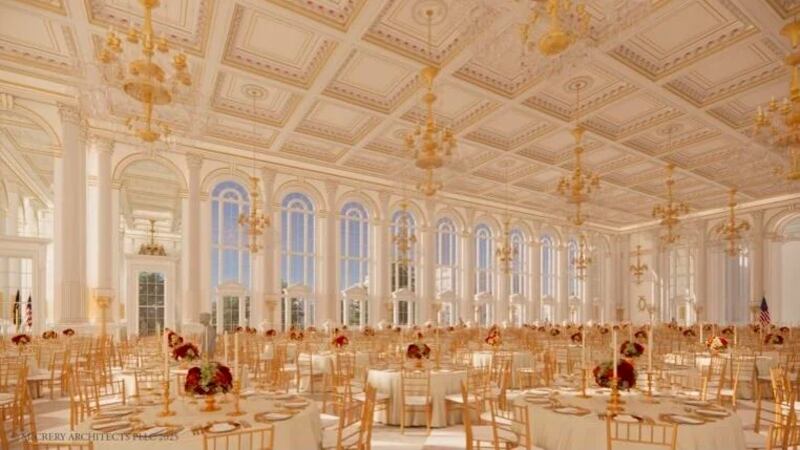
That press release, however, didn’t mention demolition. In fact, Trump said that very day that his ballroom “won’t interfere with the current building. It won’t be. It’ll be near it but not touching it — and pays total respect to the existing building, which I’m the biggest fan of.”
The 90,000-square-foot structure will cost hundreds of millions of dollars and will dwarf the Executive Residence where presidents and their families have traditionally lived.
Instead of warning the public or opposing the demolition, the White House Historical Association quietly commissioned a final set of photographs of the East Wing, with photography beginning about a week before the demolition.
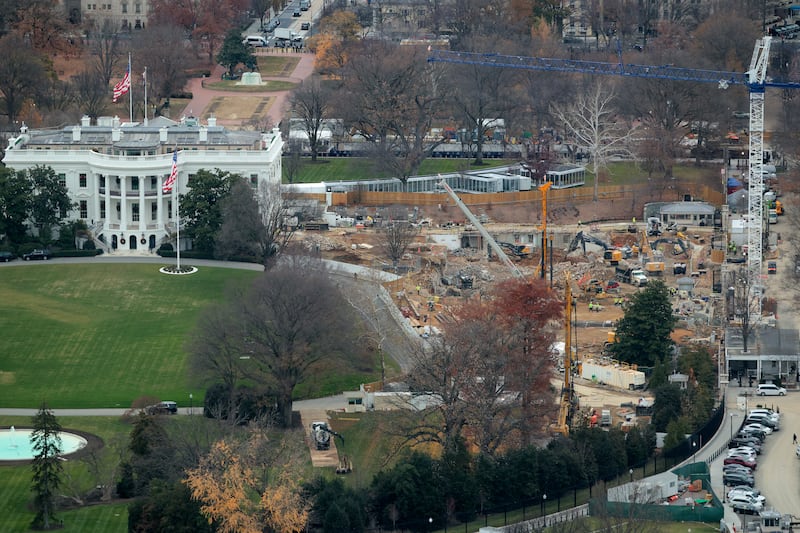
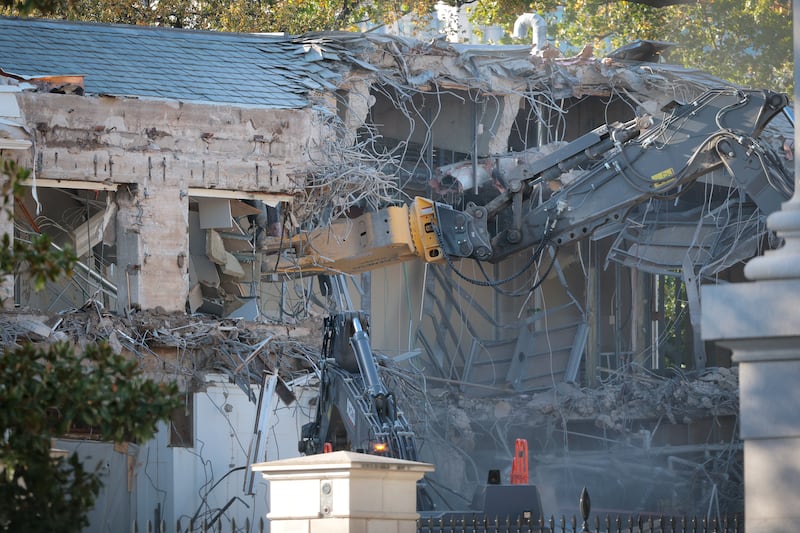
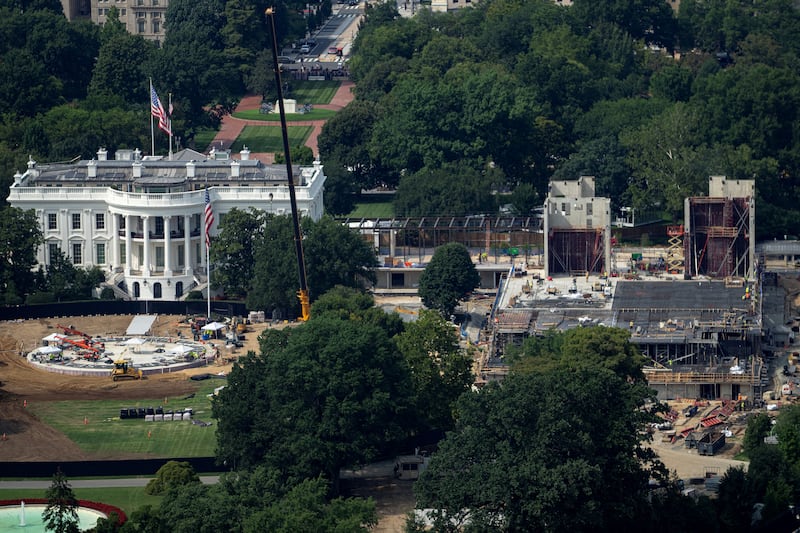
The public, members of Congress, and even some members of the Trump administration, on the other hand, were shocked when bulldozers began razing the East Wing—which was built in 1902 and renovated and expanded in 1942—on October 20, 2025.
The association spokesperson nevertheless insisted to the Post that “The Association learned about the president’s plans to demolish the East Wing the same way that the public did.”
The spokesperson also said its work was nonpartisan and remained “aligned with the mission” laid out by Kennedy.
“The Association continues its work in historical research, education and preservation of the White House collection,” the spokesperson said.
The Daily Beast has also approached them for comment.
Some legal experts also told the Post that if the White House Historical Association had been willing to join other preservation groups in challenging the ballroom in court, the groups suing to halt construction might have had a better chance of success.
The Supreme Court ruled last month 5-4 that the National Trust for Historic Preservation didn’t have standing to sue, but suggested potential plaintiffs could still exist.

The White House Historical Association might have been able to make a stronger argument that it was harmed by the president’s demolition and construction, given its explicit mission of preserving the White House.