
Vladimir Putin’s subjects have had a dreadful summer, and it’s all thanks to him.
Ukraine flipped the focus back onto the invader after four and a half years of war on its territory.
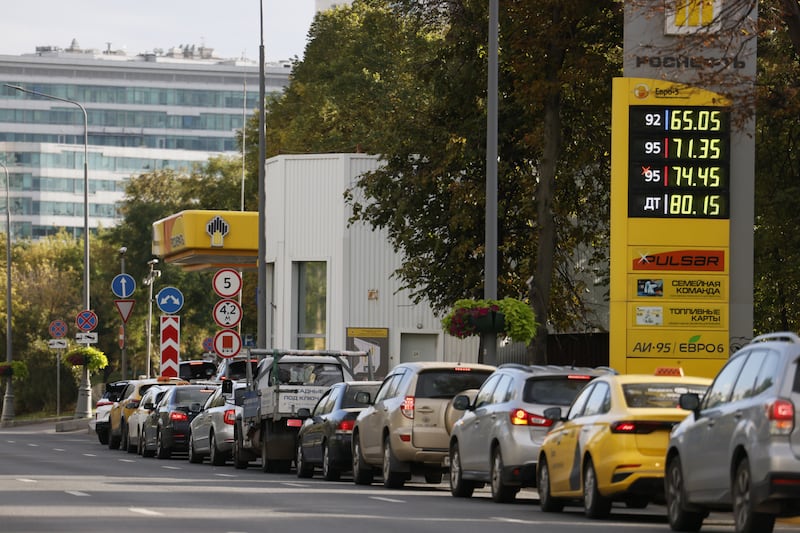
The Ukrainians are terrorizing Russia with drones and helping to paralyze its economy through sabotage and targeted bombings. Millions of Russians are facing both the threat of death and long lines for gas.
Putin is now on the back foot at home, where he is becoming increasingly insular and paranoid, as well as abroad, where the death toll has soared past half a million.

Ukraine’s onslaught of drone attacks has become a tsunami. Analysis conducted by the Associated Press using Russian figures shows that the military was forced to intercept 43,000 drones over annexed Crimea in the last three months alone. In all of last year, that number was just 7,700.
“We were living a normal life, and then suddenly it’s like this,” retiree Margarita told AP in Moscow.
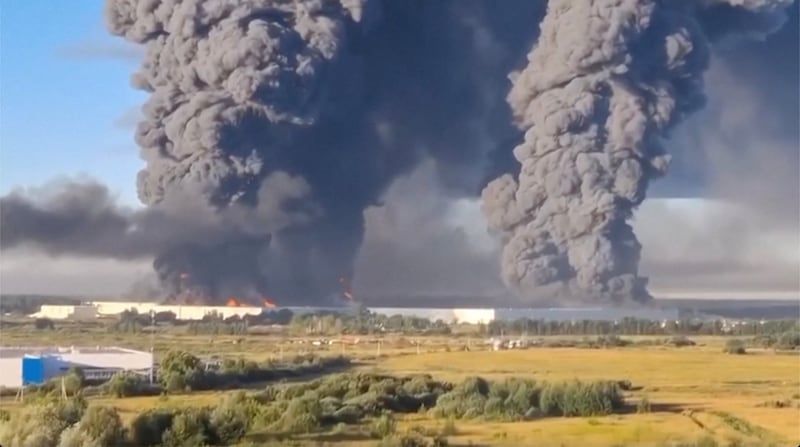
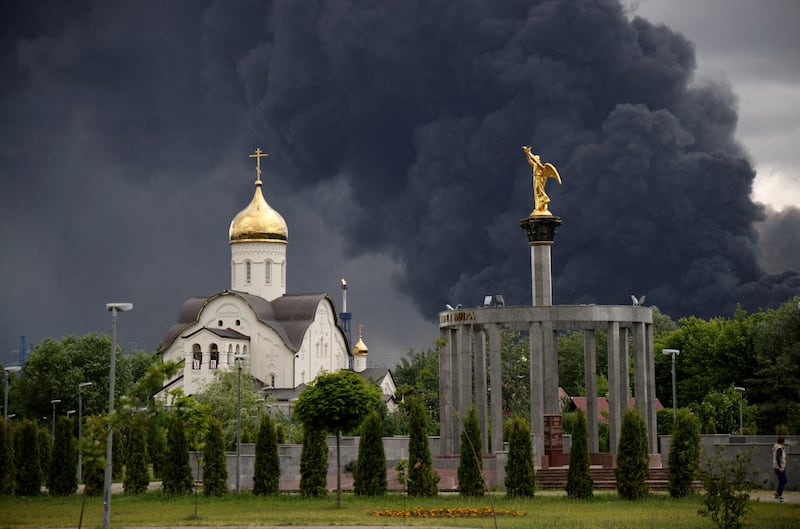
Ukraine’s drones have targeted an array of critical infrastructure nodes; attacks on Russia’s oil refineries have been particularly damaging. Oil and gas are the spine of the Russian economy, and refineries turn its vast fossil fuel reserves into exports sold worldwide.
Ukraine sees Russia’s oil industry at the heart of the war: gas is either sold abroad to finance the war, or it ends up directly in the Kremlin’s tanks.
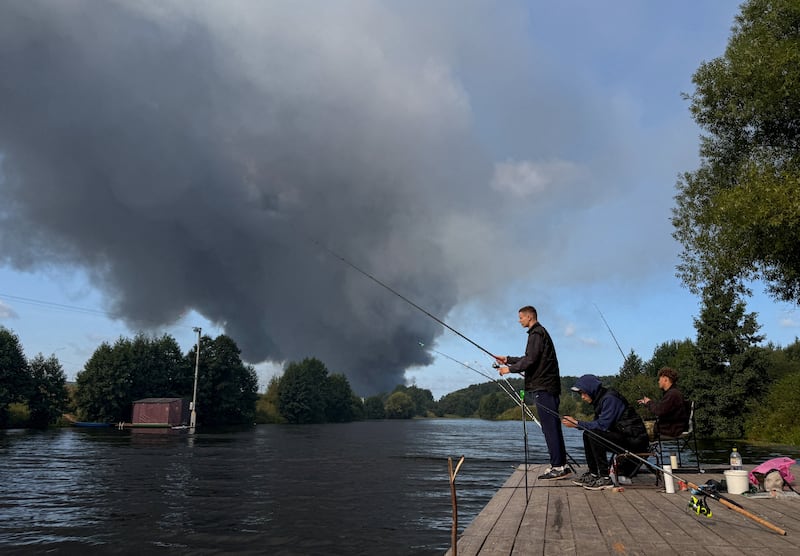
Kyiv has struck fuel targets across the country, sending up huge columns of acrid smoke that tower over the landscape and the cities below.
In August, it struck the Bashneft-Novoil and Slavneft-Yanos refineries, both hundreds of miles from the Ukrainian border. Reuters reports that it has also hit Norsi, the country’s fourth-largest refinery, as well as facilities in Novoshakhtinsk, Afipsky, Volgograd, Ryazan, and Moscow.
The crisis has forced Russia—a titan of the global oil trade—to seek help from abroad. Kazakh Energy Minister Yerlan Akkenzhenov said last week that Kazakhstan had begun importing Russian crude oil, which it would then refine before returning 70 percent to Russia, Radio Free Europe reports.
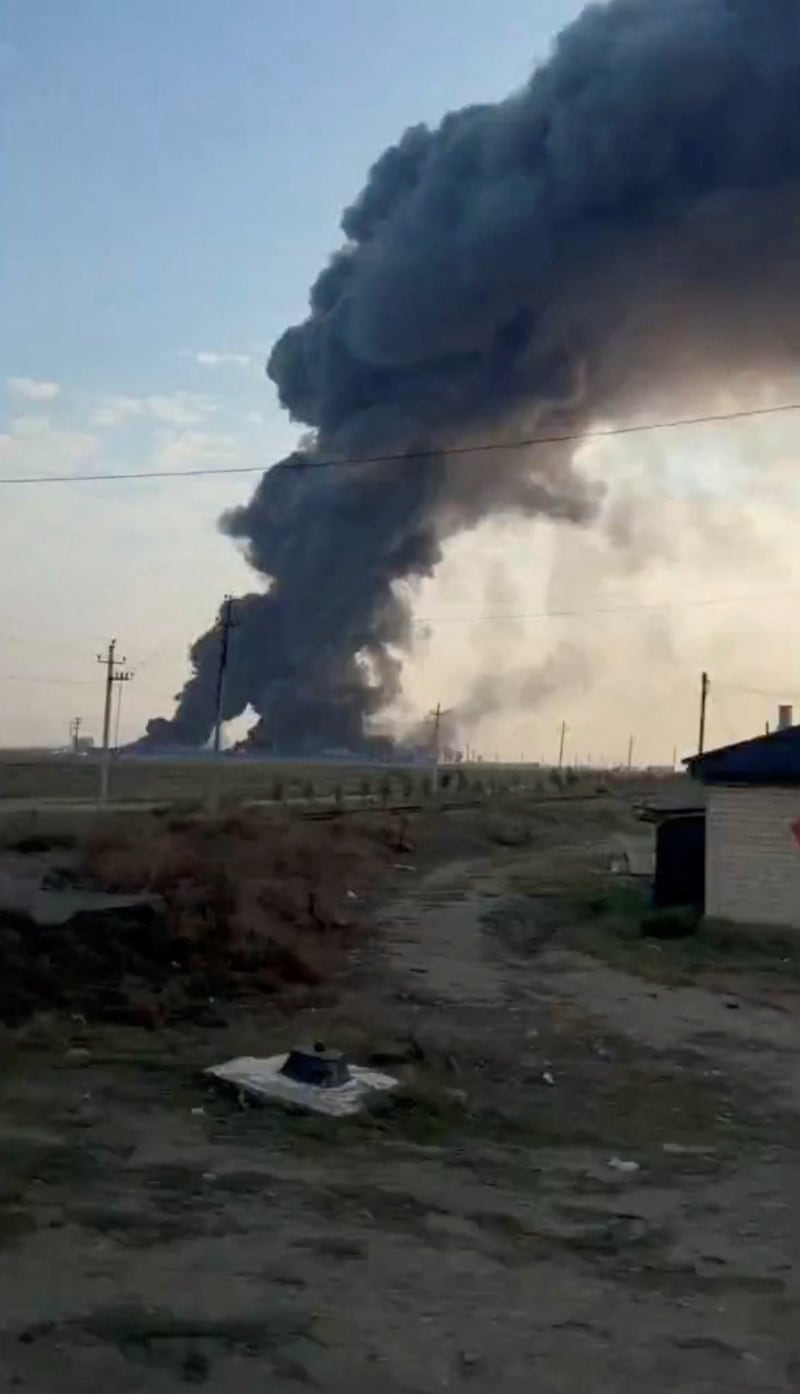
The pandemonium has been compounded by Ukraine’s attacks on major e-commerce facilities belonging to the country’s biggest online retailers, Wildberries and Ozon.
Putin too is under more pressure. Russia demands results, and his primary aim of securing the Donbas region—the easternmost part of Ukraine, made up of Donetsk and Luhansk—has not yet been achieved.
Reports have suggested that he has become more isolated, fearful of Ukrainian assassinations or threats from inside Russia. As a result, he has also become more reliant on his security service, the FSB, which is reported by Bloomberg to be taking more and more power to limit the influence of the wartime elite.
Meanwhile, public support for the war appears to be slipping. Putin has long relied on the silent consent of the Russian people, but signs of dissatisfaction are emerging, with data from the Levada Center showing his approval down more than 10 percentage points from 87 to 76 since September last year.
“People are grumbling more, they’re talking more,” said Macro-Advisory Ltd. CEO Chris Weafer. The consultancy has a Moscow hub.
In September, Russians will go to the polls for the State Duma elections, the first since the invasion.
While Putin’s United Russia will win, how smooth that process is remains to be seen.
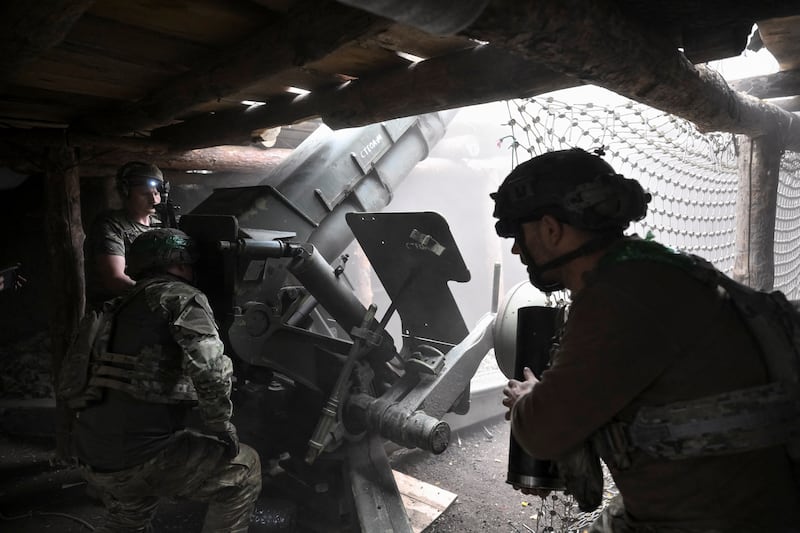
“Elections are a time when people should reflect on themselves, the country, where it’s going and what to do about it,” senior research fellow at the NEST Center Nikolay Petrov told AP. No matter how certain the overall outcome is, “things that are unexpected, inconvenient [and] painful for the authorities” are always possible.
Meanwhile, rumors have spread that after the elections, the government plans another mass mobilization.
The move to drag hundreds of thousands of additional fighting-age men into the Ukrainian meat grinder would be hugely unpopular, and hard to do. The Conversation estimates that around 700,000 potential recruits have already fled the country.
Western officials now estimate that Russia is losing around 6,000 troops per week. Whether Moscow can keep up with that demand remains to be seen.
For Russians, quality of life may be about to get worse after Ukrainian president Volodymyr Zelensky issued a chilling warning: close Russia’s airspace to commercial planes.
“Although the Russian authorities are not properly informing people about this, Russian airspace will effectively be closing—the war started by Russia is closing its skies,” he said. “For now, the skies over Russia are for drones—not for civilian aviation.”