A federal judge has blocked the U.S. Postal Service from enacting rules that would allow the Trump administration to decide which voters are allowed to cast mail-in ballots in November’s midterm elections.

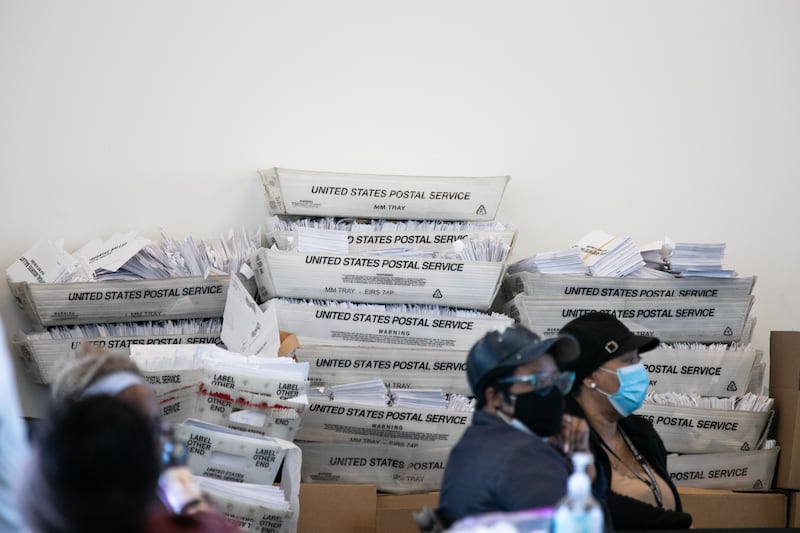
The rule, adopted Wednesday in response to a March executive order from President Donald Trump, requires the USPS to regulate and approve the design of states’ ballot envelopes and oversee a federal database of absentee voters.
Effective immediately, it also bars the postal service from delivering mail-in ballots in states that haven’t obtained envelope approval and submitted their voter rolls to the Trump administration.
Judge Indira Talwani issued a temporary restraining order on Thursday, stopping the rule from taking effect for 14 days, capping a week of contentious litigation on the issue.
In her order, Talwani wrote that the record “continues to lack any evidence regarding fraudulent absentee or mail-in voting,” despite Trump’s repeated claims that new rules are necessary to combat voter fraud.
“The USPS’s interest in correcting an unsubstantiated problem through likely unconstitutional means is dwarfed by the overwhelming risk of pervasive disenfranchisement of citizens who need access to mail ballots in order to vote,” Talwani, a Barack Obama appointee, wrote in her temporary restraining order.
The case, which is led by a coalition of states and voting-rights groups, is one of at least five lawsuits challenging Trump’s executive order.
For years, Trump has railed against mail-in voting, despite court records and independent audits finding voter fraud to be extremely rare.
“Mail-in voting means mail-in cheating,” Trump complained at a roundtable event in March. “I call it ‘mail-in cheating,’ and we’ve got to do something about it.”
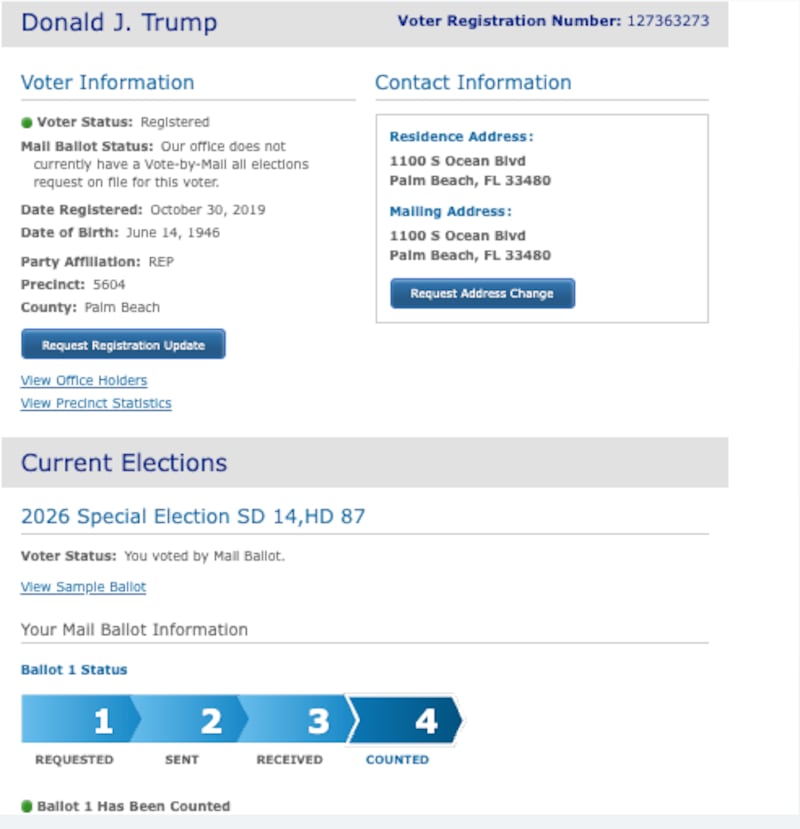
That same week, he voted by mail in a special election in the Florida state legislature, and earlier this month, he cast an absentee ballot in Florida’s Republican primary.
Talwani’s ruling noted that the Constitution explicitly gives states the power to administer elections while granting Congress an oversight role, but said Congress had not adopted any legislation that would allow the USPS to regulate election mail.
Besides likely being illegal, the regulations were “practically impossible” to follow given that the midterms are just over two months away, Talwani added. State law requires some states to begin sending out their ballots as early as next week.
During a September 3 hearing, she will consider whether to extend Thursday’s restraining order beyond 14 days, Reuters reported.
The Daily Beast has reached out to the White House and USPS for comment.
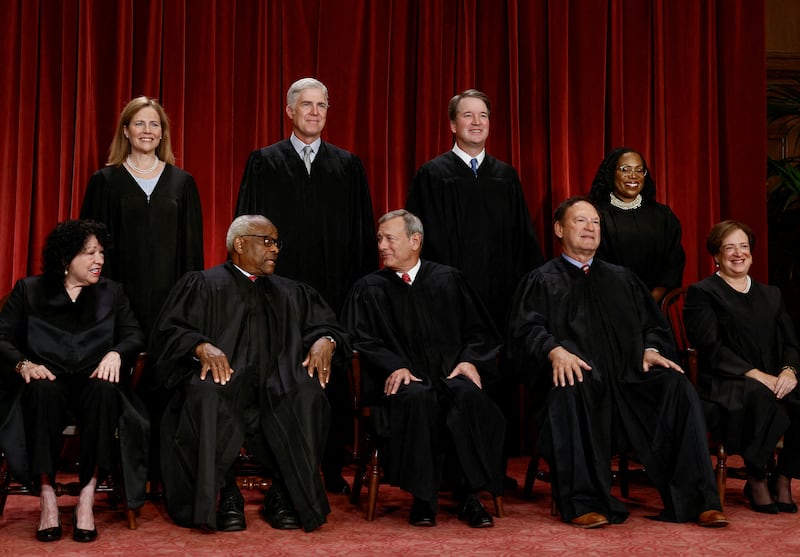
Talwani’s decision came just three days after the Supreme Court’s six conservative justices voted to overturn a separate lower court ruling that stopped the USPS from adopting the rule while it was still in the proposal stage.
“Federal courts review final rules, not proposed rules—and certainly not antecedent internal directives to a proposed rule,” the justices wrote in an unsigned order.
The decision, however, did not address the proposed rule’s lawfulness.

Two days later, the USPS’s final rule was issued and took effect, making Thursday’s restraining order appropriate, Talwani reasoned.
The administration’s efforts to limit mail-in voting come as White House insiders have expressed alarm about Republicans’ chances in November, given Trump’s record-low approval ratings and widespread voter dissatisfaction with the war in Iran and the cost-of-living crisis.