Judges Smack Down Trump Attack Dog’s ‘Garbage’ Cases
Jeanine Pirro has tried to prosecute nearly every person arrested in Washington, D.C., as part of the president’s federal surge.

Andrew Harnik/Getty Images
Federal judges have rejected nearly a dozen cases brought by President Donald Trump’s hand-picked top prosecutor in Washington, D.C., after finding they were based on unconstitutional police stops.

U.S. Attorney Jeanine Pirro’s office has decided to prosecute nearly every single arrest from last year’s surge of National Guard members to the nation’s capital, which Trump touted as a way to put dangerous criminals behind bars.
But the Department of Justice has been forced to drop scores of illegal gun possession cases that Pirro’s office should have flagged from the beginning as too weak to prosecute, legal insiders told CNN.

Some of the cases have been dropped or dismissed after months of briefings and hearings, wasting valuable time and resources on meritless cases, and hurting the U.S. Attorney’s Office’s credibility in the eyes of the federal judiciary.
“You have to have people willing to exercise restraint and say, ‘This is a garbage case,’” a former prosecutor told CNN.
Get the best of The Beast delivered right to your inbox
By clicking “SUBSCRIBE” you agree to our Terms of Use and Privacy Policy.
Legal insiders previously warned that, besides the judges, Pirro has also “lost the jury pool” in D.C. by bringing politically motivated cases against the president’s enemies.
Pirro defended her team’s record, telling the network earlier this week, “Look, crime is at a historic low. You can’t criticize this office.”
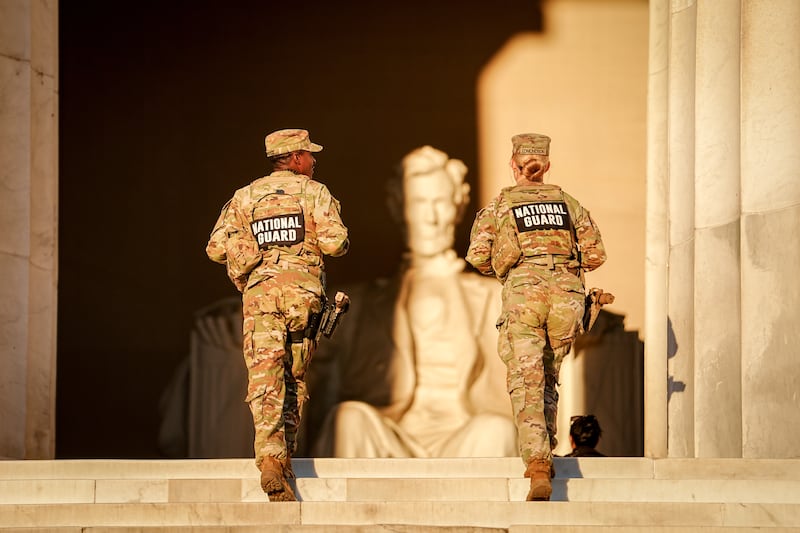
President Trump deployed National Guard soldiers to patrol the streets of Washington, D.C., last year, even though they didn't have domestic police training or experience.
dpa/picture alliance via Getty I
The former New York county judge and Fox News host also said that when it comes to Trump’s surge, she’s “willing to take cases that are close calls to protect the community, even though that does not mean a judge will always agree with us.”
The Daily Beast has also reached out for comment.
But the former prosecutor, who focused on gun possession, told CNN that the goals of policing and prosecution were different.
Police need to be focused on public safety and might make a bad stop that nevertheless gets an illegal weapon off the streets. That doesn’t mean a prosecutor should waste their time on a bad case.
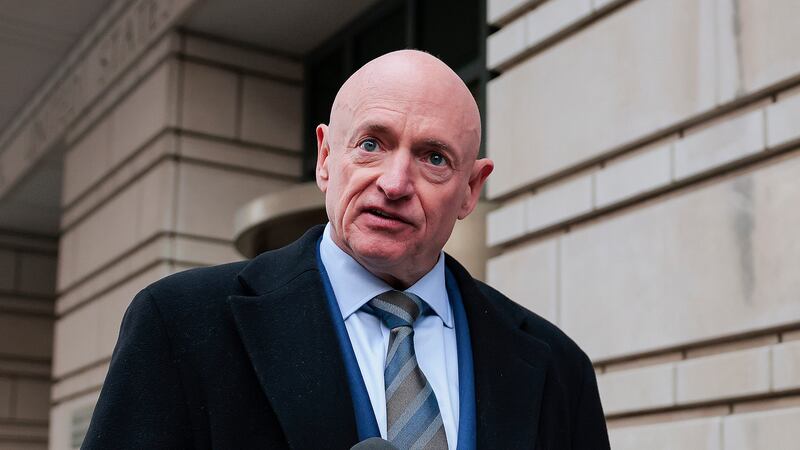
Legal insiders say Jeanine Pirro has "lost the jury pool" in D.C. by bringing weak cases against President Trump's enemies, including Democratic Sen. Mark Kelly of Arizona.
Heather Diehl/Getty Images
In one case, a swarm of federal officers canvassing the streets surrounded a man’s car because he was double-parked, then searched the car without having a valid legal reason to do so, the judge in the case found.
Officers found an illegal handgun, but since the search was illegal, the evidence could not be presented in court, effectively ending the case.
In another case, a law enforcement officer stopped a man who was jaywalking in downtown D.C. while eating ice cream.
The officer, who had never done a jaywalking stop before, checked the man’s ID and noticed he was under court supervision from a prior case, and that he was carrying small bags of marijuana, which is legal in DC.
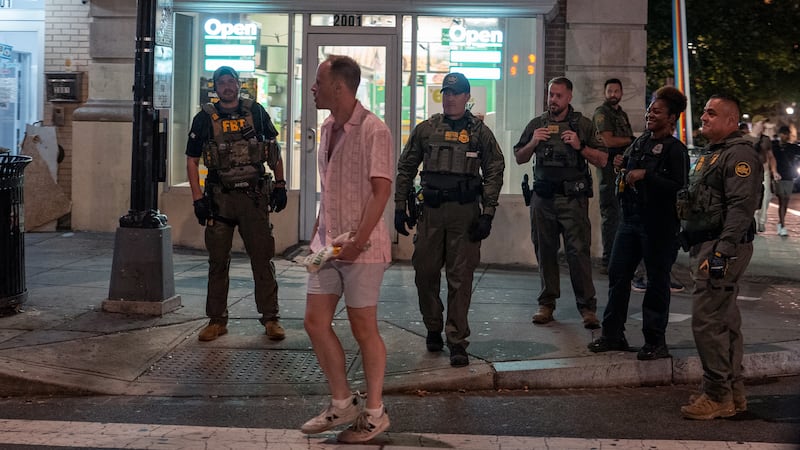
Jeanine Pirro has aggressively prosecuted cases related to President Trump's federal surge, including her failed case against a man who threw a Subway sandwich at federal agents.
Andrew Leyden/Getty Images
The police then grabbed the man’s satchel and found a gun inside, but since the marijuana was legal, the officer didn’t have probable cause to search the bag, the judge ruled.
Once again, the evidence of the search had to be thrown out under Supreme Court precedent interpreting the Fourth Amendment, which protects against unreasonable searches and seizures.
Before Pirro took over, the U.S. Attorney’s Office used a data-driven approach to determine which cases were sound enough to charge, and prosecutors maintained close, long-standing contacts with the city’s detectives to help train officers on proper stops and searches, CNN reported.
But the office has been purged of experienced prosecutors through firings and resignations, with the team of prosecutors working on federal major crimes, including gun and drug cases, shrinking to half of what it was before Trump took office.
The remaining attorneys, who are generally less experienced and have fewer prosecutors to mentor them, are facing a heavier workload thanks to Trump’s surge, CNN reported.
See more of our coverage in your search results.

Got a tip? Send it to The Daily Beast here.
Register below to read this article for free or subscribe
to unlock unlimited access to The Daily Beast.
Monthly
$1
First month then $5.99/month
Annual
$35
First year then $59.99/year
Premium
$79
First year then $119.99/year
*Substack access provided by the next business day, using your subscription email. Choosing the Premium plan constitutes your permission to share your subscription email with Substack and your agreement to Substack’s Privacy Policy.
Already have an account? Sign In
Looks like you already have a subscription!
You're all set!
Thanks for subscribing.
Sign in or create an account
Login dialog
Loading comments…