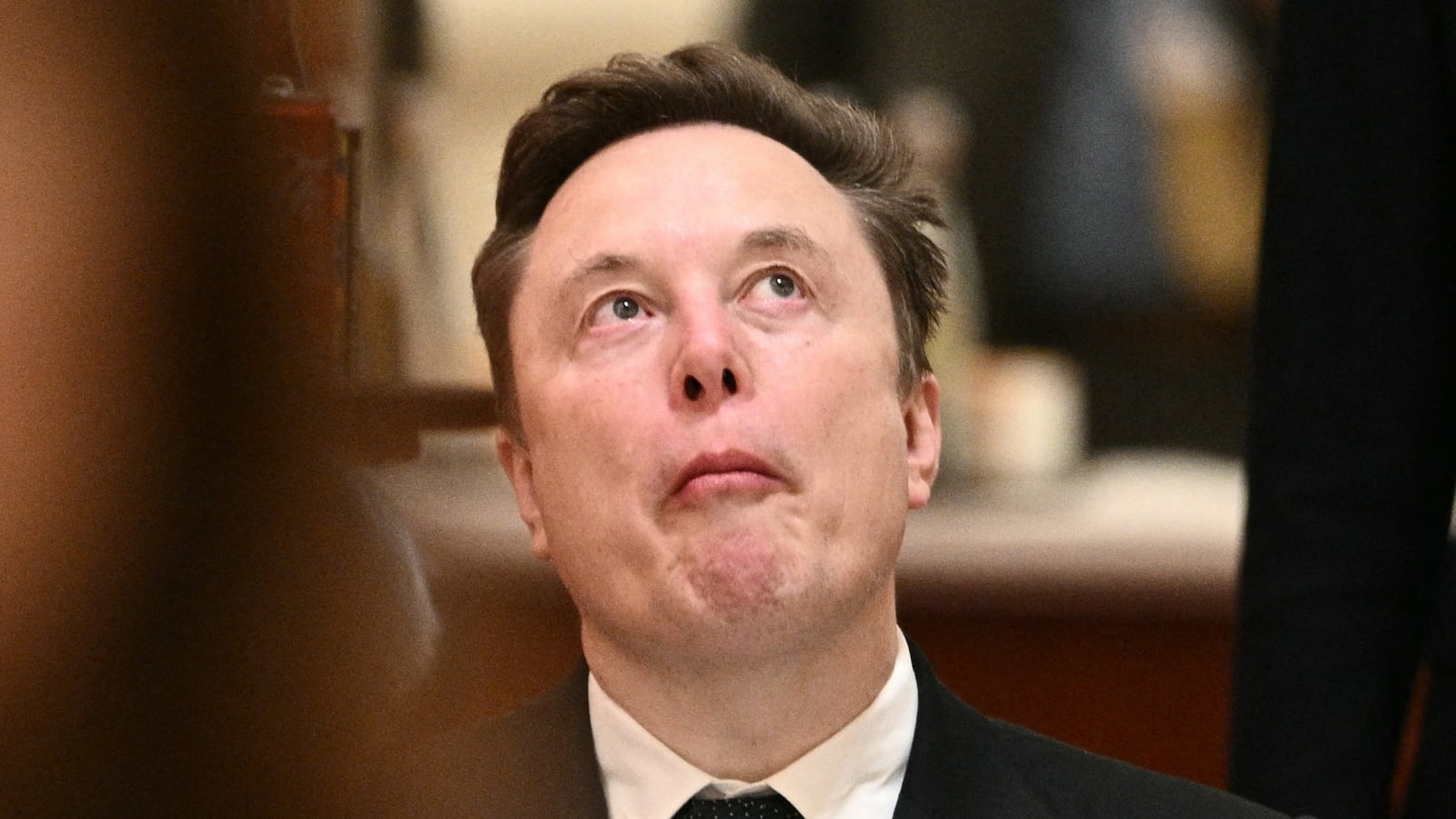
A nine-person jury unanimously rejected Elon Musk’s lawsuit against OpenAI on Monday after the world’s richest man accused the tech giant he co-founded of not operating in the interest of the common good of humanity.
The trial, which lasted over three weeks in Oakland, California, came to a close on Monday after the panel ruled that Musk did not bring his claims until after the three-year statute of limitations had expired, thereby invalidating his lawsuit, according to The New York Times.
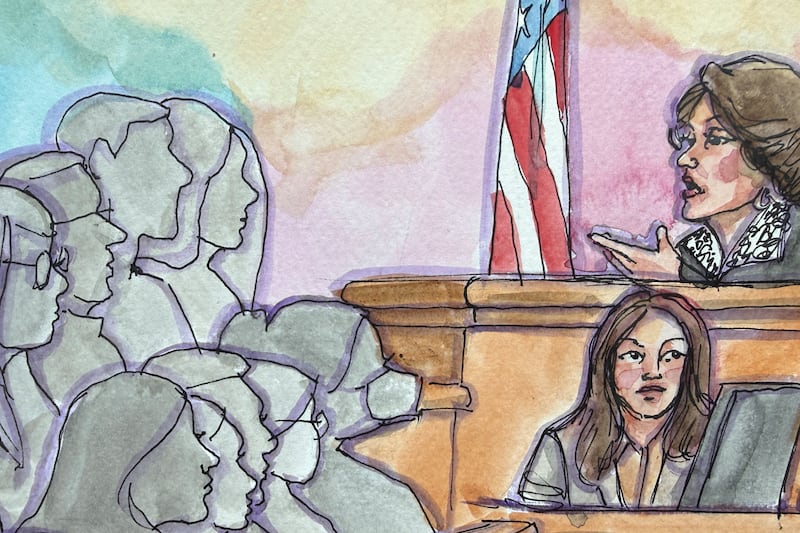
Musk, 54, first filed his suit against the artificial intelligence behemoth during the summer of 2024. The jury, however, found that Musk was aware of the company’s actions since at least 2021, long before he filed the case.
The $801 billion man alleged in the suit that the $852 billion company and its leaders, CEO Sam Altman and president Greg Brockman, had “stolen a charity” and violated its founding agreement by attaching a commercial entity to the start-up’s initial nonprofit mission.
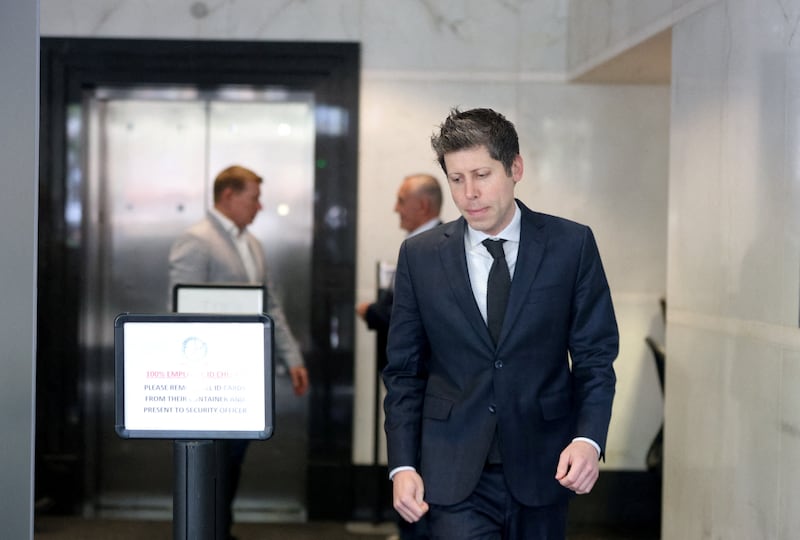
The Tesla and SpaceX CEO also accused the company’s executives of taking billions of investment dollars from Microsoft and enriching themselves through the nonprofit.
Musk added antitrust claims against the ChatGPT creator and Microsoft, a major shareholder that has access to OpenAI’s technology through 2032, to the suit in November 2024.
The hot-and-cold ally of President Donald Trump sought $150 billion in damages and the removal of Altman from the OpenAI board of directors. Shivon Zilis, the mother of four of Musk’s 14 known children, is a former OpenAI board member.
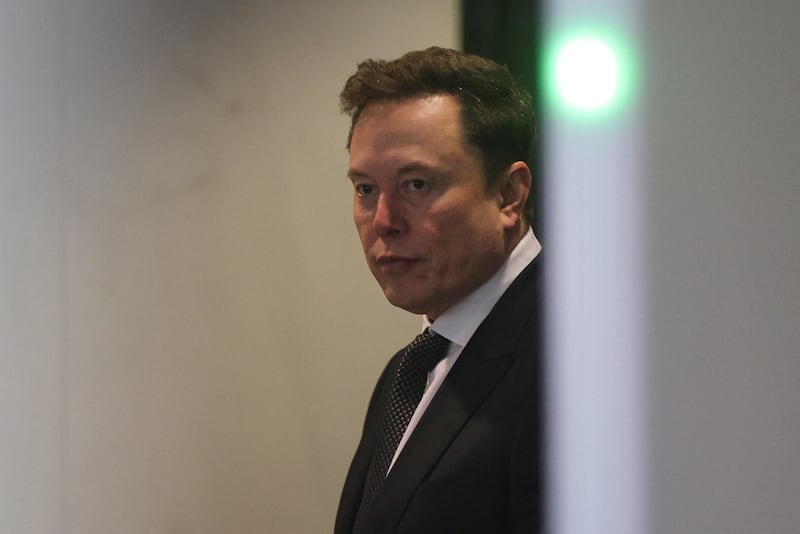
The jury’s decision strikes a major blow to AI competitors such as Anthropic and Musk’s own xAI.
The Times reported that Judge Yvonne Gonzales Rogers told Steven Molo, Musk’s lead counsel, that the antitrust claims were “not very good claims,” adding that there “is a lot of competition in the industry” around AI.
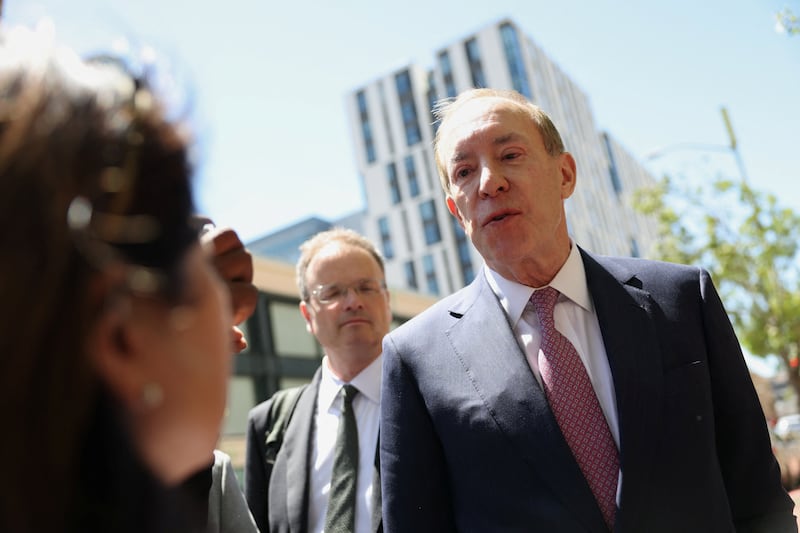
“We’re disappointed in the jury’s verdict on the technical legal defense of statute of limitations. There’s been no finding on the breach of charitable trust claim, which we believe is strong. We plan to appeal,” Molo told the Daily Beast.
The Daily Beast has reached out to OpenAI and the office of another Musk lawyer, Marc Toberoff, for comment.
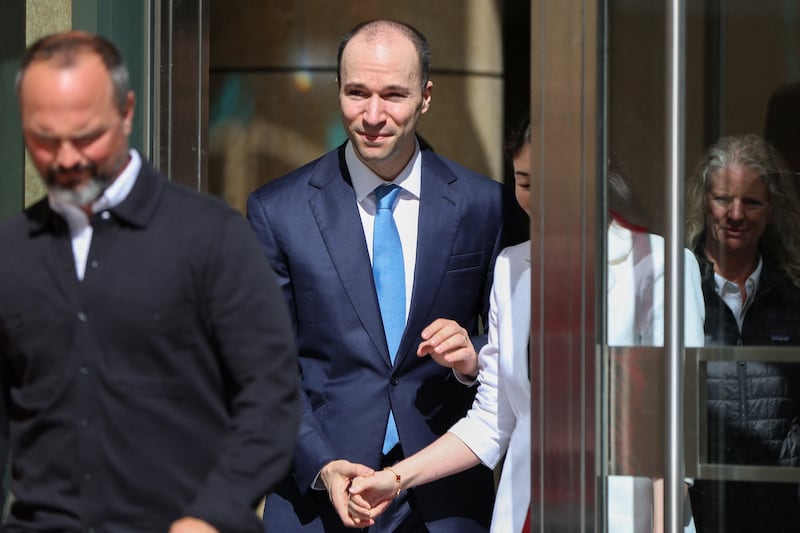
Now that Altman, 41, has free rein to command the rising tech giant as he sees fit, OpenAI is on track to debut one of the largest initial public offerings in history if it hits the public market.
The company announced in late March that it had closed its funding round with a post-money valuation of $852 billion, according to CNBC.
The tech giant can also pursue a data center expansion initiative that could cost hundreds of billions of dollars.
Musk co-founded OpenAI alongside Altman in 2015 as a nonprofit start-up with a humanitarian mission. However, Musk left the company in 2018 after a power dispute.