A pioneering figure in network news has slammed CBS Editor-in-Chief Bari Weiss for spiking a 60 Minutes segment at the eleventh hour.
Katie Couric, 68, said the decision to cut a report on CECOT—the inhumane El Salvador prison where Venezuelan migrants were flown without due process this spring—was a “disgrace.”

Couric, a former 60 Minutes correspondent and the first solo female anchor of a major network evening news program, said the decision confirmed worst fears at CBS, where the 41-year-old Weiss was appointed to lead the newsroom in October.
“This is the kind of censorship journalists at CBS feared,” Couric posted on Instagram. “It’s appalling but not surprising. And now it’s happening—what a disgrace.”
The incensed Couric added, “This is what happens when network owners are beholden to an administration for their business transactions.”
CBS’s Trump-friendly CEO, David Ellison, appointed Weiss to lead CBS. Critics have described her promotion—part of a deal that saw her right-leaning media company, The Free Press, purchased by Paramount Skydance—as a concession to the administration. Ellison is pursuing a deal to acquire Warner Bros Discovery, which owns CNN, HBO, HGTV, and more, and it needs the administration’s approval.
Leaks from a newsroom meeting said that Weiss held the 60 Minutes segment because it “wasn’t ready.”
She added, according to CNN, “The story presented very powerful testimony of abuse at CECOT, but that story has already been reported on by places like The Times. The public already knows Venezuelans have been subjected to horrific treatment in this prison.”
Weiss also expressed dissatisfaction that 60 Minutes had not secured an on-camera interview with someone from the White House, like Homeland Security Adviser Stephen Miller.
The 60 Minutes correspondent behind the piece, Sharyn Alfonsi, said she sent requests for comment to Homeland Security, the White House, and the State Department, but they went unanswered. She described the practice of holding a story until receiving comment as a “tactical maneuver designed to kill the story.”
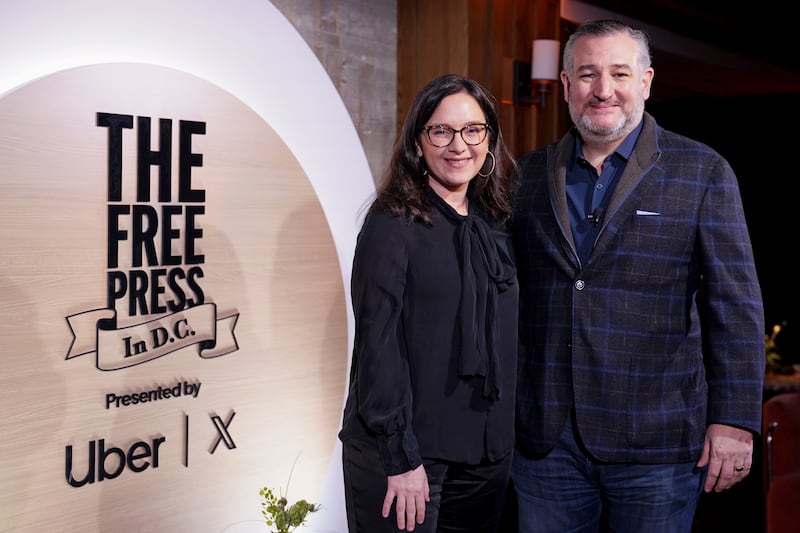
Alfonsi, 53, is as enraged as Couric.
“Our story was screened five times and cleared by both CBS attorneys and Standards and Practices,” she wrote in a statement. “It is factually correct. In my view, pulling it now—after every rigorous internal check has been met is not an editorial decision, it is a political one.”
It appears Weiss was not present for those screenings. The New York Times reported that longtime CBS host Scott Pelley and others “expressed frustration” that Weiss had missed screenings that would have led to the story being held sooner, before the network teased the episode on social media and on air.
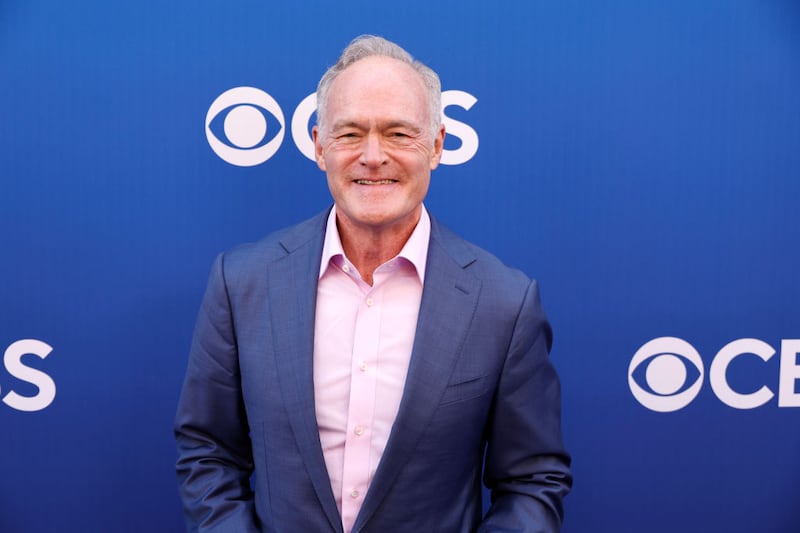
“It’s not a part-time job,” Pelley said, according to the Times.
It appears that the CECOT story, based on interviews with two Venezuelan men who were abruptly flown to the mega‑prison, may still air someday. The Guardian reported that Weiss said in a “big managers meeting” that the CECOT piece is “not dead.”
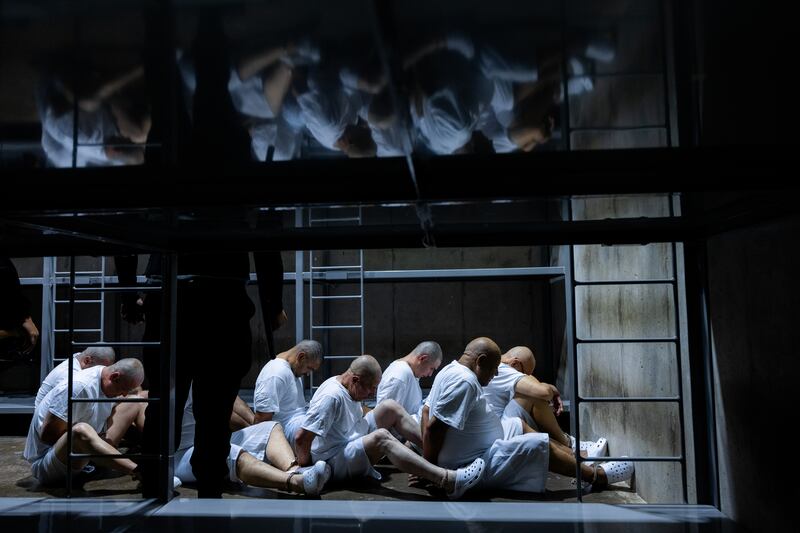
The piece is expected to paint the administration in a bad light.
CECOT is among the most notorious prisons in the world. Inmates are only permitted to leave their cells for 30 minutes each day for exercise, Bible study, court hearings within the prison, or placement into solitary confinement.
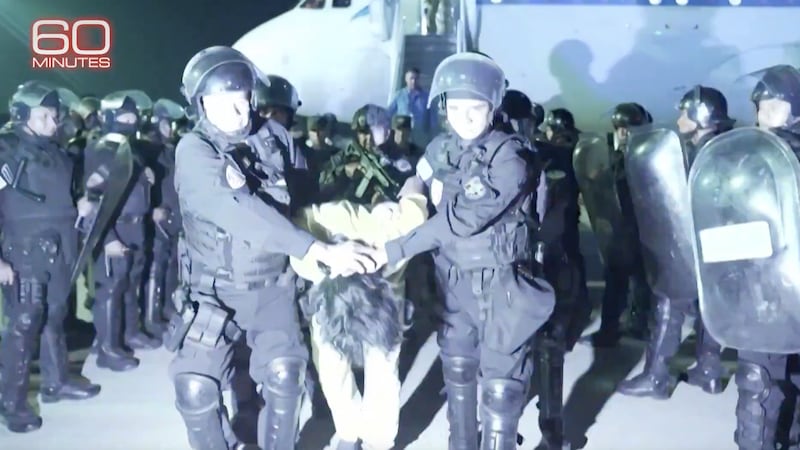
Prisoners never go outside, and Salvadoran officials have said that those held in the facility—who are also not allowed education, phone calls, or visitation—will be confined to inside its walls for the remainder of their lives.
Despite this, the Trump administration carelessly deported scores of Venezuelan migrants—and some Salvadorans, like Kilmar Abrego Garcia—there in March, claiming they were members of the Tren de Aragua gang.
Those flown to CECOT received no due process in the United States, and many loved ones of the prisoners said that they are not gang members. Many of those flown to El Salvador have since been released.