The Environmental Protection Agency is ending a decades-old practice of assigning a value to human life when reviewing the effects of certain air pollutants, a report alleges.
The agency, led by President Donald Trump appointee Lee Zeldin, will continue to document the costs businesses incur in complying with regulations, but not the value of lives saved by those regulations, according to internal emails leaked to The New York Times.
Such a reversal has been described as a “seismic shift” that is antithetical to the agency’s mission statement, which prioritizes human health and the environment.
The pollutants in question are fine particulate matter and ozone.
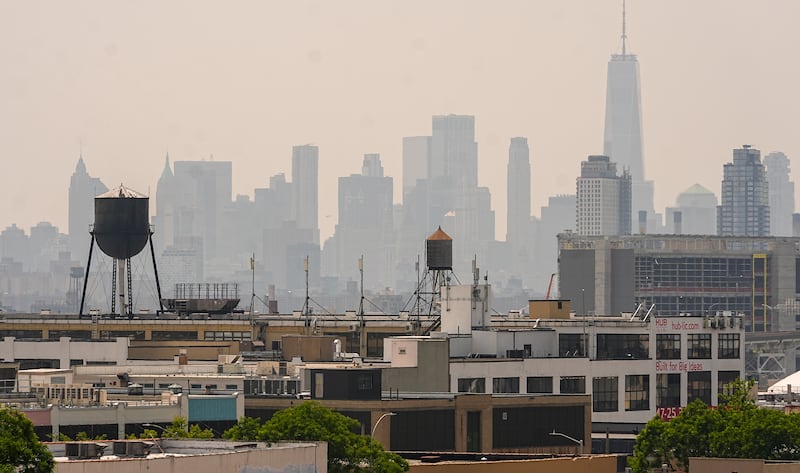
Fine particulate matter is particles less than 2.5 micrometers in diameter that can penetrate a person’s lungs and bloodstream. Even moderate exposure to these particles can damage the lungs about as much as smoking.
Ozone, a smog-causing gas emitted by power plants, cars, and factories, protects us from UV radiation when it is high in the atmosphere. However, when it is at ground-level and inhaled by humans, it is known to cause asthma as well as heart and lung disease.
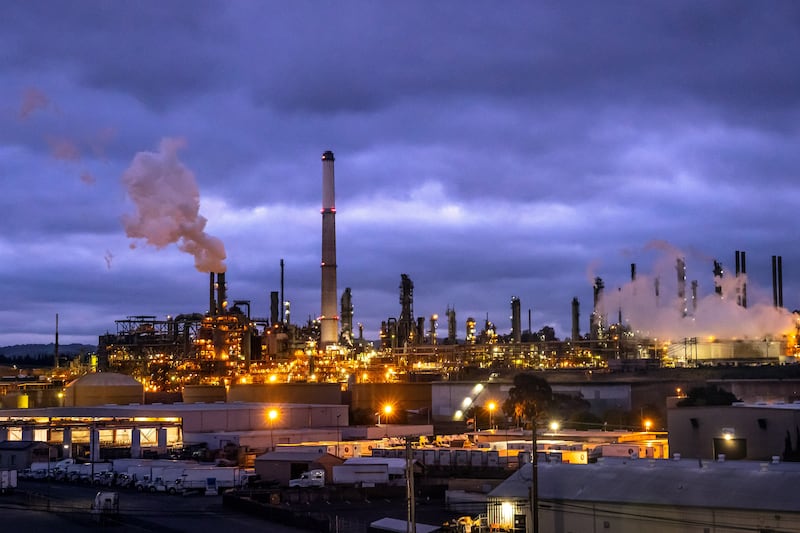
An official announcement about the policy change has not been released. Once implemented, the Times reports it will “make it easier to repeal limits on these pollutants from coal-burning power plants, oil refineries, steel mills, and other industrial facilities across the country.”
The paper added, “That would most likely lower costs for companies while resulting in dirtier air.”
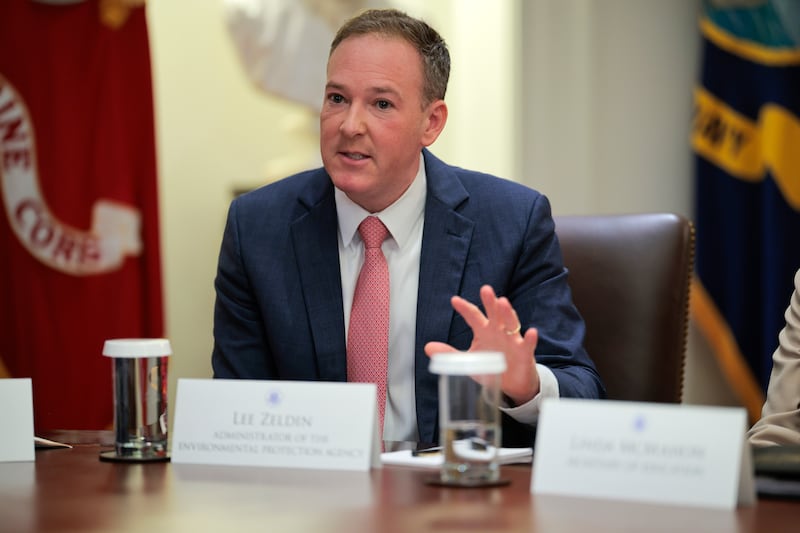
On X, Zeldin slammed the Times’ story and said its headline—“E.P.A. to Stop Considering Lives Saved When Setting Rules on Air Pollution”—was the “exact opposite” of what the agency intends to prioritize.
“Cute BS headline. Entirely untrue, but the NY Times won’t ever let the truth get in the way of their desire to dumb down their readers,” Zeldin posted. “The Times posted this ENTIRELY AWARE that EPA will continue considering lives saved when setting pollution limits.”
“EPA, like the agency always has, is still considering the impacts that PM2.5 and ozone emissions have on human health, but the agency will not be monetizing the impacts at this time,” an EPA spokesperson told the Daily Beast.
“As you know, the Biden administration also didn’t monetize many air pollutants in their rules,” the spokesperson continued. “Did you ask them if they were abdicating their duty to protect human health and the environment? Not monetizing DOES NOT equal not considering or not valuing the human health impact. EPA is fully committed to its core mission of protecting human health and the environment.”
The Biden administration tightened the permissible limits on fine particulate emissions from industrial facilities. A 2024 EPA study determined that the change would prevent up to 4,500 premature deaths and 290,000 lost workdays by 2032.
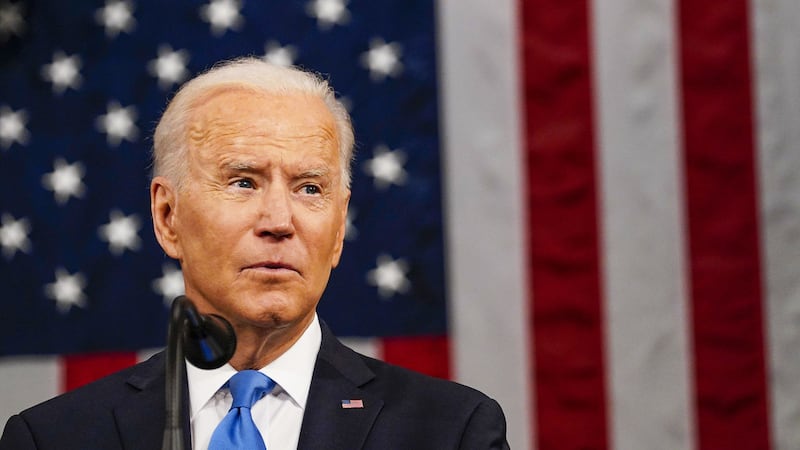
Those figures are considered “doubtful” by the Trump administration, says documents obtained by the Times. Disagreements over the number of lives saved by environmental regulation are common across administrations, but the Times reports that no administration has abandoned the practice entirely in the last 40 years.
An EPA supervisor’s internal email from December stated that “the EPA’s analytical practices often provided the public with false precision and confidence regarding the monetized impacts of fine particulate matterand ozone,” according to the Times.

To “rectify this error,” the email continued, the EPA would no longer monetize benefits from fine particulate matter and ozone.
Richard Revesz, faculty director of the Institute for Policy Integrity at New York University School of Law, said the policy change nullifies what the EPA was created to do.
“If you’re only considering the costs to industry and you’re ignoring the benefits, then you can’t justify any regulations that protect public health, which is the very reason that EPA was set up,” he told the Times.