A noticeable shift is underway on the American left. Progressives who once spoke confidently and consistently about the dangers posed by guns are now, increasingly, buying firearms themselves.
“If more guns made us safer, we’d be the safest country on Earth. It doesn’t work that way,” quipped then-rising star presidential contender Pete Buttigieg in 2020. Fast forward to 2025, where the Liberal Gun Club, a group that trains and educates liberals about guns in over 30 states, reported seeing over 60% membership growth in the year following Trump’s return to office. Gun shops and community defense groups report growing interest from people who until recently would have dismissed personal gun ownership as unnecessary or even reckless.
Many cite concerns with the openly authoritarian Trump administration, rising political violence and the sense that institutions meant to protect are either weakened or being repurposed against them. What was once framed as an outdated cultural obsession of the right is now being reconsidered, quietly but seriously, as a form of insurance.
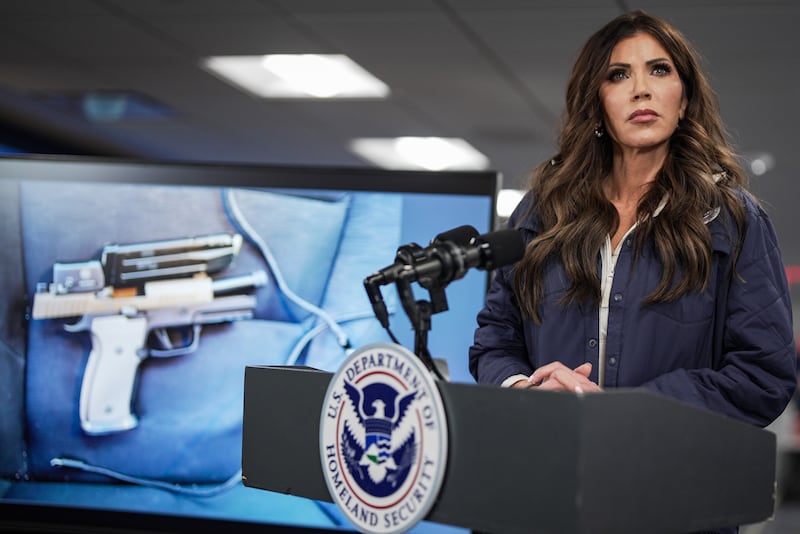
The anxiety is understandable. The second Trump administration has shown a willingness to retaliate against critics, defy courts and target innocent people. This has been particularly apparent in the ‘crackdown’ on undocumented immigrants—and the American citizens standing up for their human rights. Federal immigration enforcement has become more aggressive and more visible in American cities; for many communities, ICE is no longer an abstract agency but a daily presence associated with raids, detentions and even deaths. In moments of fear, arming oneself can feel like clarity. It can feel like doing something concrete in the face of power that appears unaccountable.
But as a former member of the litigation team at the leading gun violence prevention non-profit Everytown for Gun Safety, I can also tell you it is a serious mistake—and an escalation that overwhelmingly favors the state.

Federal agents operate with numbers, armor, intelligence and institutional protection, though not the absolute immunity Vice President J.D. Vance has claimed. A privately owned firearm does not restrain agency behavior or create leverage over federal policy. What it reliably does is transform already volatile situations into minefields where every movement is interpreted through the lens of lethality. This should not be the case, but it is our present reality.
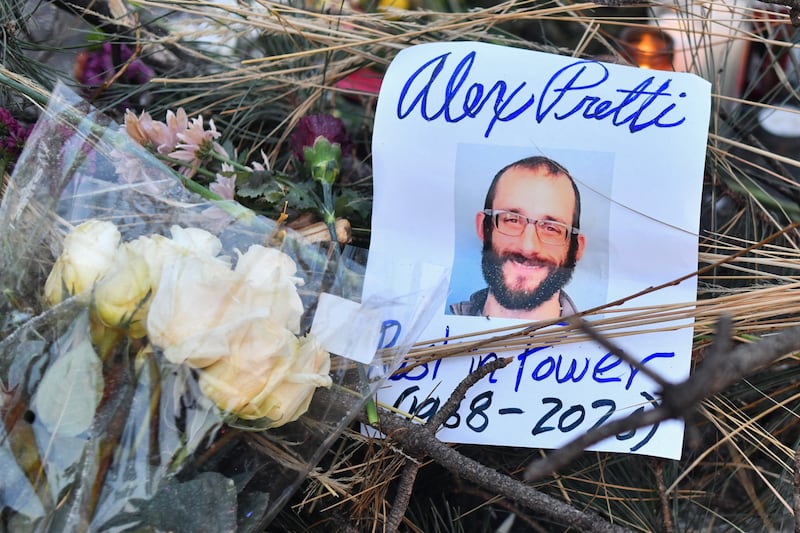
The recent killing of Alex Pretti in Minnesota illustrates this with painful clarity. Pretti, an intensive care nurse, was legally carrying a firearm when federal agents confronted him. Videos reviewed by journalists show him being forced to the ground and disarmed before he was shot at ten times and killed. DHS officials nevertheless emphasized that he had been “armed” in spinning narratives to excuse his death.

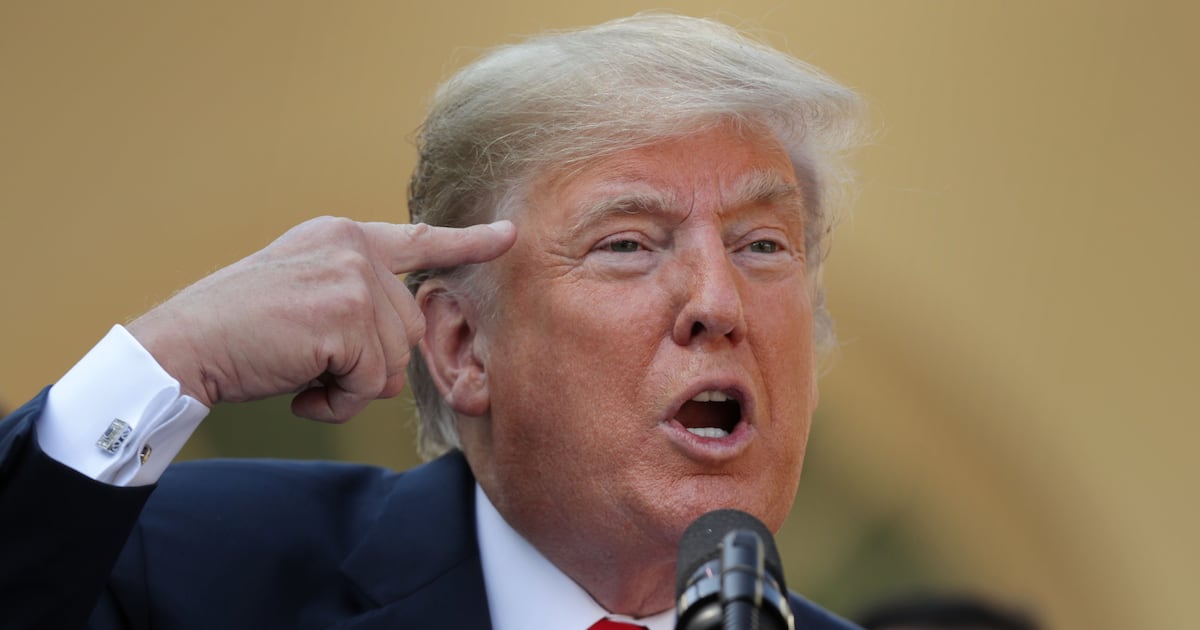
Commenting on Pretti’s killing, President Trump attempted to explain it away by remarking, “you can’t have guns.” (Quite a pivot from the man who suggested in 2016 that Second Amendment supporters shoot Hillary Clinton.) In fact, the administration’s effort to paint Pretti as guilty merely because he had a gun has been so loudly hypocritical and unconstitutional that even the far-right NRA has pushed back on the White House’s narrative.
Pretti followed the law and was carrying legally. It did not protect him.
His death is not an anomaly. It reflects a pattern in which the mere existence of a civilian firearm becomes both the trigger for escalation and the justification for what follows. This seems particularly true as information about ICE’s lack of vetting and training comes to light. Unqualified, scared, federal agents with backgrounds of violence are clearly over-emboldened and overreactive in this moment.
But even beyond protests and ICE raids, there is a deeper contradiction in the current turn toward liberal gun ownership. The empirical case has not changed simply because the political context has. For decades, progressives have pointed to the same grim body of evidence: more guns in circulation lead to more accidental shootings, more fatal domestic violence episodes, more teen suicides and more children injured or killed by weapons that were never meant for them. These are not ideological claims. They are findings repeated across public health research, hospital records, and law enforcement databases over and over again. A gun purchased for “just in case” scenarios does not remain sealed in a political box or linger as a symbolic protest. It entrenches lethal force into everyday life.
A society already saturated with weapons—the U.S. has more guns than people —does not become safer when one more group decides that it, too, must arm itself. It becomes more fragile, more reactive, and more dangerous to live in, particularly for the people least insulated from harm.
Corny as it may sound, the solution is not to bear arms, but to link arms in community and resistance. The solution is collective action: showing up for one another, building durable community networks, funding legal defense and rapid-response organizations, documenting abuse, and voting. And organizing. And suing. And voting. And organizing. And suing. And voting. Our democracy is not gone yet.

Guns offer the feeling of agency while quietly increasing the odds of catastrophe. Community offers something harder and slower, but enduring: protection that does not depend on who fires first. If progressives abandon what they have long known about firearms out of short-term fear, they will be multiplying the danger that follows in the long-run.