All products are selected independently by The Looker’s editors. If you click or purchase something from our post, we may earn a small commission.
Permanent makeup is one beauty treatment that often meets skepticism... for good reason. The horror stories and frightening before-and-afters are enough to make anyone think twice before having pigment tattooed onto their face. I, on the other hand, tend to be a little more open-minded—albeit with a healthy dose of research and a side of skepticism.
I first discovered lip blushing in my early 30s, right around the time I noticed that the natural, just-bitten color my lips once had was rapidly disappearing. Without lipstick, my lips looked increasingly pale (almost grey) and washed out against the rest of my face. Without lipstick on, I felt like I looked like a corpse.
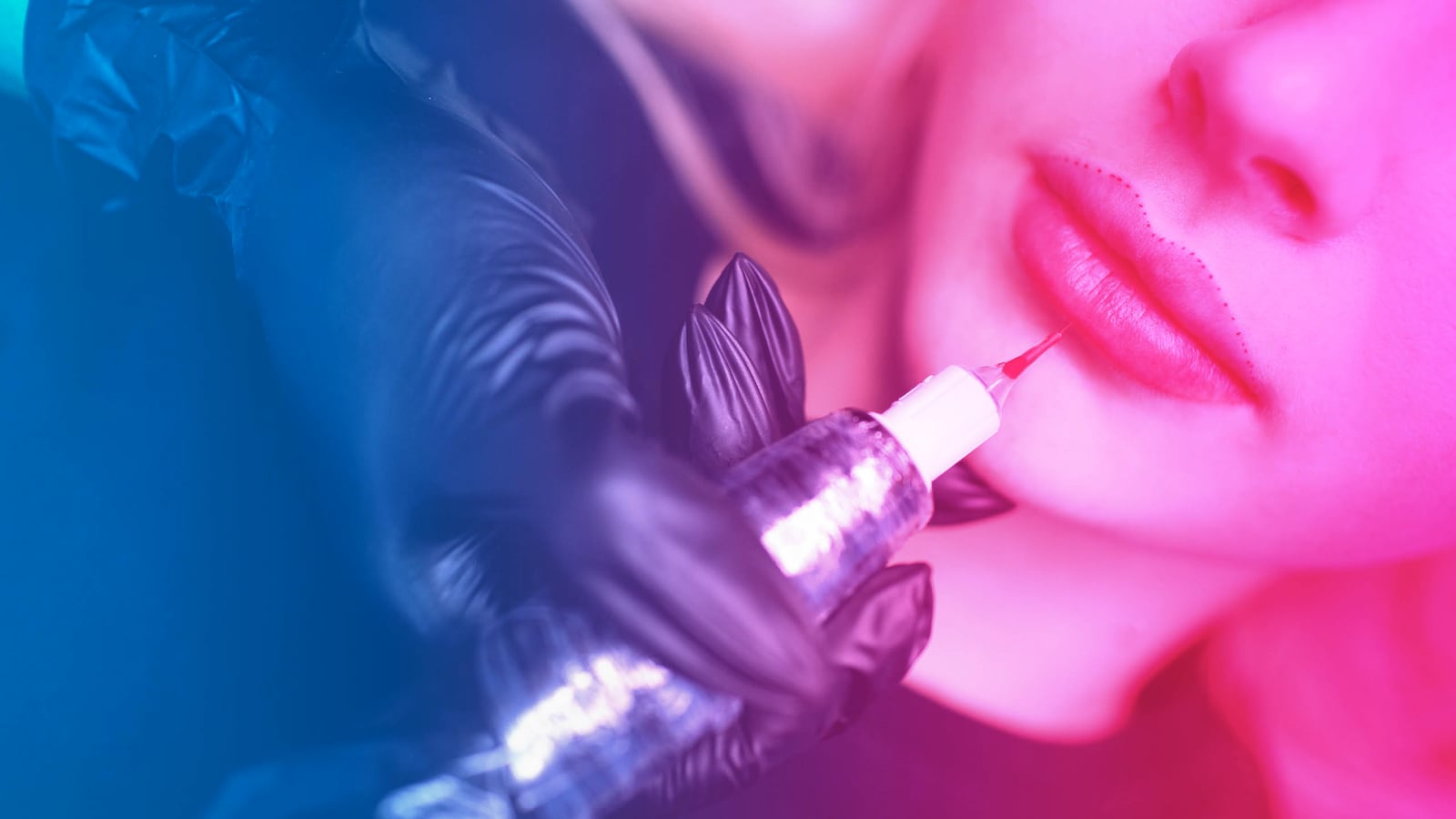
That’s when I discovered lip blushing, a type of cosmetic tattoo similar to microblading for eyebrows, designed to enhance the lips’ natural color and definition with sheer pigment. It sounded like the closest thing I could get to waking up wearing my favorite “your lips but better” lipstick without actually wearing lipstick.
So, in 2021, I decided to try it, and I loved it. For the first time in years, I didn’t immediately feel compelled to reach for lipstick before leaving the house. Fast-forward to 2026, and the pigment had gradually faded enough that I was back to reaching for lipstick (this is normal—lip blushing typically lasts anywhere from two to five years).
I’ll admit that my first lip blushing experience was a somewhat risky move. I volunteered as a model at an academy during a training seminar. I lucked out, and the results turned out great, but this is absolutely not the route I’d recommend to anyone else. Your face is not the place to hunt for a bargain.
Now that I’m in my mid-30s and decidedly far more risk-averse than five years ago, I decided to do things the right way. I went to STRIIIKE, a luxe Beverly Hills beauty studio specializing in brows, lashes, and natural-looking cosmetic tattooing treatments like lip blushing and microblading.
What Is Lip Blushing?
“Lip blushing is a semi-permanent cosmetic tattooing treatment that deposits soft, sheer pigment into the lips to enhance their natural color, shape, and definition,” says William Lemon III, a semi-permanent makeup artist at STRIIIKE.
If the phrase “lip tattoo” immediately conjures images of harsh liner, opaque color, or the permanent makeup of decades past, that’s not what we’re talking about here. Before we began, Lemon emphasized that modern lip blushing is meant to be much softer. Rather than treating the lips like a coloring book and filling them in with “Sharpie-like” pigment, he described his approach as more akin to watercolor.
“Unlike traditional lip tattooing, which often focused on creating a more opaque, lipstick-like result, modern lip blushing is designed to look subtle and natural,” he explained. “The goal is to create the appearance of healthy, youthful-looking lips rather than obvious cosmetic tattooing.”
As with virtually every beauty treatment I opt into, subtlety and a natural-leaning result are what I’m after. Watercolor, after all, sounded considerably less daunting than Sharpie.

Who Is a Candidate for Lip Blushing?
While restoring some of the color I’d lost over time was my main motivation, lip blushing isn’t exclusively an age-related treatment. People seek it out for a variety of cosmetic reasons, whether their lips are naturally pale, have uneven pigmentation due to UV exposure and skin thinning, or they simply want more definition without committing to lipstick every day.
“Lip blushing can benefit a wide range of clients,” he said. “It is ideal for anyone looking to enhance their natural lip color, improve definition, correct minor asymmetries, or create the appearance of fuller-looking lips without filler.”
Now, lip blushing doesn’t actually add volume as injectable fillers do. A cosmetic tattoo machine uses very fine needles to deposit pigment superficially as the artist works across the lips. By adding color and defining the lip border, however, the treatment can make the lips look more defined and, in some cases, subtly fuller.
For me, that very distinction was the appeal. I didn’t necessarily want bigger lips; I wanted to look in the mirror without lipstick and not immediately think, “Why do I look vaguely ill?” Plus, Lemon said we could add a bit more definition to my cupid’s bow, which had become less pronounced with age.
What to Expect During a Lip Blushing Appointment
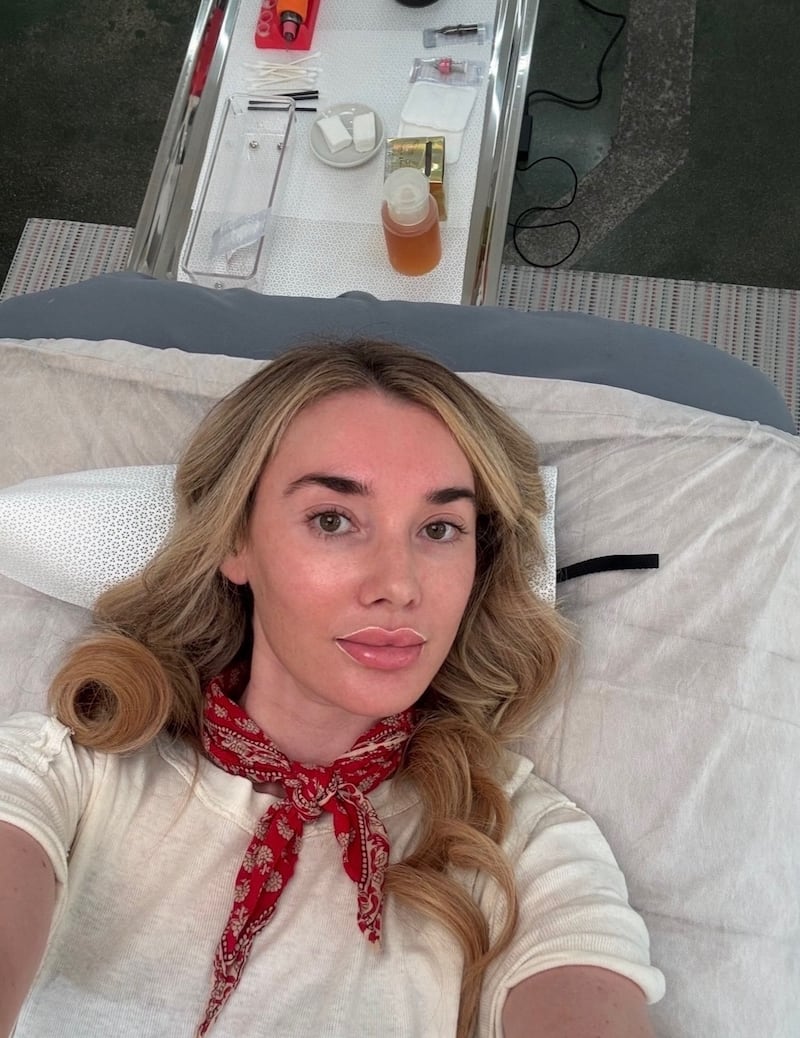
One thing I appreciated about Lemon’s approach was that he wasn’t trying to get me to my maximum color payoff in one sitting. He recommends that clients plan on two sessions, starting conservatively and allowing the pigment to heal and settle before deciding how much more color (if any) to add at the follow-up.
While I definitely wasn’t nervous going into round two, I was fully aligned with the two-session plan. I’d rather decide in a few weeks that I want more pigment than find myself in the STRIIIKE parking lot Googling “how to remove lip blush immediately.”
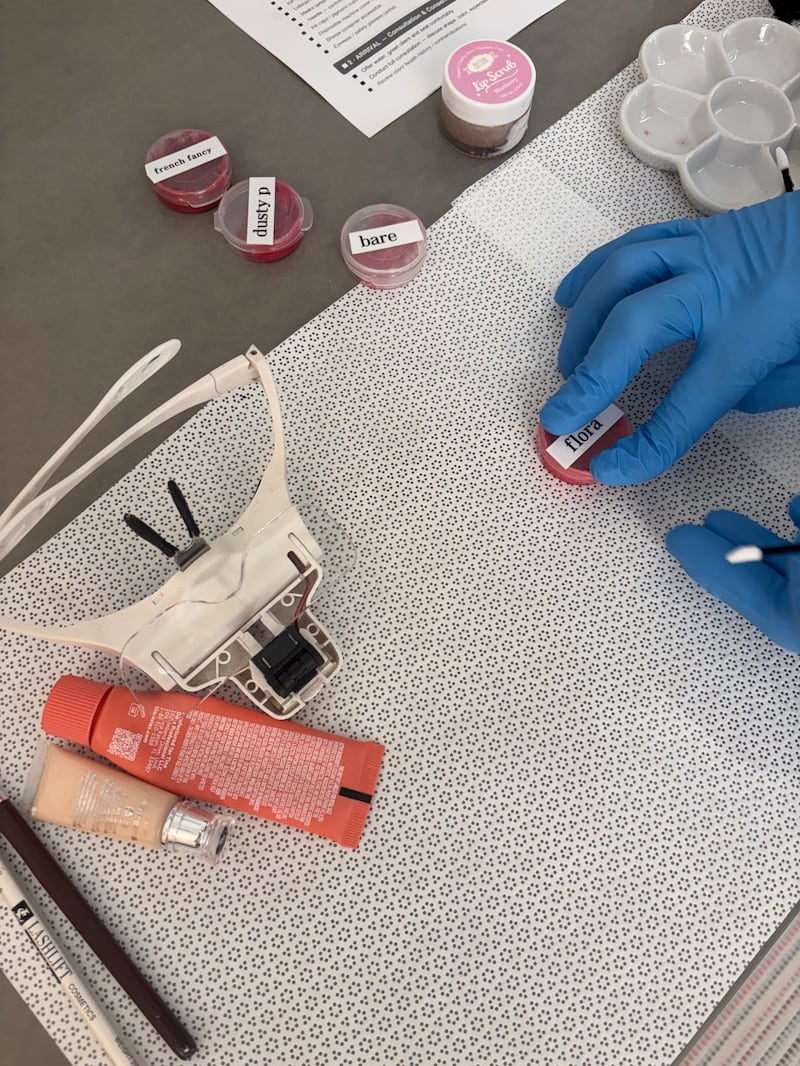
We started by discussing color. I showed Lemon my inspiration, a natural peachy-pink, essentially the color I wish my lips woke up as, and he walked me through different pigments until we landed on a shade that would give me more color without looking like I’d permanently applied lipstick.
Once we settled on the shade, he cleansed and prepped the area before applying topical numbing cream, which sat for about 20 minutes. Then came the actual tattooing.
Despite the intimidating description, the appointment itself was surprisingly comfortable and fairly brief. From start to finish, including the consultation, numbing, tattooing, and going over aftercare, I was out in less than 90 minutes.
Is Lip Blushing Painful?
According to Lemon, many clients aren’t necessarily apprehensive about how lip blushing will turn out; they’re worried about the pain. Fair. After all, repeatedly tattooing one of the most sensitive areas of your face isn’t exactly a pleasant beauty treatment.
I’d rate the pain about a three or four out of 10. Certain areas (particularly around the lip border) felt a little more “spicy” than others, but overall, I found it very manageable thanks to the topical numbing cream and Lemon’s gentle hand.
If you’ve ever gotten lip filler, this is way, way less painful. During a lip blushing service, the needle works much more superficially to deposit pigment. I could certainly feel what Lemon was doing, but I never white-knuckled the chair or reconsidered. For something technically classified as a tattoo, it was far less dramatic than it sounds.
What Does Lip Blushing Look Like Immediately After?
I’m not going to lie: Immediately after my appointment, my lips looked comedically plump… almost like botched lip filler. The swelling went down almost entirely after just 24 hours, but I definitely would plan to avoid going out, smooching, or being photographed for the first 48 hours post-appointment.
Some people experience minor bruising as well, but I somehow managed to avoid it during both of my sessions.
The pigment is also at its darkest and most saturated right after the service. If you’re envisioning the subtle, just-bitten wash of color you booked the appointment for, you’re going to have to be patient—it will get there, but you’re looking at a good four to six weeks to get the final result.
The Lip Blushing Healing Process
One part I understated is that lip blushing is still a tattoo, and the healing process is a bit of a commitment. While the peeling and dryness are mostly confined to the first week or so, it takes roughly four to six weeks for your lips to fully heal and reveal their final color. This is not an instant-gratification beauty treatment, and it does require patience and commitment to a solid after-care routine to ensure optimal results.
Because your freshly tattooed lips are essentially an open wound, keeping the area clean is paramount. I was instructed to avoid biting directly into food for the first several days (forks become your best friend) and to gently clean my lips after eating and drinking. I also developed a borderline codependent relationship with Aquaphor, which I reapplied every few hours to keep my lips moisturized while they healed.
Within a few days, the shedding process started. Mine was pretty mild—mostly some peeling, dryness, and itching—but this is where self-control is mandatory. As satisfying as peeling off a rogue piece of skin may sound, picking at your lips can pull out pigment along with it, so I resisted the urge and continued slathering on Aquaphor instead.
Then came the part that nearly sent me into a spiral. Around day three or four, it looked like the color had not only just faded a bit, but completely disappeared. This part of the healing journey is apparently so common that it has a name: the “ghost phase.”
Fortunately, Lemon had warned me ahead of time that my lips might temporarily look almost exactly as they did before the treatment, with the pigment gradually resurfacing over the following weeks.
Did knowing this stop me from inspecting my lips approximately 400 times a day and wondering whether I’d just spent a small fortune for absolutely nothing? Of course not.
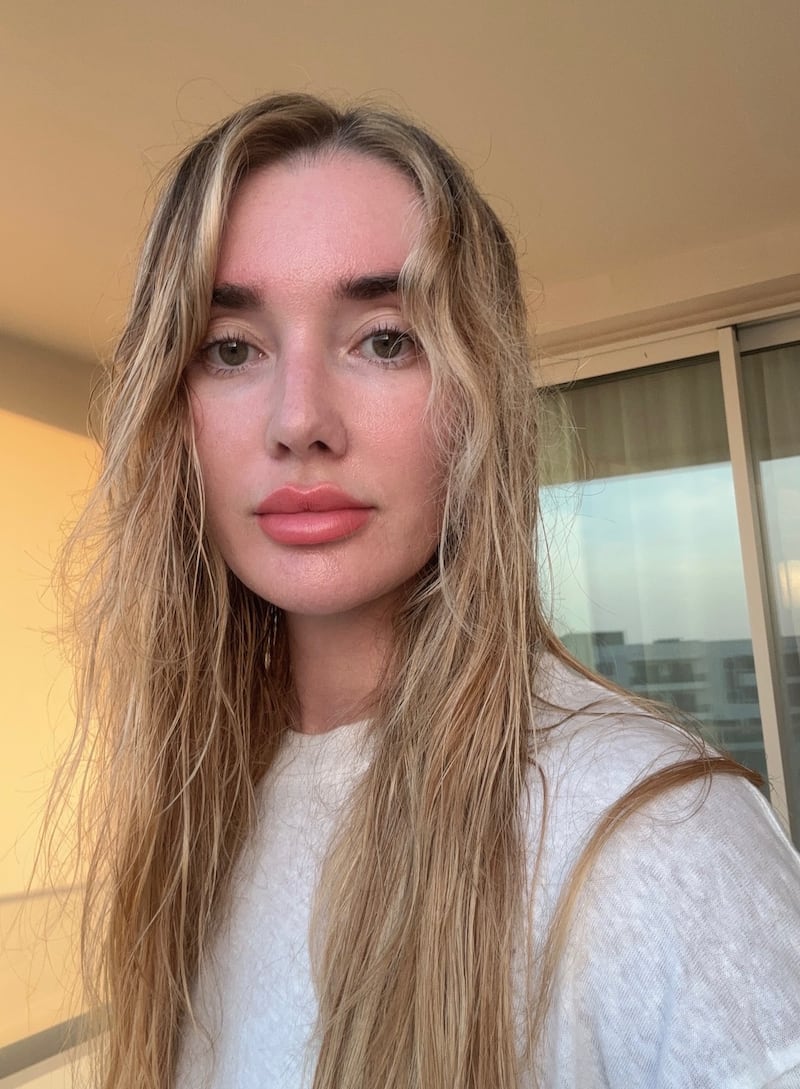
The Final Result
Thankfully, somewhere around weeks three through six, the magic started happening, and I could finally confirm that I had not, in fact, wasted a ton of money. This period is sometimes referred to as the “blooming stage,” when the pigment gradually reappears and settles into its true healed shade.
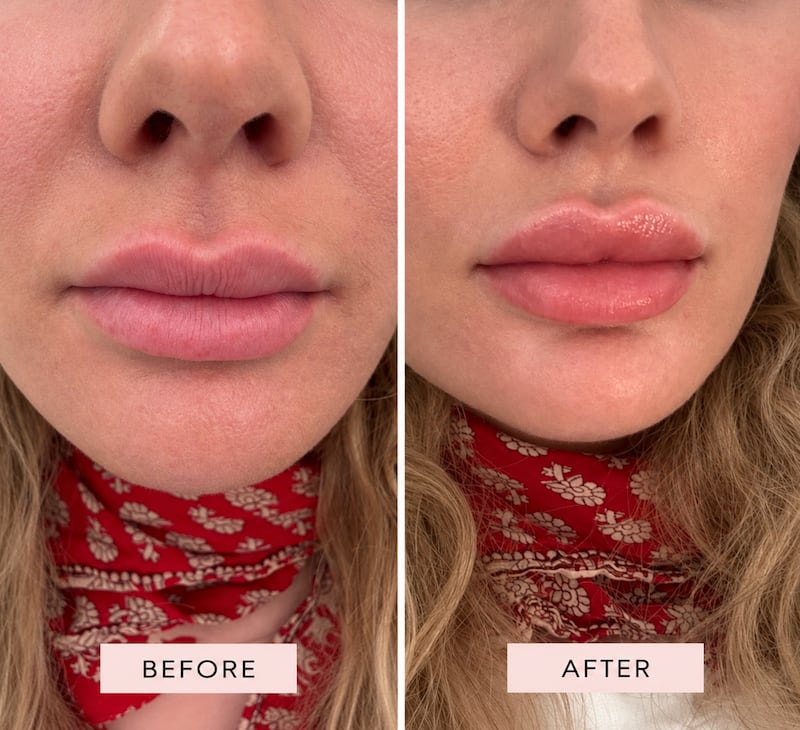
Around week four, the color coming through looked closer to the opaque pigment I saw immediately after my appointment, except my lips had this sheer, watercolor-like flush that looked almost like I’d just eaten a cherry popsicle… or had naturally been blessed with the rosy lips I’d spent years faking with lipstick. It was noticeable enough that I could see the difference, but subtle enough that no one would look at me and think, “She did something to her lips.”
By the six-week mark, I loved the result, but I also understood why a touch-up is often part of the process. The peachy-pink shade Lemon and I originally chose sounded perfect in theory, but after living with the healed color, I realized I wanted a bit more berry in the mix. During my second session, we went slightly deeper and rosier to give me more of that youthful, naturally flushed effect I’d been chasing from the beginning. Fast forward to two months later, and I couldn’t be happier with the result.
How Much Does Lip Blushing Cost?
On average, one lip blushing session will cost anywhere from $500 to $3,000. Considering that the pigment can last up to five years (though it often starts fading around the two- to three-year mark), I would say it’s a worthy investment if you’re concerned about a lack of pigment, want to wake up looking a bit less lifeless, or just want to add some subtle definition and structure to your pout without volume.
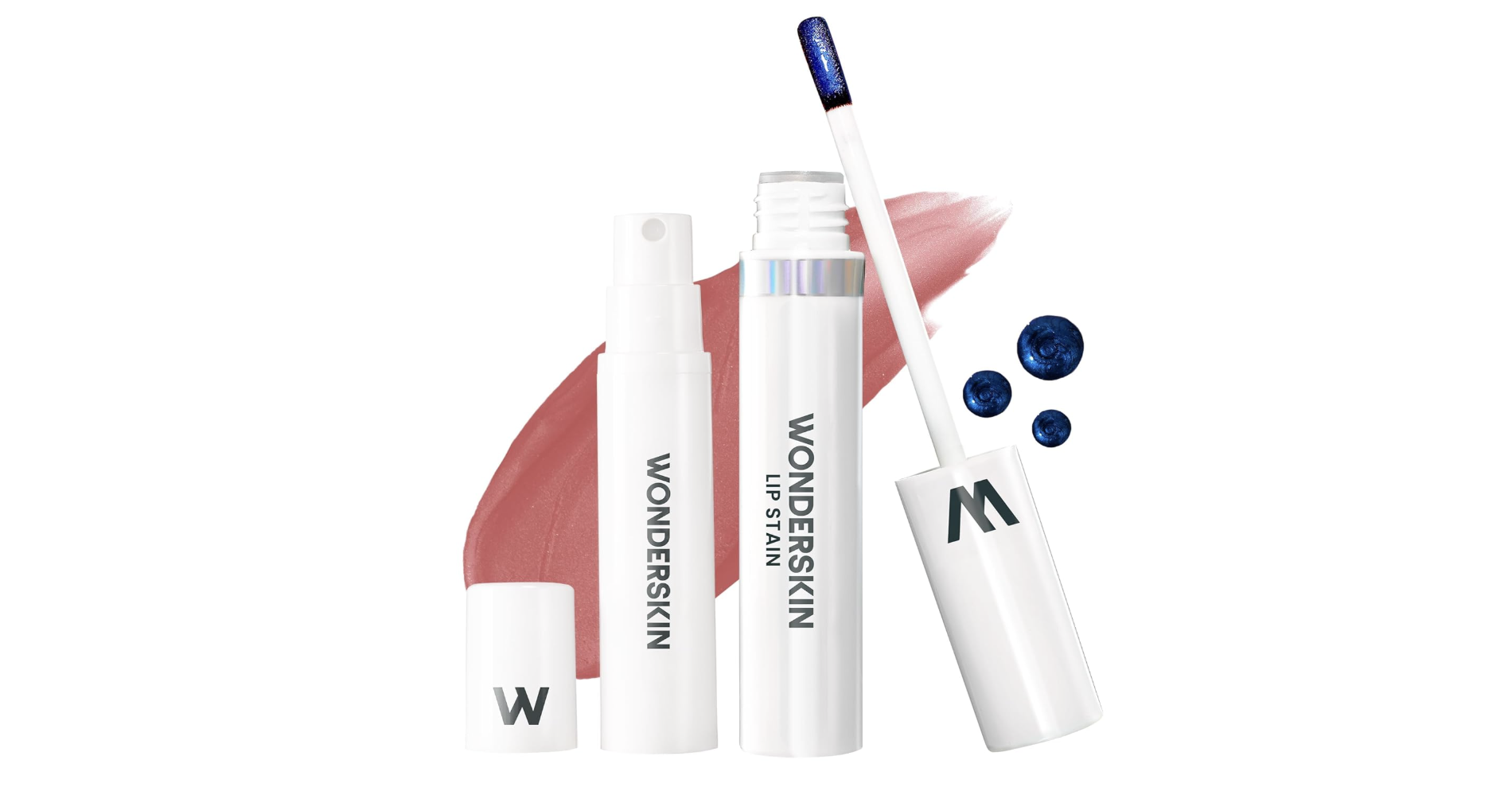
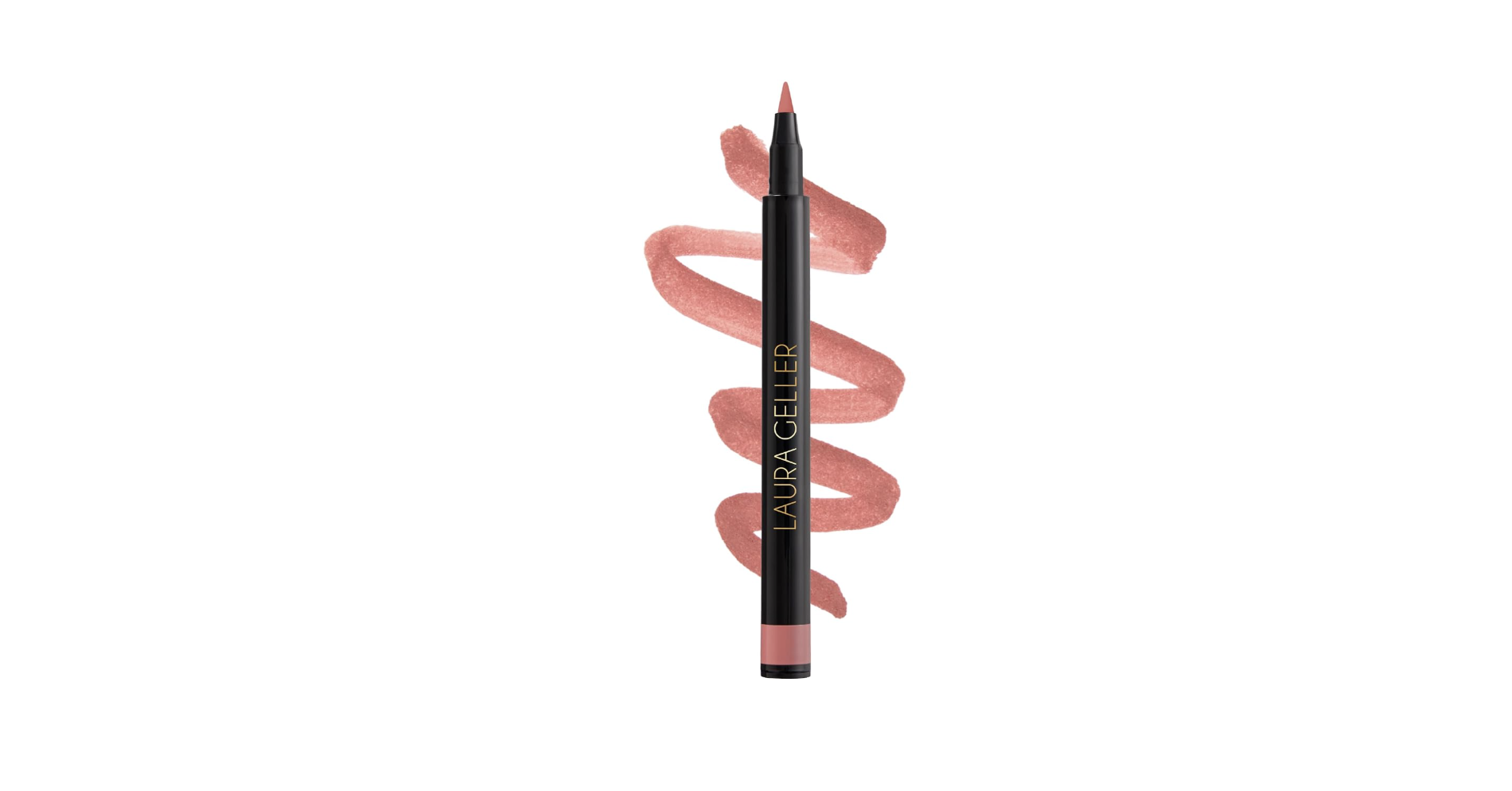
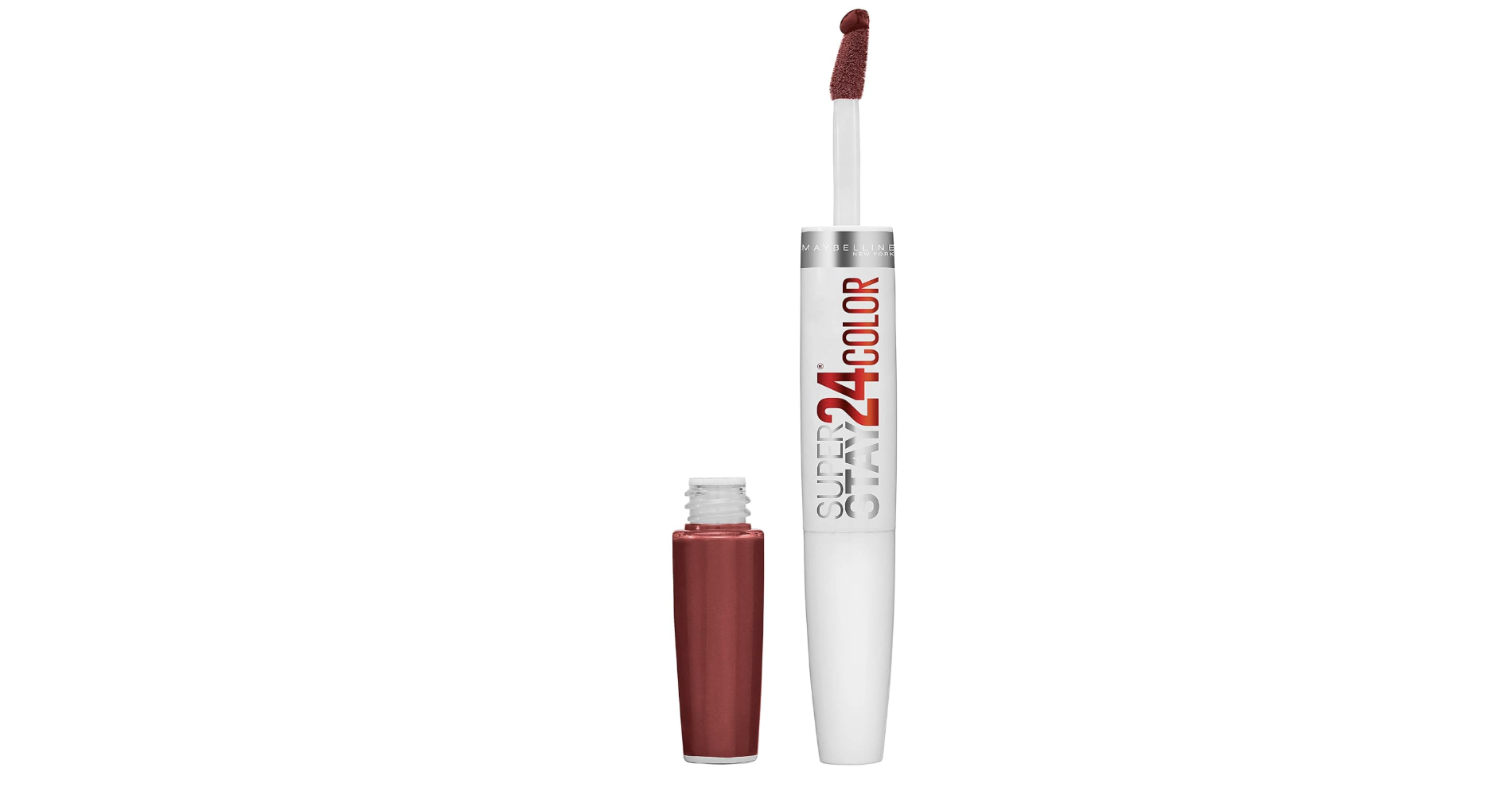
If you’re not ready to take the needle route just yet, consider trying these long-wearing lip stains instead.