Marco Rubio has delivered a pointed reminder that JD Vance cannot completely distance himself from President Donald Trump’s unpopular war with Iran.
“Be under no illusion here. The person in charge of all of these things is the president,” Rubio told Fox News.
But he immediately widened the circle of responsibility.
“Everyone’s played a role,” he added. “The vice president has played a role... [President Trump is] the decision maker and oftentimes the implementer, because there’s nothing like having the president call a foreign leader and say, ‘This is what we’re doing.’”
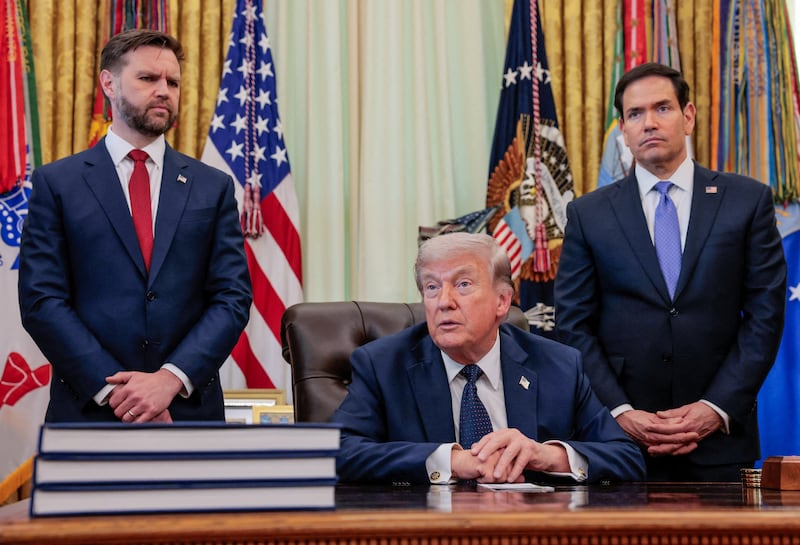
The comments are a striking jab at Vance, who has reportedly opposed the war privately while publicly defending Trump’s decision.
Trump has tasked Vance with overseeing negotiations to put a provisional peace arrangement with Iran into effect. But the diplomatic effort has stalled, with Washington and Tehran still deadlocked over the conditions for reopening the strategically vital Strait of Hormuz.
But Vance has reportedly been opposed to the deeply unpopular war from the beginning.

Vance, a four-year Marine Corps veteran, reportedly opposed military action against Iran before the conflict had even begun. According to The New York Times, he argued against the operation during meetings with Trump, voicing concerns about the consequences of launching the war.
The Atlantic separately reported that Vance raised objections to Trump’s war plans in the days leading up to the February airstrikes.
The New York Times White House correspondent Maggie Haberman later corroborated the account, saying Vance’s opposition had irritated the president and damaged their relationship.
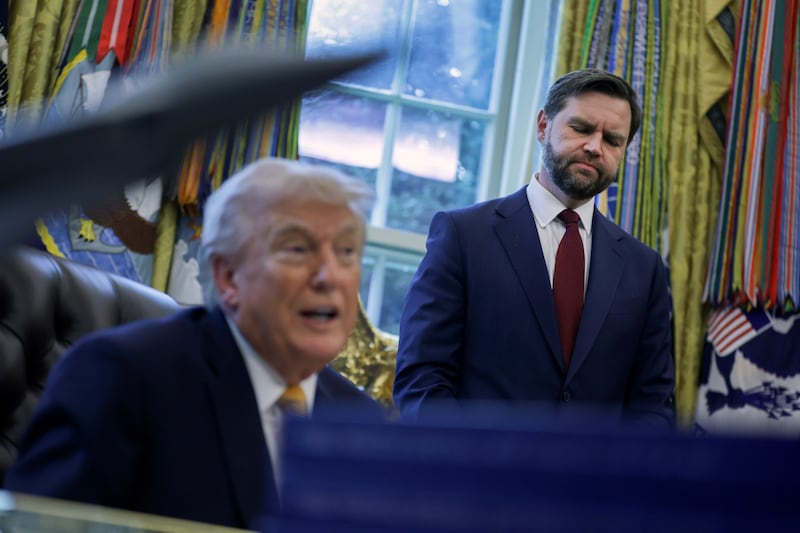
“Vance was the only one who really vocally took issue with this with Trump. And it irritated Trump, it cost Vance with Trump,” Haberman told NBC.
Despite those reported reservations, Vance has never publicly broken with Trump over the war. Instead, he has repeatedly defended the president’s decision in public, maintaining a united front even as the conflict has drawn mounting criticism.
But the war is becoming increasingly difficult for Republicans to defend. A CNN/SSRS poll found that seven in 10 Americans believe the conflict has hurt U.S. interests rather than helped them, while 76 percent say it has not been worth the loss of American lives or the financial cost to the government.

At least 18 U.S. service members have been killed in the conflict, while Brown University’s Iran War Energy Cost Tracker estimates the war has added more than $100 billion to American gasoline and diesel costs, with households paying more than $750 extra.
That could be a problem for Vance, who is the favorite to win the GOP nomination for the 2028 presidency.
Rubio is also seen as a potential 2028 contender. Neither he nor Vance has declared a bid, but the 55-year-old secretary of state and 41-year-old vice president have spent months emerging as possible successors to Trump, who has kept everyone guessing over which, if either, he intends to back.
Vance has played down speculation that he is competing with Rubio for the GOP nomination, calling the secretary of state his “best friend.”
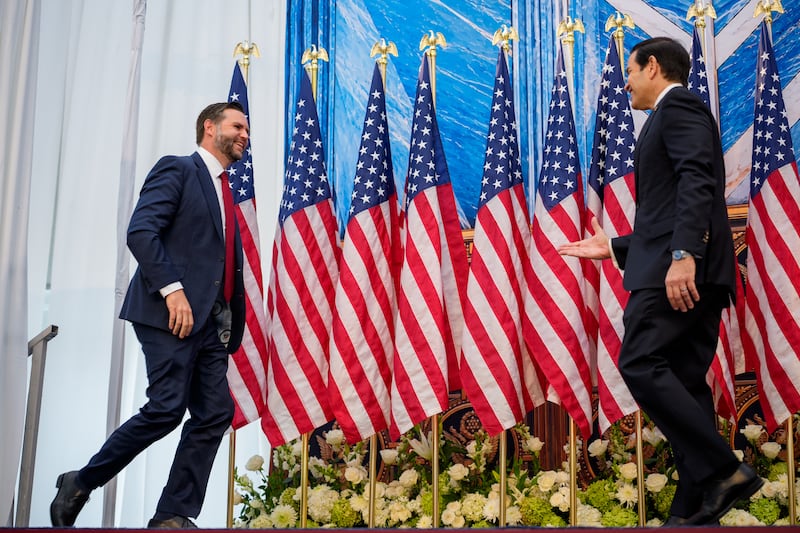
“First of all, no, there’s not going to be any tension,” Vance told the New York Post. “Marco is my best friend in the administration. He and I work a lot together and we really do, I think—a lot of the good work that we do as an administration is because we’re all able to work together.”
Rubio has also stated that he won’t run for president in 2028 if Vance decides to run.
Polling shows that Vance’s support has been shrinking in recent months.
University of New Hampshire polling shows Vance’s lead over Rubio has collapsed from 46 points in February to just 10 points in July among GOP primary voters.