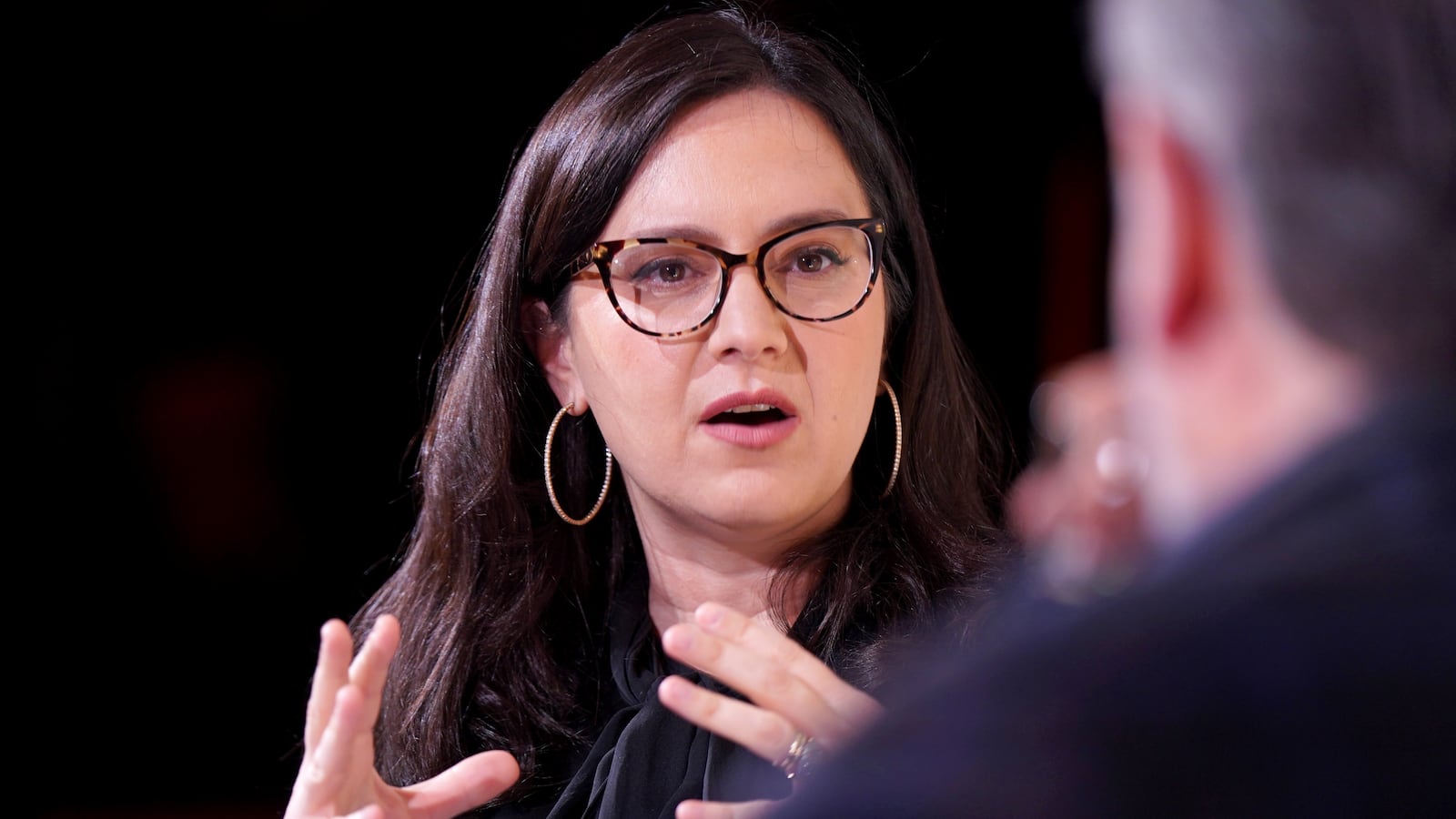
CBS News Editor-in-Chief Bari Weiss has reportedly been self-isolating in her executive suite amid ongoing turmoil at the network brought about by her attempts to radically transform the broadcaster and its flagship program, 60 Minutes.
Weiss, who was appointed to her role by Paramount Skydance CEO and billionaire nepo baby David Ellison after the company acquired her anti-woke news outlet The Free Press in October, has reportedly “bunkered down” in her suite on the sixth floor of CBS’ Manhattan headquarters over the past two weeks.
According to a report from Status News, Weiss has isolated herself, avoiding almost all of her employees save for her closest allies, particularly Managing Editor Charles Forelle and Deputy Editor Adam Rubenstein.
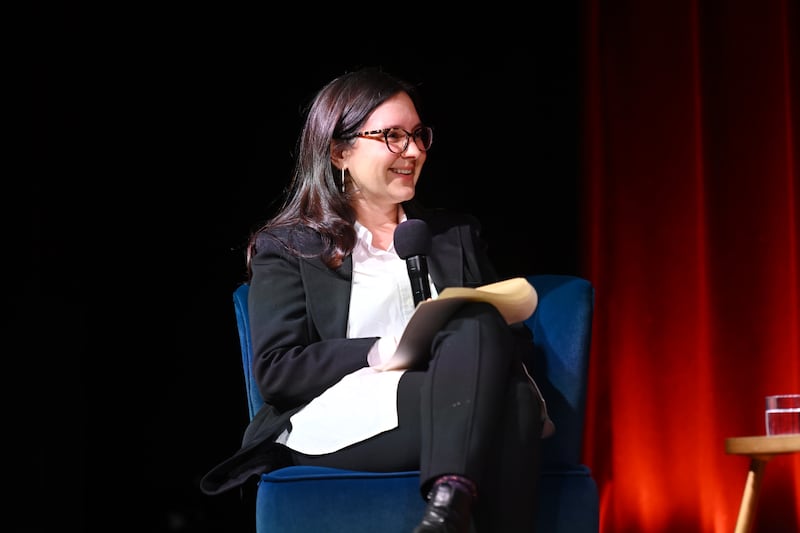
Status’ Oliver Darcy reported on Tuesday that the suite is physically locked to visitors, requiring them to use a special key card to gain access; Darcy notes that the arrangement is “highly unusual” for a news chief.
News of Weiss’ self-isolation comes after weeks of chaos at the network following the appointment of screenwriter Nick Bilton as executive producer of 60 Minutes in May, a clash between Bilton and 60 Minutes veteran Scott Pelley, and Bilton’s subsequent decision to fire Pelley for insubordination.

Pelley, the fourth reporter to leave the flagship program since February, has not shied away from criticizing Bilton or Weiss, calling Weiss’s decision to fire seven of the show’s employees, including reporters Sharyn Alfonsi and Cecilia Vega, as well as executive producer Tanya Simon, “cold and callous and beneath the dignity of CBS News.”
Since leaving the network, Pelley has continued to publicly critique his former workplace, telling The New York Times in an interview that the network’s new leadership is introducing a pro-Trump bias into its coverage.

“We have respected journalists saying that there is a thumb on the scale for one political party over another,” Pelley said, adding that “there’s a subtle political bias that I’ve never seen at 60 Minutes before, or at CBS News before.”
“Right now, CBS News, in my view, is on fire.”
Weiss’ leadership has caused such chaos at the once-respected network that Ellison himself, who has otherwise seemed content to let Weiss manage things, has attempted to intervene in an effort to try to contain the crisis.
Veteran 60 Minutes correspondent Lesley Stahl told The New York Times on Tuesday that Ellison promised to respect the program’s editorial independence in a phone call on Sunday.
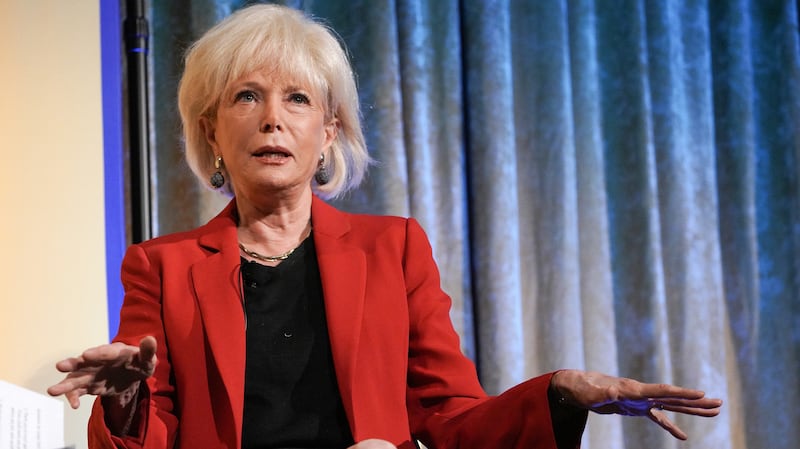
Stahl had considered leaving the program following the firing spree, but ultimately decided to stay.
“This was by far the worst experience I’ve been involved in, or even witnessed,” she told Puck’s William D. Cohan in an interview. “I mean, firing seven people, including the entire management team over here, plus reporters and producers…” she added, her voice trailing off.

In his interview with The New York Times, Pelley argued that, following the firings, the program had “lost its DNA.”
“Good people were silenced because they stood up for our audience. They stood for fairness against the forces of political bias; they stood for professionalism against chaos,” he added.
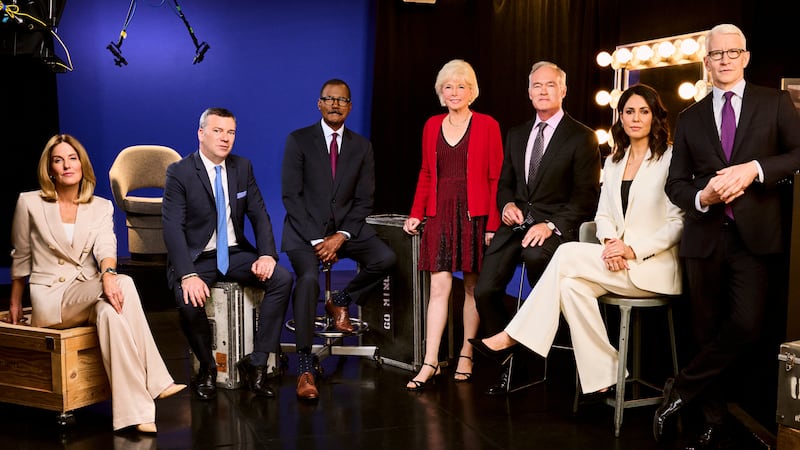
Longtime anchor Anderson Cooper departed the show earlier this year, opting not to renew his contract after 20 years. According to a report from Status News, Cooper “wasn’t comfortable with the direction the show was taking under Bari.”
Others who have left the network include CBS News justice correspondent Scott MacFarlane and veteran producer Mary Walsh. In her farewell memo, Walsh said of the network’s new leadership, “We’ve been told to aim our reporting at a particular part of the political spectrum. Honestly, I don’t know how to do that.”
Departing CBS Evening News producer Alicia Hastey expressed similar sentiments in her farewell letter, arguing that “there has been a sweeping new vision prioritizing a break from traditional broadcast norms to embrace what has been described as ‘heterodox’ journalism.”

“Stories may instead be evaluated not just on their journalistic merit but on whether they conform to a shifting set of ideological expectations,” she added, arguing that this created “a dynamic that pressures producers and reporters to self-censor or avoid challenging narratives that might trigger backlash or unfavorable headlines.”
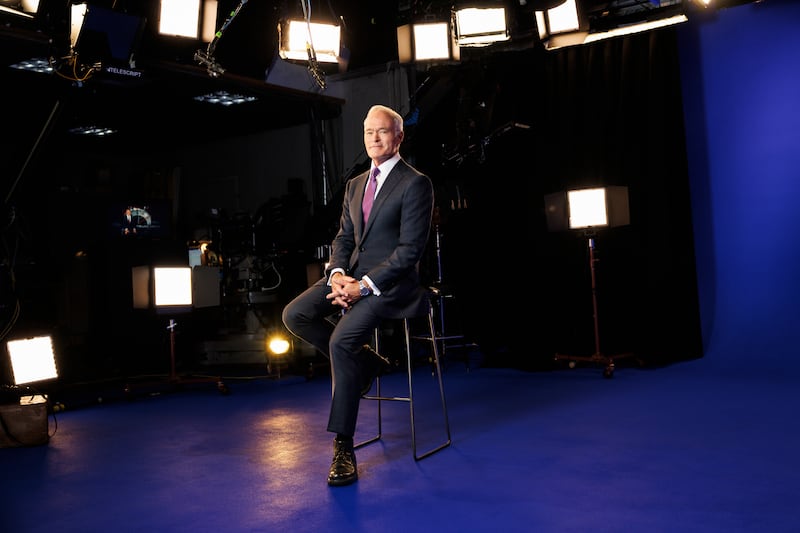
Referencing CBS legend Walter Cronkite’s belief that reporting must be “fair, accurate and unbiased,” Hastey wrote, “Cronkite’s idea is one of the best I’ve encountered. He understood that labels are inevitable, but standards are what matter. What defines journalism is not what critics call it, but whether it remains faithful to those principles.”
“I’ve always taken comfort in the belief that if we hold fast to those first ideals, trust follows. But those ideals cannot stand on their own. They require vigilance. They require courage.”