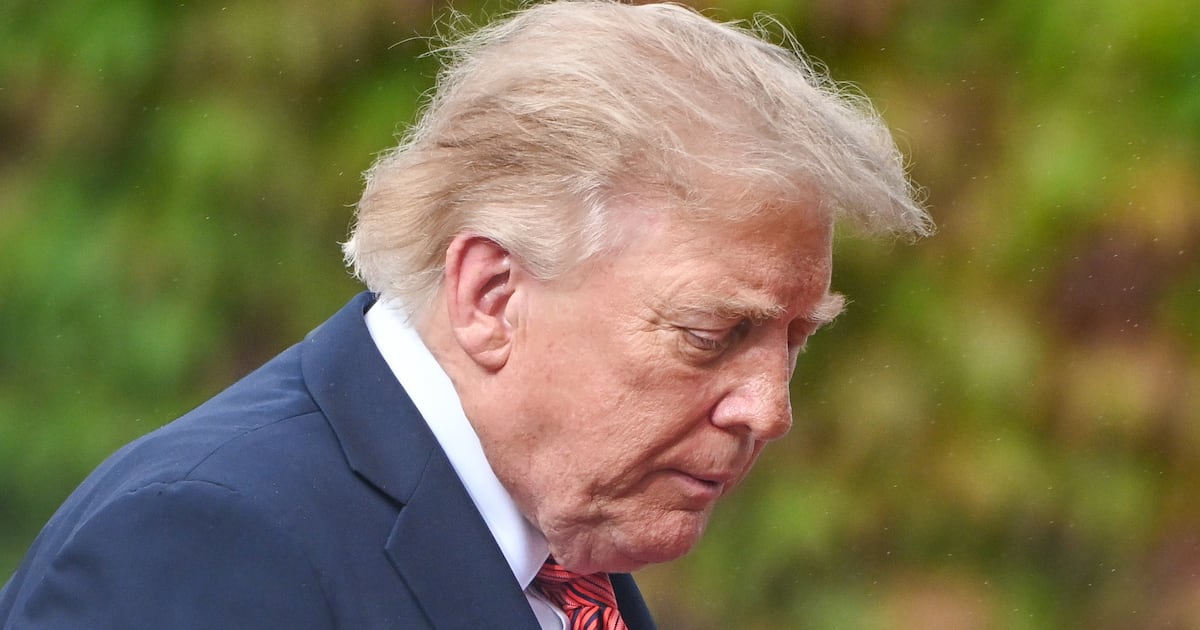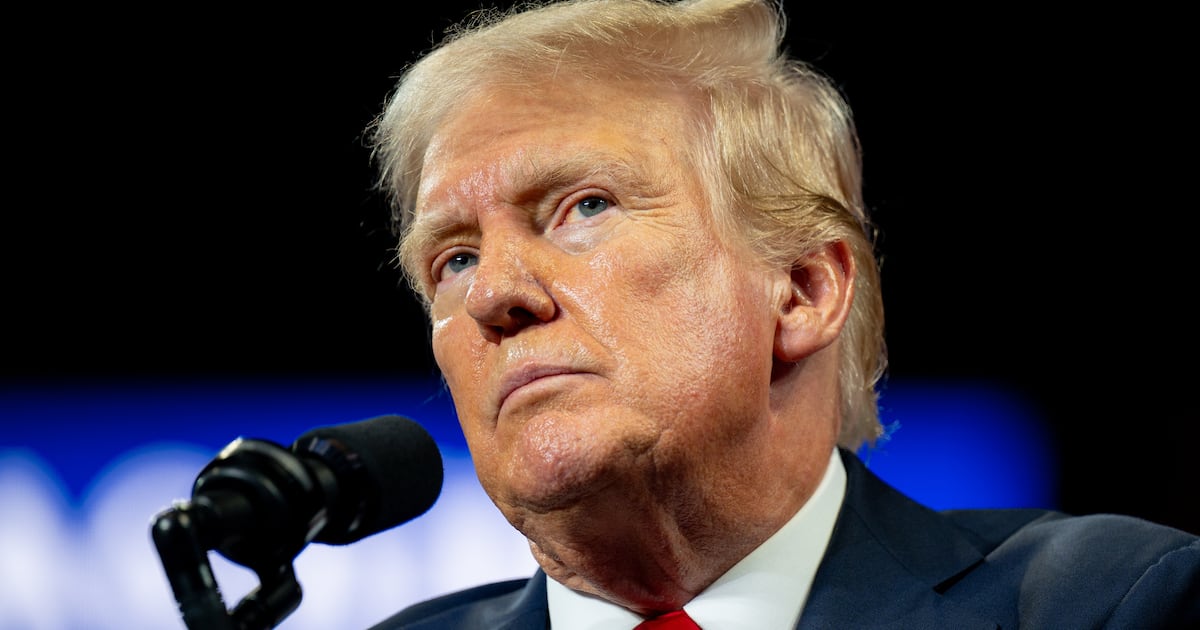

Russia is using MAGA-aligned social media users to spread fake stories ahead of a high-stakes German election in an effort to help the country’s far-right party gain power.
European security officials say the Kremlin has dramatically expanded its “Matryoshka” disinformation campaign, a Russian operation that floods social media with fake videos designed to mimic trusted news outlets. The efforts come ahead of the September 6 election in the eastern German state of Saxony-Anhalt.
Instead of targeting German voters directly, the campaign specifically aims at MAGA audiences because they are receptive to narratives portraying Europe as crime-ridden, politically unstable, and in decline. The hope is that popular U.S. accounts will share the fabricated stories, allowing them to gain credibility before circulating back into Germany.
The videos accuse mainstream German politicians of crimes including corruption, sexual assault, child abuse, embezzlement, and nepotism.
German officials have identified more than 100 videos linked to the campaign since June. Authorities believe the operation is centrally coordinated from Russia through a network of companies and is intended to polarize German politics while undermining Chancellor Friedrich Merz’s government ahead of the vote.
“The Russians are looking at more subtle but effective ways to poison news narratives,” one European intelligence official told the Financial Times.
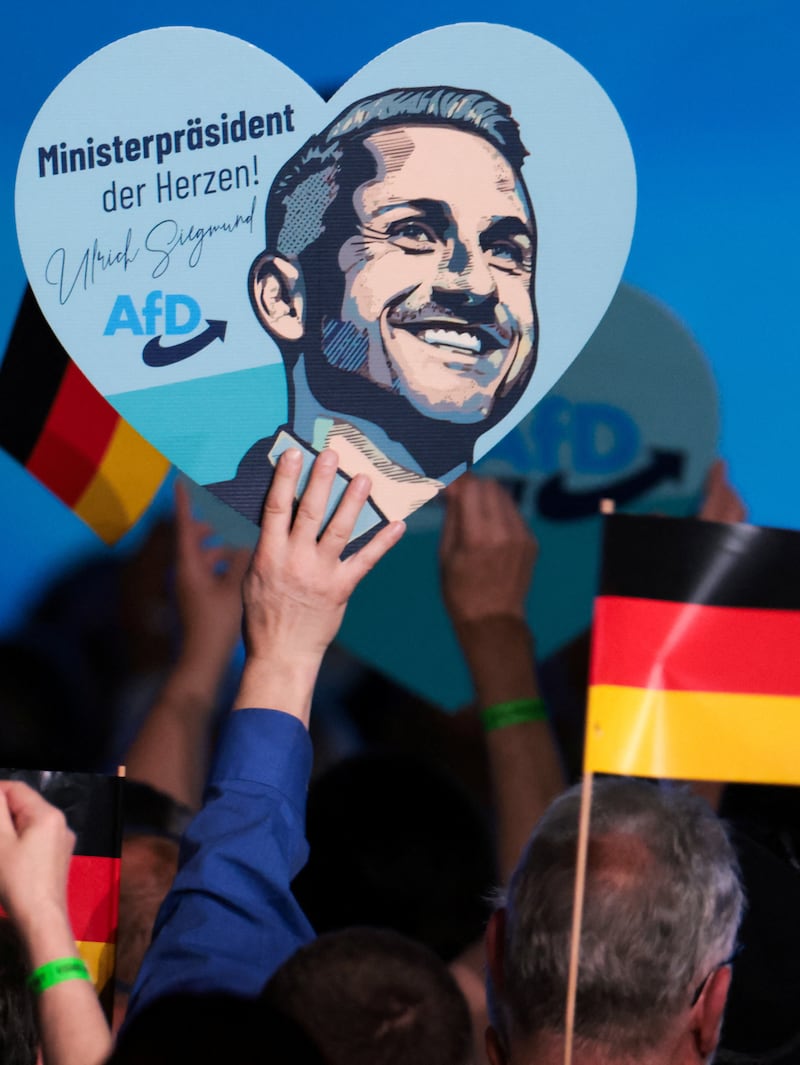
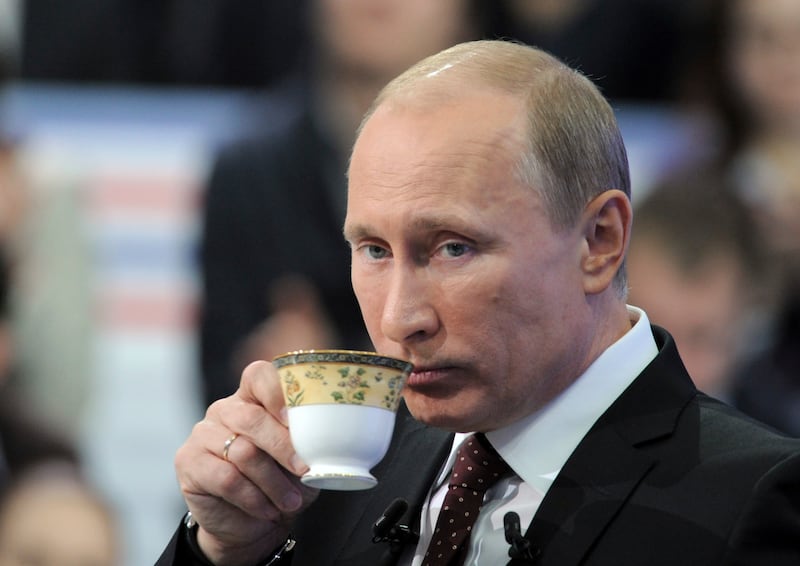
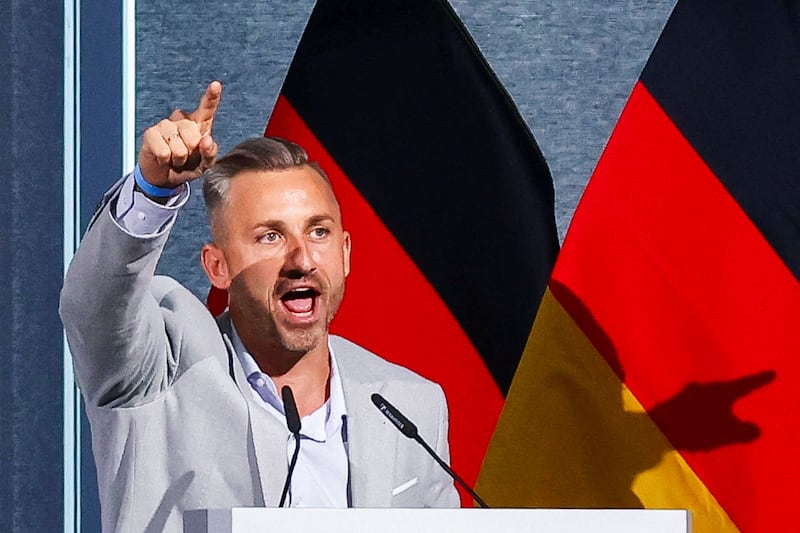
The effort comes as the Kremlin-backed AfD is polling above 40 percent in Saxony-Anhalt and is on track to lead a German state government for the first time. The party has pushed for closer relations with Moscow and an end to sanctions against Russia, making its success a potential political win for Vladimir Putin as Europe remains united behind Ukraine.
Germany’s Interior Ministry confirmed it is monitoring the campaign but said the fake videos have so far reached relatively few German-speaking users, with many already removed from social media. Still, officials warned the effort remains a serious attempt to influence the election.