The Trump administration has urged countries around the world to sign up to the president’s new initiative to cut critical humanitarian aid in favor of trade and investments.
Secretary of State Marco Rubio issued an official call to action to all U.S. embassies and consular posts on Wednesday. It specifically aims to distance America from its long-standing role as a major supplier of humanitarian assistance to developing countries.
Rubio has called for a “trade over aid” approach according to a cable reviewed by The Washington Post, and the U.S. has asked foreign nations to back the new initiative by no later than Monday, before it is unveiled at the United Nations at the end of the month.
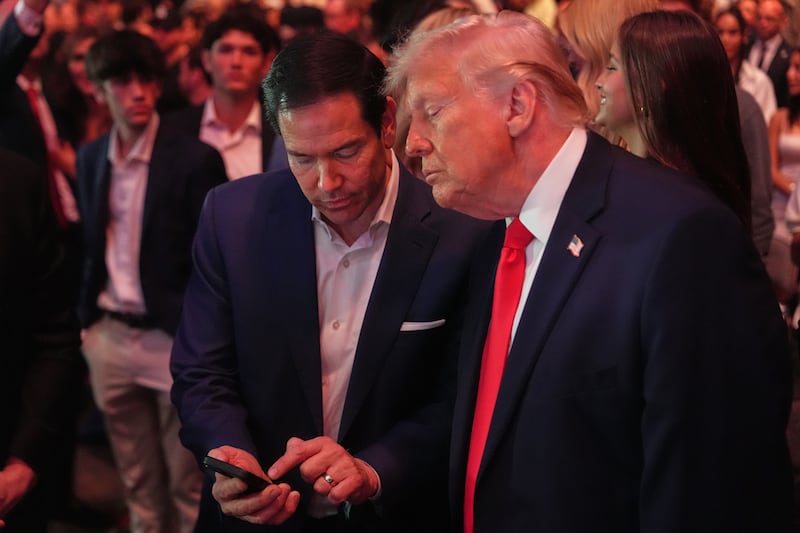
Rubio, 54, frames the move away from U.S. financial assistance as a way to “promote America First values and create business opportunities for U.S. companies.”
One State Department official, speaking anonymously, told the Post the move was aimed at “solidifying our stance on dropping aid completely and letting companies enrich themselves on newer markets.”

While the Trump administration is not the first to question reliance on global aid, the Post notes that the “trade over aid” policy could allow for-profit companies to exploit developing nations.
The deadline to urge countries to adopt the trade-over-aid approach could also possibly indicate the U.S. is expecting a mixed reception at the U.N.
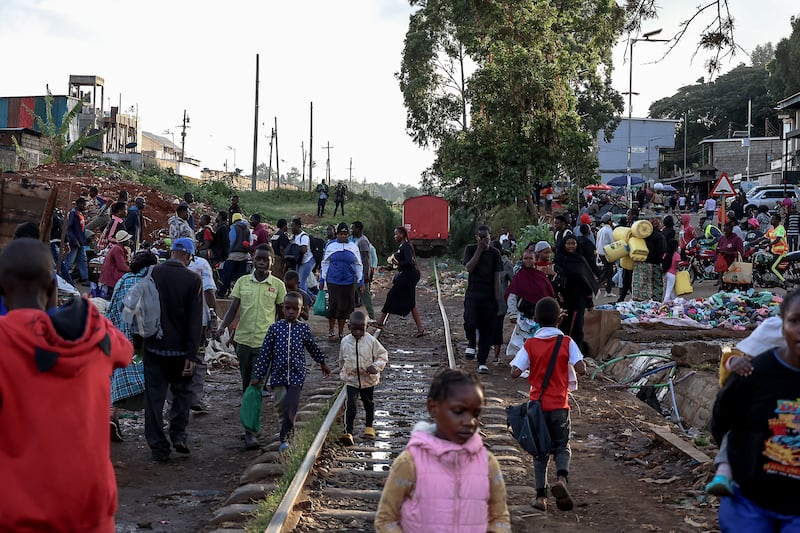
“I would not see this being well received because it comes across as undermining the U.N.,” Sam Vigersky, an international affairs fellow at the Council on Foreign Relations, told the Post.
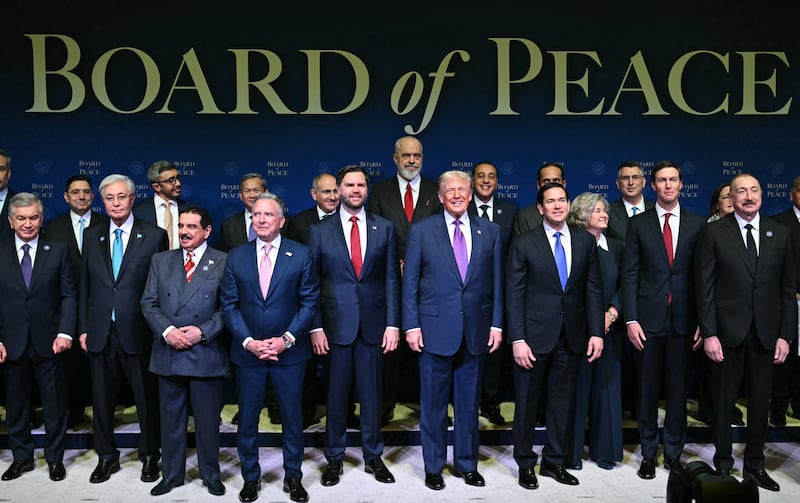
Trump has previously lashed out at the United Nations and set up his own rival “Board of Peace.”
Rubio previously rolled out the trade-over-aid line last year, when discussing the first 100 days of an “America First” State Department.
“In Africa, America needs a policy of trade, not aid, and over the past hundred days the State Department has replaced handouts with firm diplomatic engagement aimed at ending conflicts and expanding opportunities for American companies,” Rubio said in May 2025.

“In Africa, and around the world, our message is that while USAID may be closed, America is open for business,” he added.
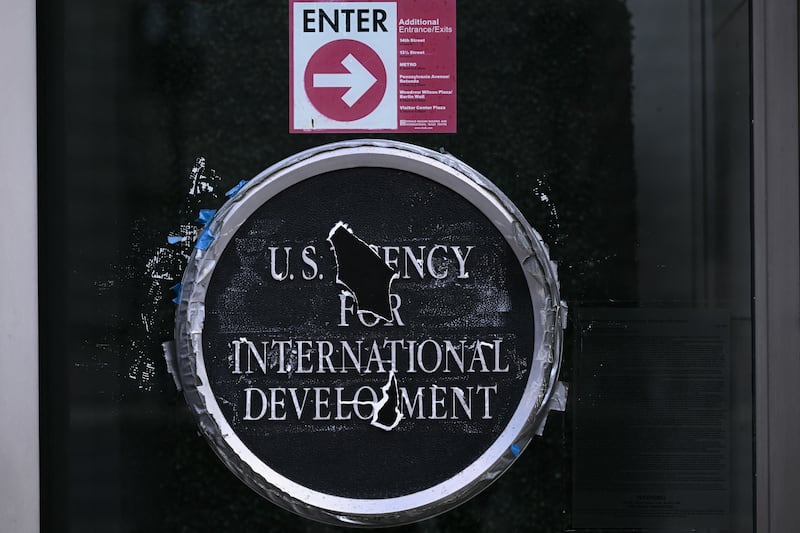
Trump’s government has been actively attempting to overhaul the traditional global aid system, including dismantling the U.S. Agency for International Development (USAID) last year.
In November, a report by Boston University epidemiologist Brooke Nichols estimated the axing of the USAID had already caused the deaths of 600,000, two-thirds of them children.
Officials warned the death toll from the lack of global aid will continue to rise, but may not be visible because people can take months or years to die from lack of treatments or vaccine-preventable illnesses.

A study in The Lancet in February predicted that if current trends of global humanitarian funding cuts continued, there could be an extra 9.4 million deaths by 2030, with HIV/AIDS, malaria, and hunger taking their toll.
The cuts to international aid were so brutal that Americans spent more last year on Halloween candy ($3.9 billion) than the Trump administration did on life-saving humanitarian aid ($3.4 billion), according to data from the National Retail Federation.

In 2022, at the peak of the global pandemic, the U.S. spent $17.3 billion on humanitarian aid.
Other countries in the United Nations have followed Trump’s lead when it comes to foreign assistance, including the U.K., which cut its aid budget by $1 billion in 2021. Germany, Saudi Arabia and Japan have also slashed their funding in what has been labelled a “great aid recession.”
The Daily Beast has contacted the Department of State for comment.