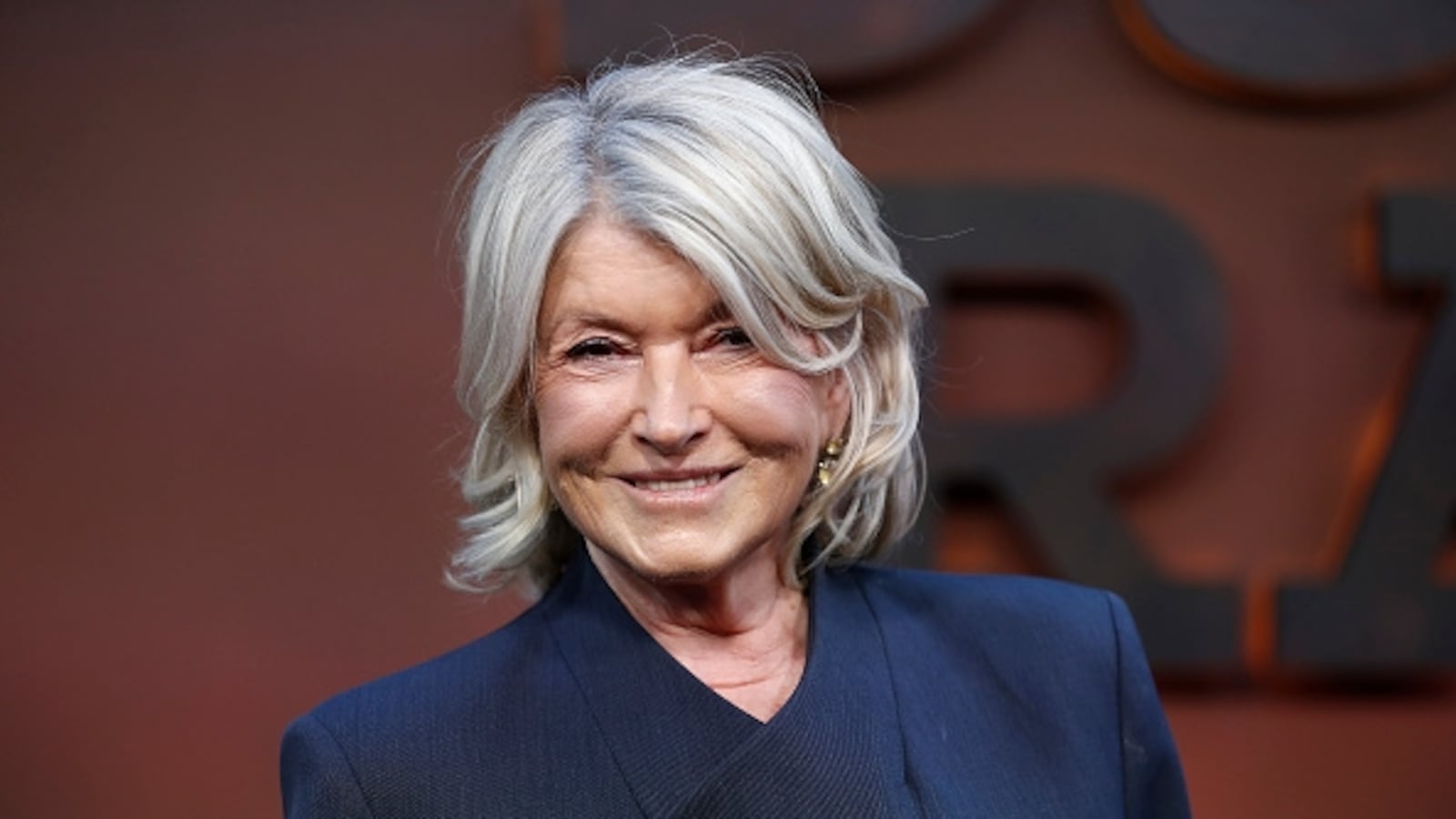
Homemaking mogul Martha Stewart said how she really felt about Meghan Markle’s entrance into the “cooking space.” “If you’re an actress, it’s hard to then transition to a princess and then from a princess into a homemaking guru on a television show,” the 85-year-old cookbook author said. “It doesn’t sort of follow.” Former Suits actor Meghan Markle, 45, and her husband, Prince Harry, 41, stepped down from their senior royal titles in 2020, after a falling out with a number of senior royals. They retained their titles as the Duke and Duchess of Sussex. Since moving to California in 2020, Markle has involved herself in various projects, including her lifestyle, cooking, and hosting brand As Ever and her Netflix series With Love, Meghan. “Authenticity, to me, is everything,” Stewart said in July 2025. “To be authentic and knowledgeable about your subject matter is extremely important.”
Read it at Page Six