Anna Wintour Draws Backlash Over Bezos Met Gala Takeover
“Everyone has a price,” one social media user wrote.

Fans are “so tired” of Anna Wintour, after Condé Nast’s Chief Content Officer lavished praise on the next Met Gala’s sponsors—MAGA-enthusiast Jeff Bezos’ and his wife Lauren Sánchez.
Social media users skewered Wintour, who recently stepped down as editor-in-chief of Vogue U.S., after she praised Sánchez as “a wonderful asset to the museum and to the event.”
“She’s a great lover of costume and obviously of fashion, so we’re thrilled she’s part of the night,” Wintour told CNN, as she also expressed her gratitude for the couples’ “incredible generosity.”
Wrote one commenter under CNN’s Instagram clip of the interview, “I don’t believe you Ana🤷🏾♀️🤣 Oh and his wife gives social climber vibes.” Others don’t buy that Wintour’s embrace of Sánchez and Bezos is for the sake of logistics. “Everyone has a price,” one user wrote.
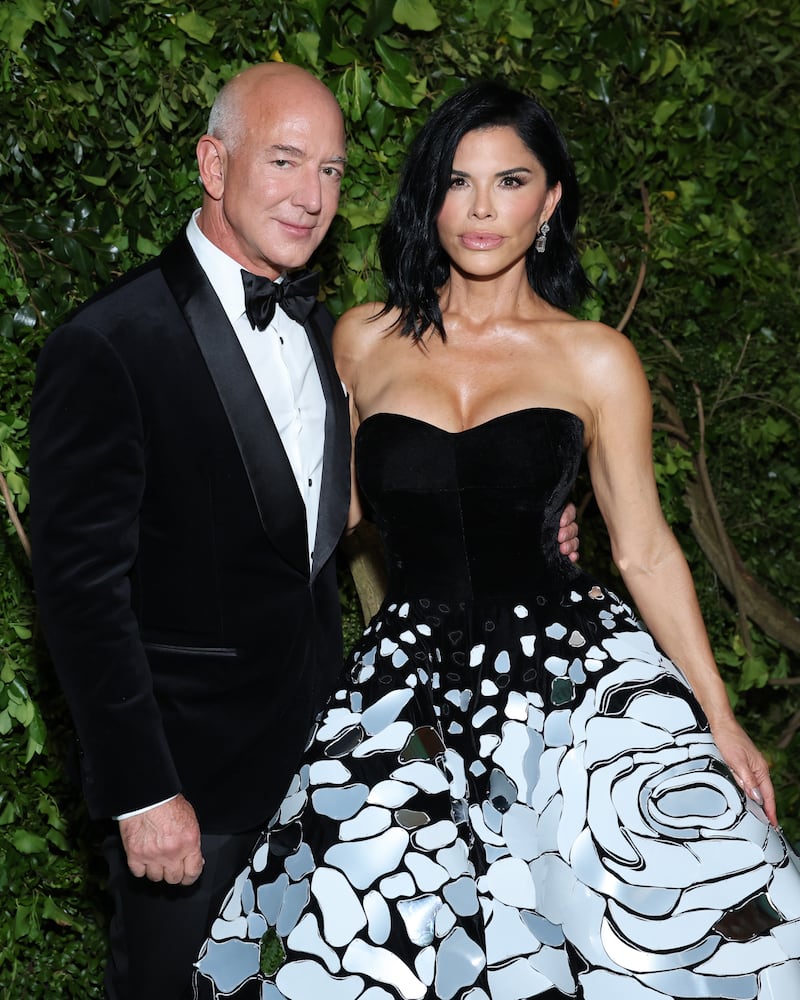
Fans are incensed at Anna Wintour's embrace of Lauren Sánchez and Jeff Bezos as the billionaires are selected as sponsors of the 2026 Met Gala.
Cindy Ord/MG24/Getty Images for The Met Museum/
“So tired of Anna. So tired of the rich thinking they can buy class and style,” one person wrote, “Billionaires buying everything and anything.”
Another compared the Bezos Met Gala buy-in to HBO’s The Gilded Age, in which new-money and old-money families compete for social status. “I like my gilded age on HBO not in real life 🤮,” they wrote.
Others directed the attacks more specifically at Wintour, who in years past had been outspoken about resisting MAGA. “Anna doesn’t stand for anything, which is why Vogue is so boring.” Added another, “Oh Anna. I held you in such high regard. Sigh.”
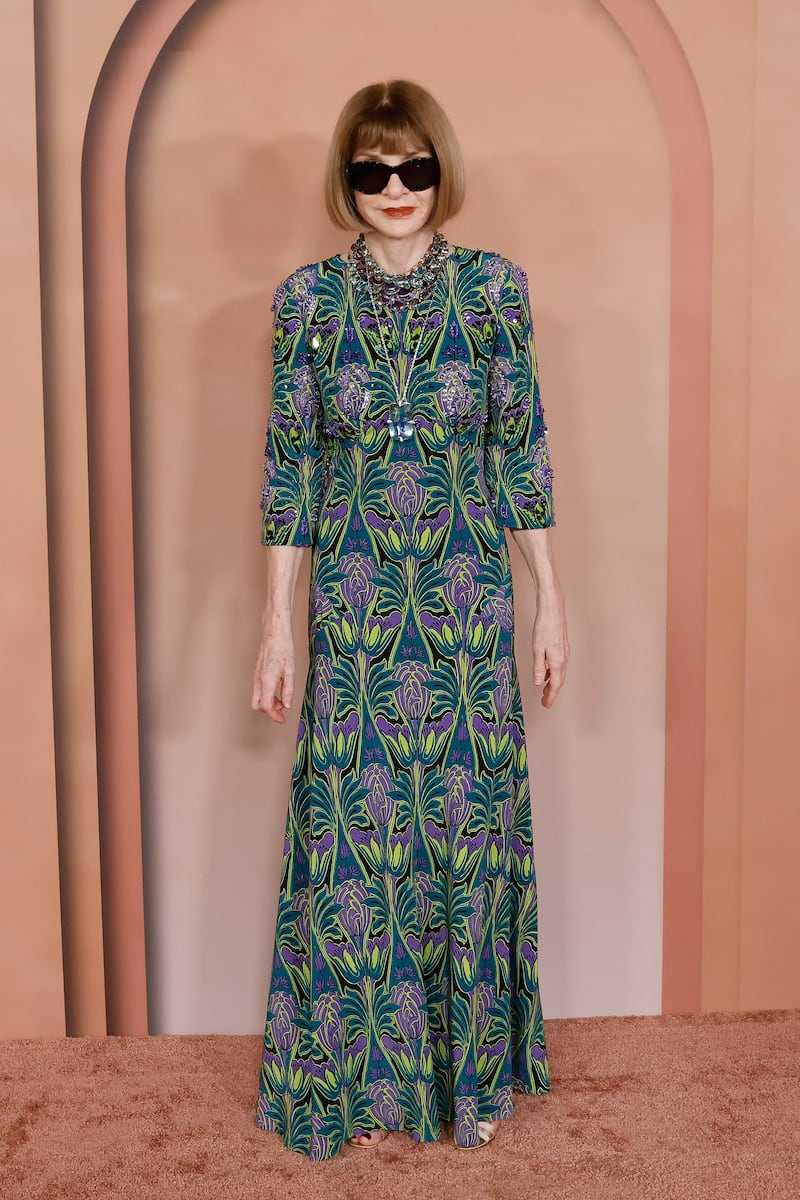
"We could all just...refuse to watch," wrote one fan who was not pleased by Wintour's Met Gala sponsor selection.
Taylor Hill/Getty Images
The Met Gala’s own Instagram post announcing the next year’s Gala theme didn’t fare much better. “Great theme,” wrote one user commented on the post, “However, stop platforming Jeff Bezos and Lauren Sánchez with art and fashion, two places that these two awful, unfettered capitalists will never belong in, no matter how much money they want to throw around to buy culture they have never cultivated and will never inhabit.”
Andrew Bolton, the curator in charge of the Costume Institute, said the theme aims to “privilege its materiality and the indivisible connection between our bodies and the clothes we wear,” rather than “prioritize fashion’s visuality, which often comes at the expense of the corporeal, ‘Costume Art’ privileges its materiality and the indivisible connection between our bodies and the clothes we wear.”
Get the best of Obsessed delivered right to your inbox
By clicking “SUBSCRIBE” you agree to our Terms of Use and Privacy Policy.
When Sánchez appeared on the cover of Vogue in June to promote the pair’s lavish and star-studded Venetian nuptials, much of the backlash was aimed at Vogue.com editor—now Wintour’s successor as U.S. editor-in-chief— Chloe Malle.
The move came as a surprise given Wintour’s status as a Democratic Party supporter and fundraiser, as well as her standoff with Melania Trump over the first lady’s desire to grace Vogue’s cover a second time. But as Condé Nast’s Chief Content Officer, Wintour remains in charge of the Gala, and maintains influence over who is selected to sponsor.
Sponsors of the Gala in previous years have been a mix of fashion houses and tech companies—like Instagram or TikTok, Gucci or Chanel. The anti-MAGA crowd is not pleased that Bezos and Sanchez’s sponsorship—and potential say in who gets a coveted invite—represents yet another grab at mainstream relevance for the political movement.
Wrote one commenter under Wintour’s interview, “You know guys, we could all just... Refuse to watch. Don’t partake, unfollow or block the pages on socials who will be shoving it in our faces. Stay out of their comment sections. Our attention is their currency.”

Got a tip? Send it to The Daily Beast here.
Register below to read this article for free or subscribe
to unlock unlimited access to The Daily Beast.
Monthly
$1
First month then $5.99/month
Annual
$35
First year then $59.99/year
Premium
$79
First year then $119.99/year
*Substack access provided by the next business day, using your subscription email. Choosing the Premium plan constitutes your permission to share your subscription email with Substack and your agreement to Substack’s Privacy Policy.
Already have an account? Sign In
Looks like you already have a subscription!
You're all set!
Thanks for subscribing.
Sign in or create an account
Login dialog
Loading comments…