
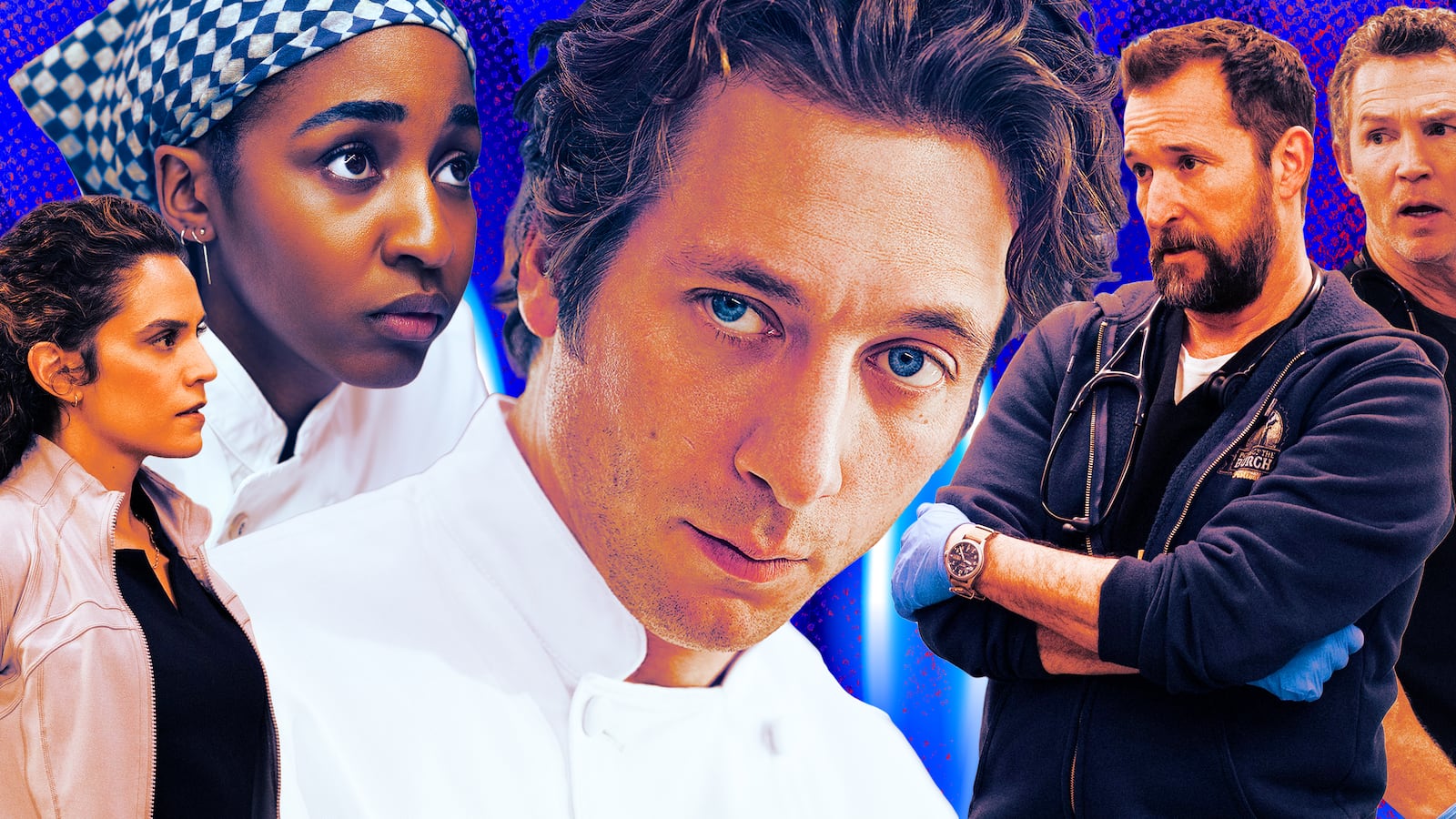
Every second counts.
That is something we have heard time and time again on The Bear. The fifth and final season stays true to that mantra with a run of episodes that ups the stakes by piling on problems over the course of a single day in the life of the eponymous restaurant.
By taking a page from The Pitt’s playbook, the FX dramedy not only sees signs of life return but is fully resurrected after a meandering special episode and middling fourth season. It turns out that the employees of The Bear can still cook up something special.
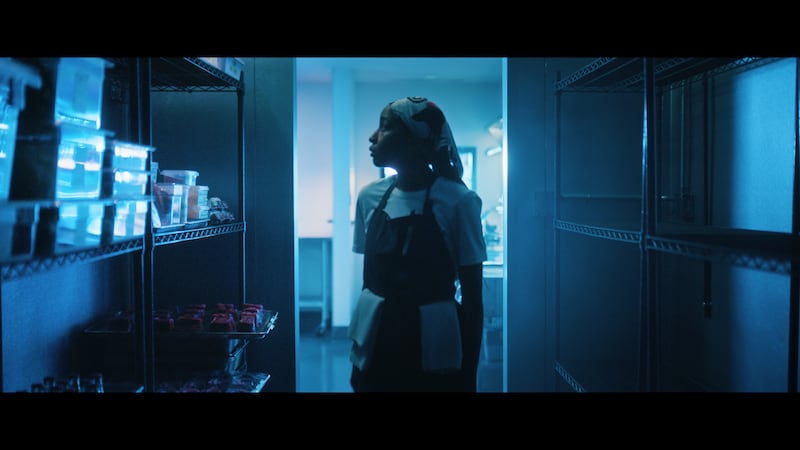
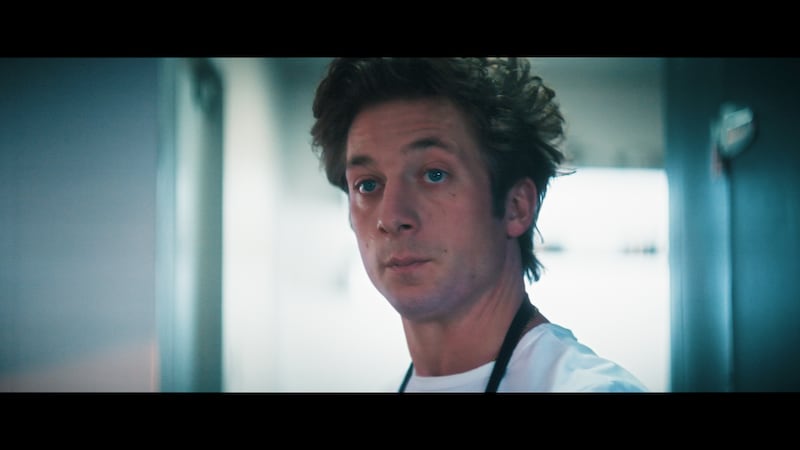
“Even though it sucked, it was the most fun I ever had,“ says Carmy (Jeremy Allen White) about this shift from hell in the series finale. While the dinner service is fraught, the latter part of his statement in the final episode, titled “The Original Beef of Chicagoland,” captures the experience of watching the culinary dramedy come to a close.
There is no denying that The Bear is an ambitious show. Its arrival in the summer of 2022 was met with overwhelmingly positive reviews and audience reactions alike. One of the boldest choices made by creator Christopher Storer in this debut outing is the taut episode “Review” that took frayed nerves to new heights. Told in a single continuous take (aside from the mood-setting opening), this episode set the bar for the high-pressure environment.
Certainly, it is not the first story set in a kitchen to use this format (the British short film, and then the four-part series Boiling Point from the team that went on to make Adolescence, came first), but it did signal confidence in portraying this environment. Storer went on to win an Emmy for directing this episode; Ayo Edebiri submitted “Review” and took home the Best Supporting Actress award.
While there is no repeat of this framing, The Bear regains its momentum by channeling another tried-and-tested format that has helped make HBO Max’s The Pitt a monster success.
Unlike The Pitt (or 24), a single episode doesn’t necessarily take place over one hour. There is no specific on-screen graphic indicating the exact time, but later in the season, as the restaurant approaches opening for an overbooked dinner service, you become keenly aware of it.
The beauty of TV is that we can spend a day with characters across an entire season, and it still feels electric, even if they are not the first to use this narrative device. In fact, here is a lesson in the right and wrong way to frame a story: the meandering standalone episode “Gary” is also set over one day, and while it was a single hour, it feels like a lifetime.
Last year, a clock counted down to when the money would run out. Despite the constant reminder that this business is on the verge of collapse, much of the penultimate offering felt listless. There were some standouts outside of the kitchen (the Sydney-focused “Worms” and Richie’s ex Tiffany’s wedding), but some of the magic got lost in the overall mix.
Strained relationships between Carmy, Sydney (Edebiri), and Richie (Ebon Moss-Bachrach) kept the trio at arm’s length for too long. They come together in the Season 4 finale, which plays out in real time (or thereabouts), and Carmy drops a bombshell that he is quitting the restaurant biz.

Imagining The Bear without a fried Carmy at the helm is akin to picturing The Pitt without Dr. Michael ‘Robby’ Robinavitch (Noah Wyle) spiraling. By setting the fifth season the morning after Carmy’s declaration —and him coming into work like nothing has happened to ease the transition—ensures there is wiggle room to address the elephant in the room and to transition into Sydney as the new head chef.
Plus, there are more immediate concerns, like torrential rain, burst pipes, limited food supplies, and a table reservation system that is down. Not to mention the lack of finances and Jimmy (Oliver Platt) scrambling to find a solution to a catastrophic investment. That is just the beginning.
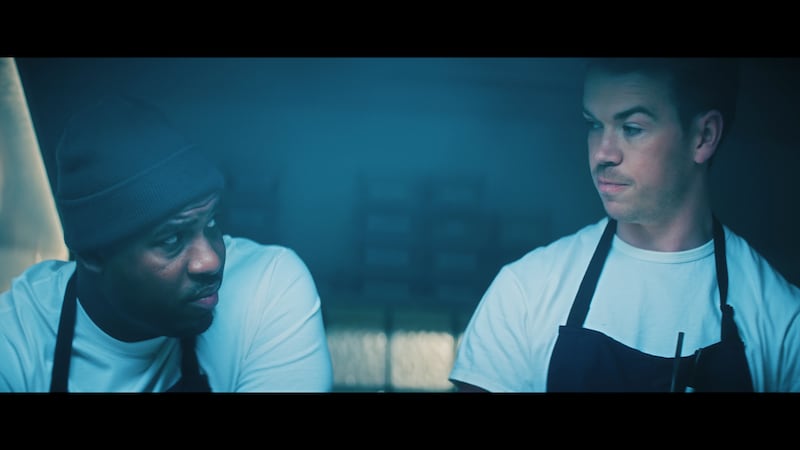
The Bear isn’t simply reheating The Pitt’s nachos, yet it does highlight why this single shift format is so effective at increasing the pressure on a workplace that is teetering on the edge. They share much of the same DNA beyond this format, particularly in exploring how COVID-19 affected the foundations of the healthcare and food industries. Much like The Pitt, the majority of this season’s scenes take place in one location, and the shared goal is to uphold high standards within the constraints and mounting obstacles.
At The Bear, they need to get through dinner service and the three turns (a record number for the restaurant) booked on a system that suddenly comes back online in Episode 3—mirroring the pre-order disaster in “Review” from Season 1. They are not saving lives, but this restaurant has been life-saving for many of these characters, and the goal continues to give the guests the kind of culinary experience they will never forget.
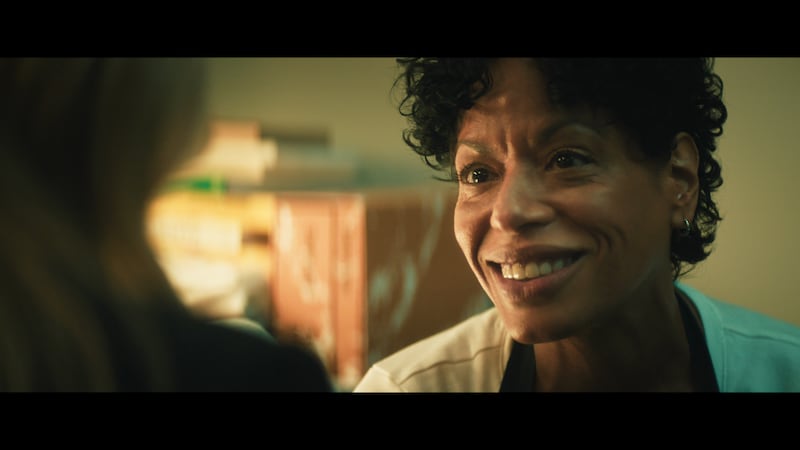
Part of the thrill of the first seven episodes is not knowing how they will get through the day. Power cuts, overwhelming anxiety, arguments, collapsing ceilings, and dropped food all contribute to the chaos—and to the enjoyment of watching it all unfold with this ensemble. Tina’s (Liza Colón-Zayas) reflections in the finale sum up that buzz: “We had less to work with, and it kept getting worse. But it was the best.”
That sense of achievement after the last table is cleared in the penultimate installment adds to the buzz. Rather than dash off home to bed, co-workers hang back to have a well-deserved beer (another shared element with The Pitt), which is made all the sweeter having watched the all-or-nothing shift play out across the majority of the season.

“The Original Beef of Chicagoland” offers a meditation on this experience—and the series as a whole—through Carmy’s beautiful, scattered monologue. In what turns out to be an interview for an internship at an architectural firm, he waxes lyrical on the importance of community in this challenging environment and on how they achieved success against all odds. It is earnest and sentimental, and I ate up every word (even if it probably is a misguided overshare in an interview).
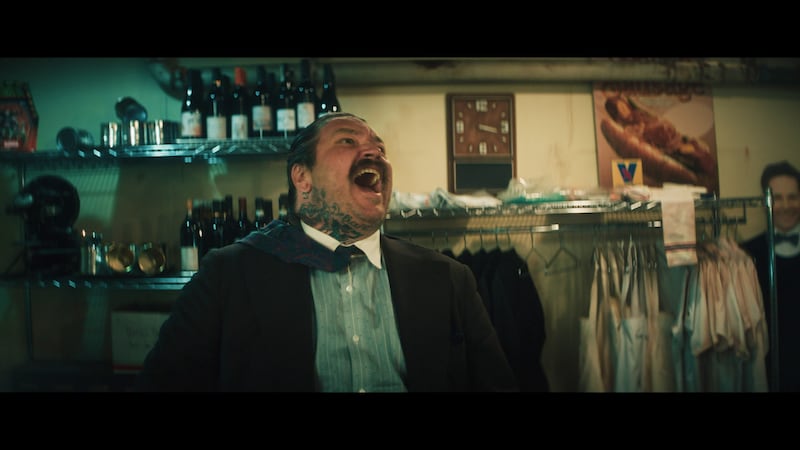
“This service, everybody cared so much,” Carmy says. “Everybody tried so hard, and everybody loved so much, it didn’t feel like one person trying to survive. It felt like a group of people supporting each other, trying to lift each other up.”
Whether in a hospital or restaurant, there is no better recipe for success.