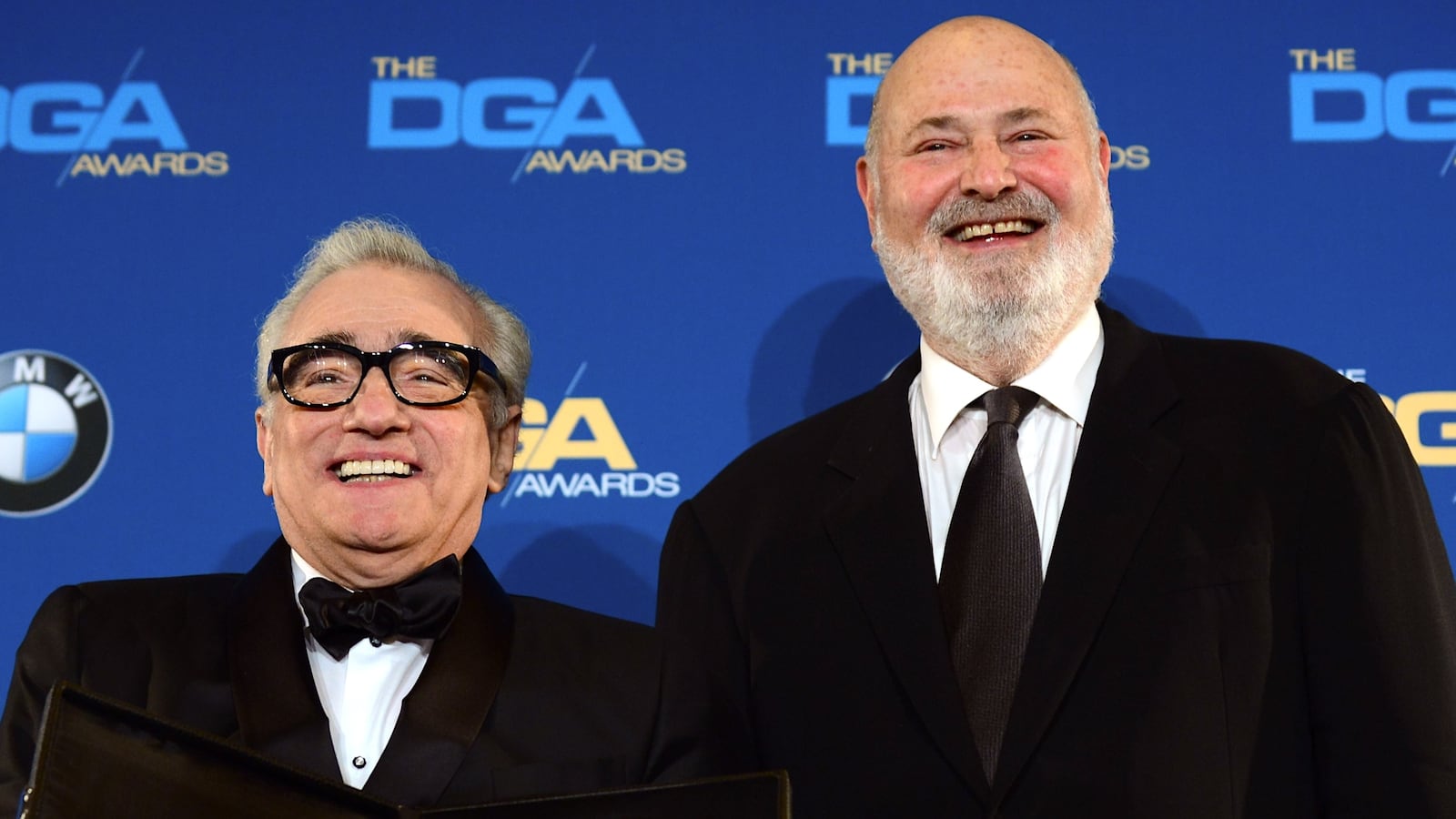
Martin Scorsese paid tribute to Rob Reiner in a Christmas Day essay, tracing their decades-long friendship, naming his favorite Reiner film, and recalling their collaboration on The Wolf of Wall Street.
“Rob Reiner was my friend, and so was Michele,” the 83-year-old Oscar winner wrote in The New York Times. “From now on, I’ll have to use the past tense, and that fills me with such profound sadness. But there’s no other choice.”

Reiner, 78, and his wife, Michele, 70, were killed in their California home on Dec. 14. Their son, Nick Reiner, 32, has been charged with their murders.
Scorsese traced his first meeting with Reiner to the early 1970s, when he began frequenting get-togethers with actors and comedians hosted by actor George Memmoli.
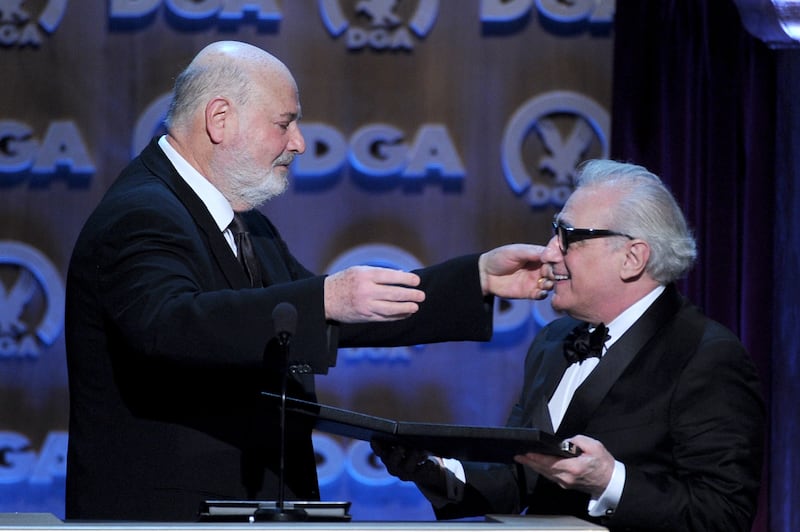
“Right away, I loved hanging out with Rob,” Scorsese wrote. “We had a natural affinity for each other. He was hilarious and sometimes bitingly funny, but he was never the kind of guy who would take over the room.”
“He had a beautiful sense of uninhibited freedom, fully enjoying the life of the moment, and he had a great barreling laugh,” Scorsese continued.
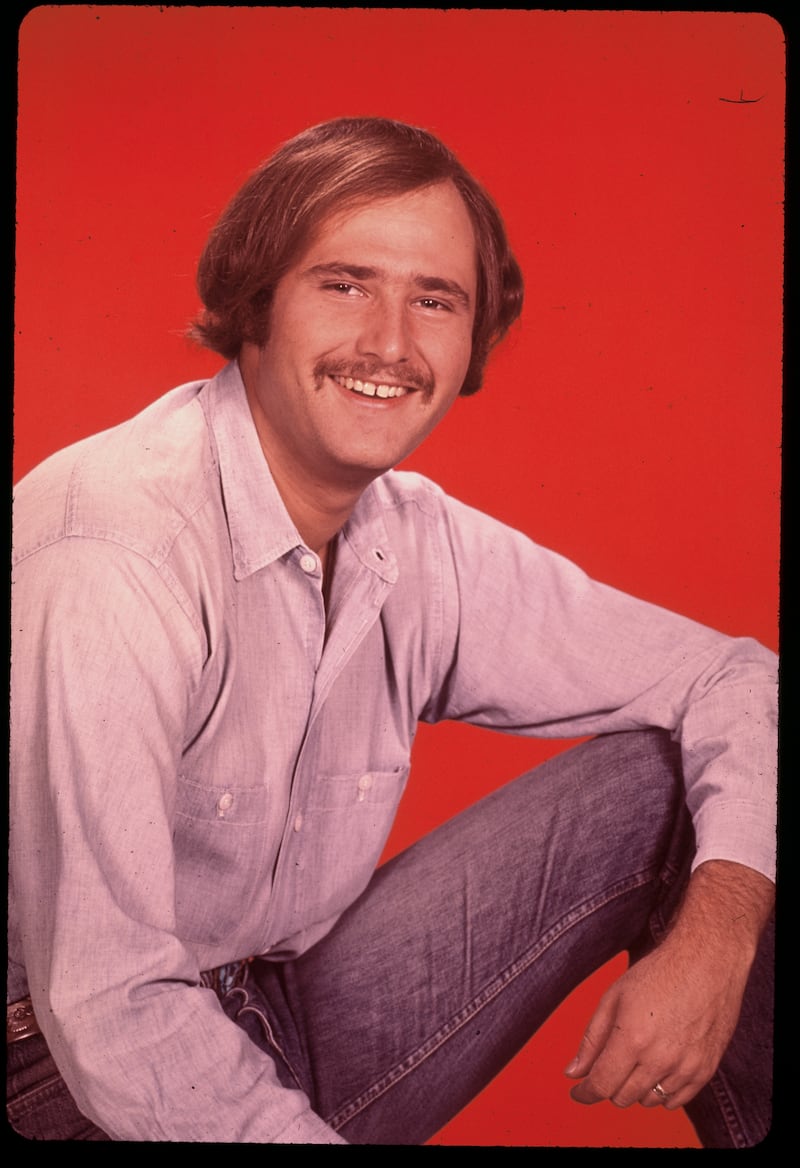
The Taxi Driver director noted their shared New York City roots, writing, “Rob and I were both Eastern transplants, in a way.”
Scorsese singled out the 1990 psychological thriller Misery as his favorite among Reiner’s films, while offering high praise for 1984’s This Is Spinal Tap.
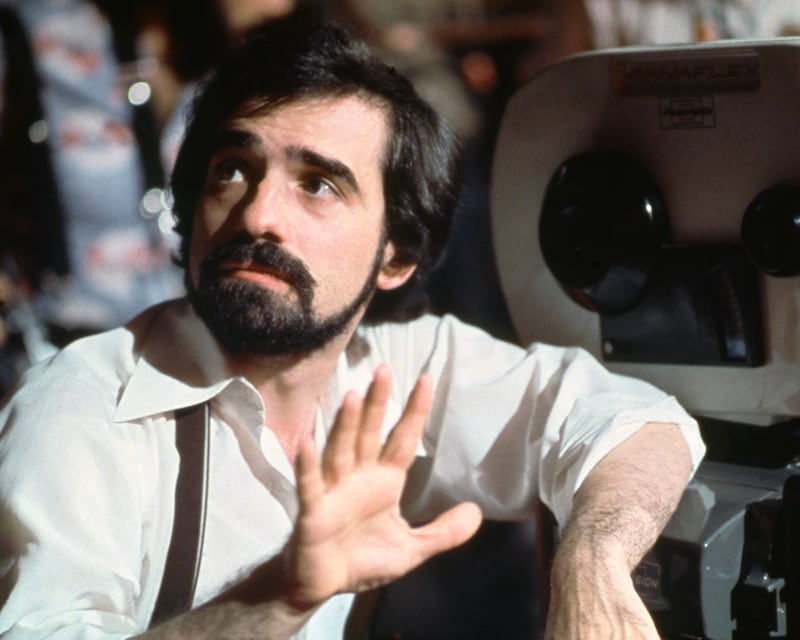
“Somehow, that picture is in a class of its own,” Scorsese wrote. “It’s a kind of immaculate creation. And a big part of the greatness of that film is Rob himself, as director and as actor.”
Reiner famously based Marty DiBergi, the documentarian he portrayed in both This Is Spinal Tap and its September sequel, Spinal Tap II: The End Continues, on Scorsese.
Scorsese said that when casting his 2013 film The Wolf of Wall Street, which follows a stockbroker’s rise before his empire unravels, Reiner was an obvious choice to play the father of Leonardo DiCaprio’s character.
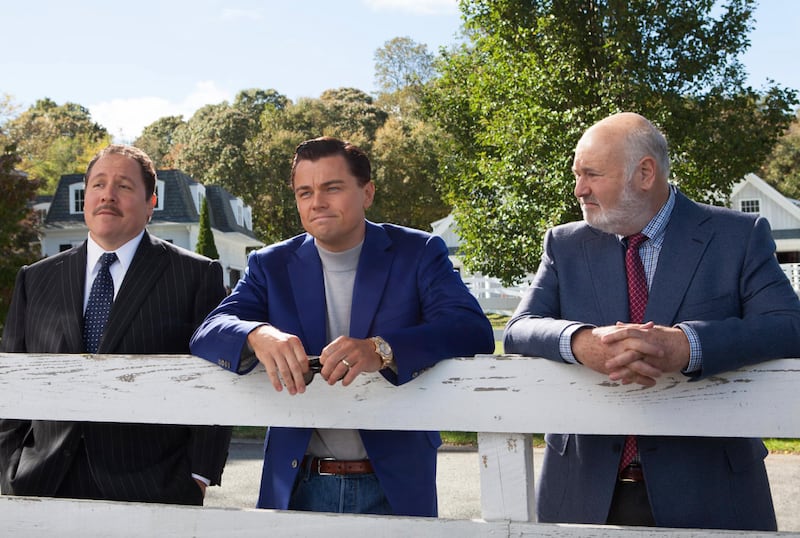
“[Rob] could improvise with the best, he was a master at comedy, he worked beautifully with Leo and the rest of the guys, and he understood the human predicament of his character: The man loved his son, he was happy with his success, but he knew that he was destined for a fall,” Scorsese wrote.
He highlighted Reiner’s performance in a scene when DiCaprio’s character wrestles with whether to walk away from his high-flying career in fraud.
“The look on Rob’s face, as he realizes that Leo is hesitating and that he ultimately won’t stop, is so eloquent,” Scorsese wrote. “‘You got all the money in the world,’ he says. ‘You need everybody else’s money?’ A loving father, mystified by his son. I was moved by the delicacy and openness of his performance when we shot it, moved once again as we brought the scene together in the edit, and moved as I watched the finished picture. Now, it breaks my heart to even think of the tenderness of Rob’s performance in this and other scenes.”
Calling the Reiners’ fates “an obscenity, an abyss in lived reality” and saying that only the “passing of time” would allow him to accept what happened, Scorsese ended his essay expressing hope that he might one day sit next to Reiner at a dinner again.
“I have to be allowed to imagine them alive and well… and that one day, I’ll be at a dinner or a party and find myself seated next to Rob, and I’ll hear his laugh and see his beatific face and laugh at his stories and relish his natural comic timing, and feel lucky all over again to have him as a friend.”