
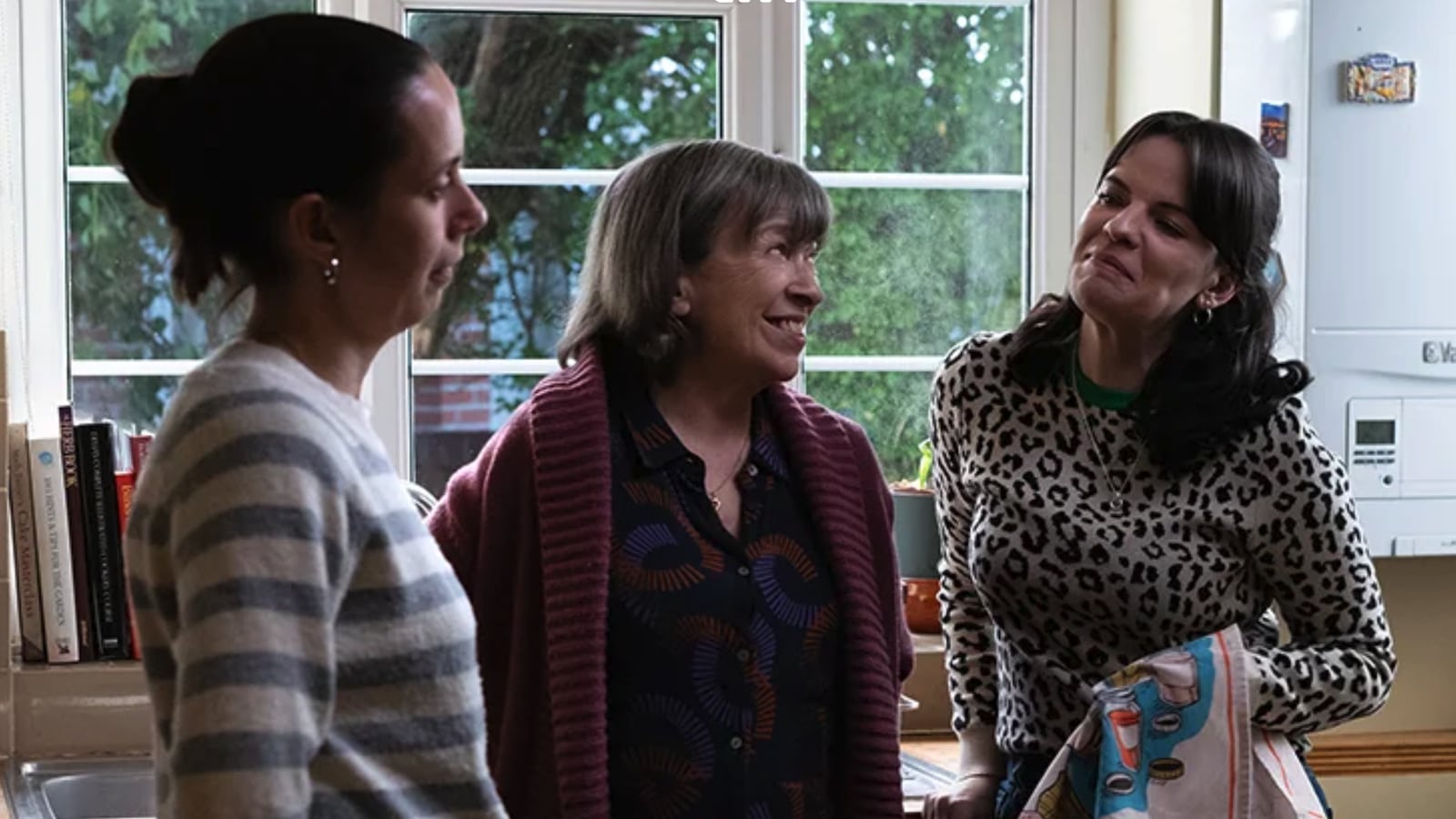
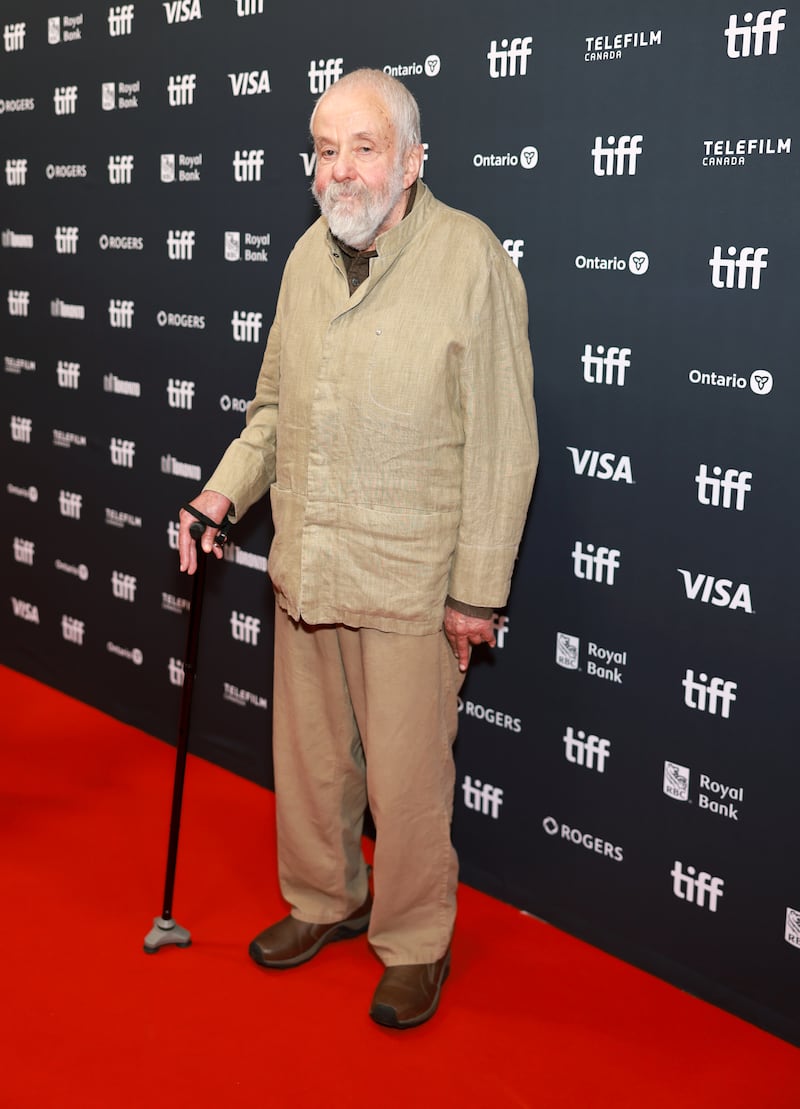
After a 55-year big-screen career that includes a murderer’s row line-up of profound dramas (Naked, Secrets & Lies, Mr. Turner, Hard Truths) and nary a substantial misstep, 83-year-old British auteur Mike Leigh claims that, with Tender Loving Care, he’s likely hanging it up for good.
If that’s the case, he goes out on a tremendous high, as the writer/director’s sixteenth feature is as great as anything he’s ever produced—a small-scale domestic drama that reverberates loudly, and urgently, as a celebration of everyday compassion and solidarity.

Screening at the Toronto International Film Festival and co-starring Widow’s Bay breakout Kate O’Flynn, Tender Loving Care is the story of two women and one older couple, all of whom are attempting to navigate perilous moments in their run-of-the-mill lives.
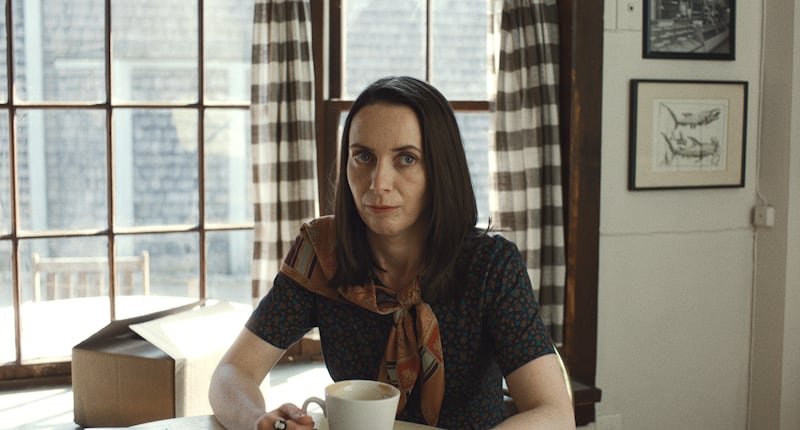
Amy (O’Flynn) is a social services worker who checks in on children in peril and adults in the midst of potential crises, and the patience, positivity, and steadfastness with which she treats her cases reflect her indefatigable personality. Nonetheless, soldiering on with a brave face and upbeat attitude isn’t always possible, and beneath her generous advice and joking, a host of tumultuous emotions are subtly visible.
At the start of Tender Loving Care, Amy moves back in with her best friend Rosie (Alice Bailey Johnson), the result of having split with a long-term boyfriend who’s chosen to reconnect with his ex-wife. This isn’t tragic news—Amy clearly didn’t adore him, and Rosie seems to have liked him less—but for the 39-year-old, it’s nonetheless another relationship flop that begets a mixture of fear (of never finding Mr. Right), anger (over his abandonment), and shame (born from feeling and looking like an undesirable failure).
Not that any of this is intensely discussed; rather, Flynn, in a superlative turn, delicately conveys it all in the brief instances when she’s not goofing off with Rosie, who’s also a social worker contending with hostile assignments and a tepid romantic life.

Both together and apart, Amy and Rosie come across as genuine Brits coping with familiar ups and downs, and that additionally applies to Amy’s parents, Birdie (Marion Bailey) and Geoff (Paul Jesson), whom she routinely visits. Birdie and Geoff’s rapport is as warm and comfortable as a well-worn winter coat, and the success of their nearly half-century marriage is both inspiring to Amy and a goal she feels bad about not achieving.
For her mom and dad, though, the only thing that matters is their daughter’s happiness, and she knows it, which is why she initially avoids telling them about her break-up—a deception by omission that spares them disappointment and worry, and spares her the burden of those concerns.
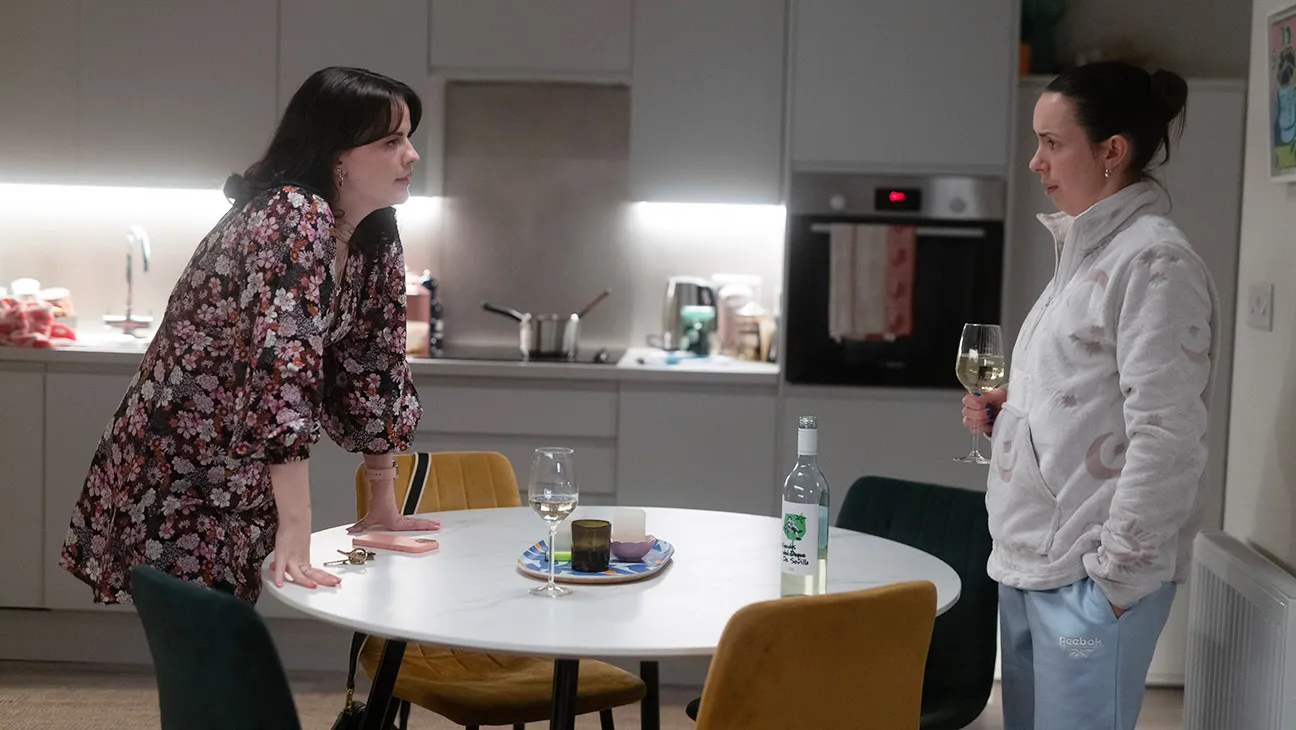
Except for an occasional xylophone refrain, Tender Loving Care unfolds without soundtrack accompaniment and with Leigh’s typically unshowy direction. Faces and spaces matter most to the filmmaker, and he lingers in the latter to consider his characters’ quietly turbulent plights with empathy. Whether it’s a prolonged scene in a bedroom where a doctor examines a patient or an impromptu boozy dance party in a kitchen, the proceedings are doggedly modest. Yet by spending time by his characters’ sides, Leigh captures the profound weightiness of their anxieties and sorrows as well as the invigorating power of their kindness and camaraderie.
Tender Loving Care is uniformly understated but hits one piercing note after another. After learning that Amy is single again, Geoff tells her the most important thing is having a partner who makes you laugh, and the giggles he shares with Birdie are a moving testament to that.
At the home of a woman who’s fighting to regain custody of her son (in the wake of having previously had her twins taken from her), Amy suffers slings and arrows that—when they touch upon her non-motherhood—cut like a knife, even though she can’t let it show. And sitting with a friend who’s just buried her husband and laments the mistakes she made with her son, Birdie strives to provide support by both addressing and talking around those issues—marking her as a kindred spirit to Amy and Rosie.
Leigh’s touch has never been gentler, and Tender Loving Care’s bookending images of an old man’s vacant stare speak to not only this individual’s crushing loneliness and longing but to the attendant need for affection and mercy in a world that so frequently denies it to us.
Working from his own script, the director never italicizes, determined to let his routine action (and his actors’ countenances) do the emphasizing for him, and that approach reaps enormous dividends as the film segues from the realm of the moderately sad to the discreetly heartbreaking.
Tender Loving Care knows how people tick: the way they flippantly evade discussing grave troubles; stifle terror behind superficial smiles; and manage hardships with cups of tea and, sometimes, slightly harder stuff. One can feel Leigh grappling with his mortality in Birdie and Geoff’s passages, lending the bittersweet material an unavoidable autobiographical (or, at least, highly personal) edge. Nonetheless, because the film’s focus is weighted toward Birdie rather than her spouse, Leigh’s drama is as much imagination as transcription, underscoring his tale’s portrait of the value of walking in others’ shoes or, at least, being a shoulder to lean on.

All four of Leigh’s leads are so outstanding that it’s unfair to single them out; between Flynn’s resolute cheer and nagging doubts, Johnson’s persistence and frustration, Jesson’s warmth and playfulness, and Bailey’s multifaceted dread and staunch reliability, his cast imbues Tender Loving Care with a complexity and authenticity that few theatrical affairs can match. It’s kitchen-sink realism of the most touching order, and it culminates in two closing shots so gorgeously composed and filled with relatable anguish that they resound as a plea for humaneness.
Through Geoff’s late mutterings about “swans,” Leigh appears to signal to audiences that he intends Tender Loving Care to be his swan song. Should he follow through on retirement, it will be a massive loss for the movies. Yet one can take solace in the fact that his oeuvre, frequently fixated on the universal travails and moral dilemmas of ordinary men and women, is timeless.